Among the countless herbal supplements available today, few have achieved the legendary status of Ginseng. Revered for thousands of years and used across cultures for its supposed life-enhancing powers, Ginseng continues to be one of the most sought-after natural remedies for boosting vitality, improving mental focus, and supporting overall well-being.
But what exactly makes Ginseng so special? How does it work, and how can you make sure you’re using it effectively? Let’s explore this fascinating root — from its ancient origins to its modern-day uses in medicine, food, and health supplements.
A Root with a Legendary Past
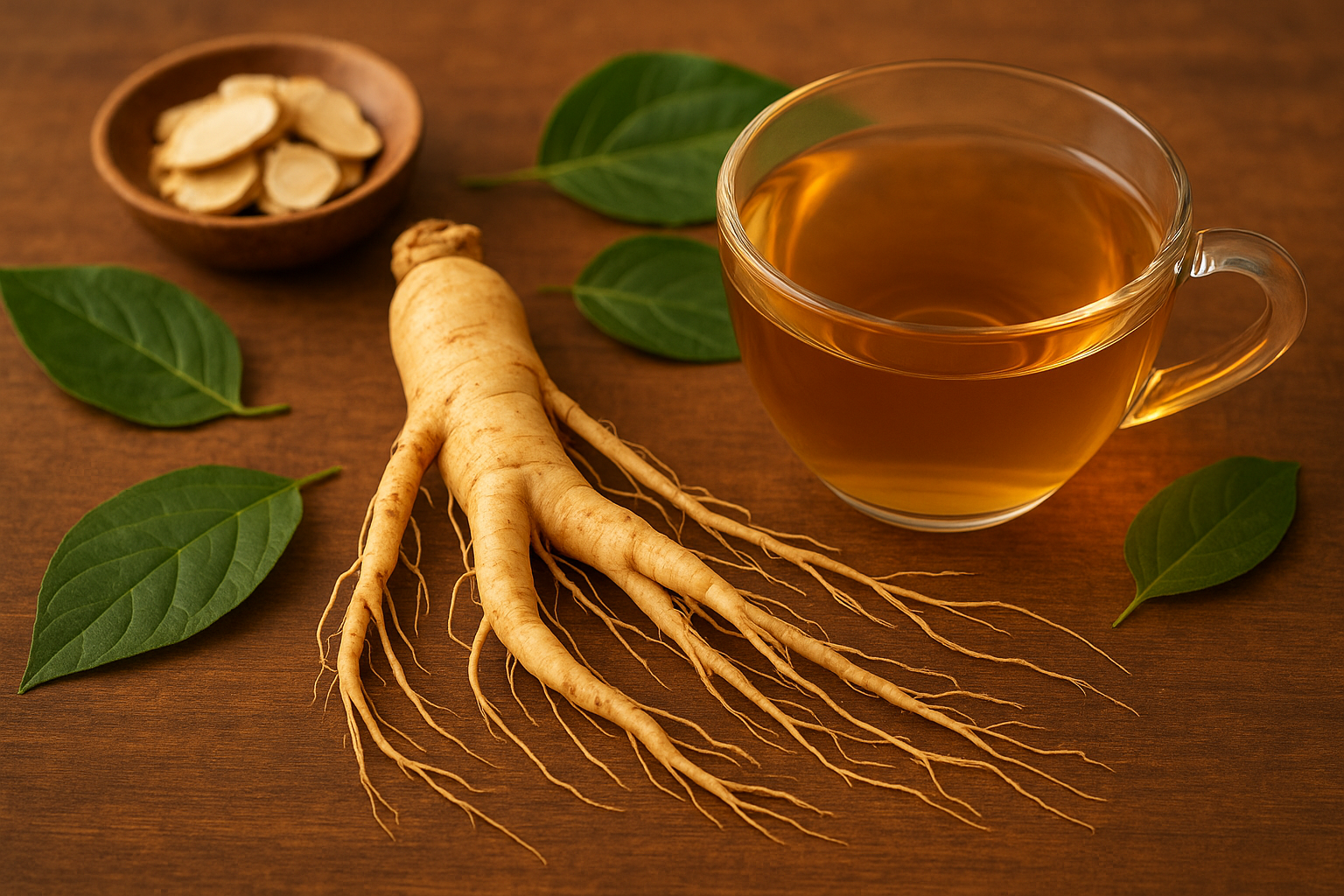
The word Ginseng originates from the Chinese term rénshēn (人参), meaning “man root.” The name comes from the root’s distinctive shape, which resembles the human body — complete with arms and legs. Ancient healers believed this resemblance was no coincidence. According to Traditional Chinese Medicine (TCM), plants that mirrored specific body parts were believed to heal those corresponding areas. Because Ginseng resembled the human form as a whole, it was thought to restore harmony and vitality throughout the entire body.
Ginseng’s use dates back more than 5,000 years, with early references found in Chinese medical texts. It was regarded as a powerful tonic — a source of energy, balance, and spiritual strength. For centuries, only emperors and nobles had access to wild Ginseng, as it was considered more precious than gold.
Today, Ginseng continues to play a central role in Eastern medicine and has become a staple of herbal supplements worldwide.
Types of Ginseng and Their Differences
Although all Ginseng varieties share similar active compounds called ginsenosides, their effects can vary depending on the species and preparation method.
- Asian Ginseng (Panax ginseng):
Native to Korea and China, this is the most studied and commonly used type. It’s known for its stimulating effects, helping to boost physical endurance, mental clarity, and immune response. - American Ginseng (Panax quinquefolius):
Grown primarily in the United States and Canada, American Ginseng tends to have a calming effect on the nervous system, making it ideal for reducing stress and promoting relaxation. - Siberian Ginseng (Eleutherococcus senticosus):
Despite its name, this plant isn’t a true Ginseng. However, it shares similar properties, particularly in boosting energy and immune function. Siberian Ginseng became widely used after Soviet scientists discovered its benefits for athletes and soldiers during the Cold War. - Red Ginseng:
This is a processed form of Panax Ginseng that has been steamed and dried. The process increases its potency, making it more effective for enhancing stamina and fighting fatigue.
The Science Behind Ginseng’s Power
Modern research has revealed that Ginseng contains a rich combination of ginsenosides, antioxidants, and complex carbohydrates that contribute to its numerous health benefits. These active compounds influence the body in several ways:
- Boosting Energy and Reducing Fatigue:
Ginseng helps enhance the body’s ability to produce and use energy more efficiently. It reduces oxidative stress and improves the function of the adrenal glands, which regulate stress and energy metabolism. - Supporting Brain Function:
Studies suggest that Ginseng may improve mental clarity, concentration, and memory. It supports the production of neurotransmitters like dopamine and serotonin, which influence mood and focus. - Enhancing the Immune System:
Ginseng has immune-modulating properties that help the body resist infections. It stimulates immune cells, improving the body’s defense against viruses and bacteria. - Balancing Blood Sugar Levels:
Research indicates that Ginseng can improve insulin sensitivity and lower blood sugar levels, making it a helpful supplement for people managing diabetes or pre-diabetes. - Protecting Against Inflammation and Cancer:
Thanks to its potent antioxidant compounds, Ginseng helps reduce chronic inflammation. Some studies have shown that ginsenosides may slow the growth of certain cancer cells. - Improving Sexual Health:
Ginseng has long been used as a natural aphrodisiac. It may enhance libido, improve sperm quality in men, and help with symptoms of erectile dysfunction.
How Different Cultures Use Ginseng
Ginseng’s reputation as a life-enhancing herb spans many civilizations:
- In China and Korea, Ginseng is considered a symbol of longevity and strength. It’s used to restore “Qi” — the body’s vital life force — and is included in countless herbal formulations.
- In Russia, researchers in the mid-20th century investigated Ginseng’s effects on physical endurance, leading to its use among athletes, soldiers, and cosmonauts.
- In North America, Native American tribes used American Ginseng as a remedy for headaches, fever, and indigestion long before it became a global commodity.
Modern Uses: From Teas to Energy Drinks
Walk into any health store or supermarket today, and you’re likely to find Ginseng in a wide range of products — from capsules and powders to teas and energy drinks.
- Ginseng Tea: One of the most traditional ways to consume it, this tea offers a mild, earthy flavor with subtle sweetness. Drinking it regularly may help increase alertness and relieve fatigue.
- Energy Drinks: Many modern brands include Ginseng extract for its energizing and performance-enhancing effects. However, be cautious — some of these drinks are loaded with sugar and caffeine, which can offset Ginseng’s natural benefits.
- Culinary Uses: Ginseng isn’t just for supplements. It’s widely used in Asian cuisine, particularly in soups, stews, and teas. In Korean cooking, for instance, Ginseng is often combined with chicken to make samgyetang — a nutritious ginseng chicken soup believed to restore strength and vitality. It’s also added to rice dishes, stir-fries, and even desserts for an exotic twist.
Safety, Side Effects, and Proper Usage
Although Ginseng is a natural herb, it’s not suitable for everyone. People with certain medical conditions should use it cautiously or consult their physician first.
Who should avoid Ginseng or use it with care:
- Individuals with high blood pressure or heart disease
- Those with bleeding disorders or who are taking blood-thinning medications
- Diabetic patients on insulin or other glucose-lowering drugs
- Pregnant or breastfeeding women
Possible side effects may include insomnia, headaches, digestive upset, or nervousness, especially when taken in large amounts or combined with caffeine.
To maximize safety and benefits, use authentic, high-quality Ginseng. Unfortunately, many commercial supplements are over-processed or diluted, which reduces their effectiveness. The best option is to purchase whole Ginseng root from reputable sources, ensuring purity and potency.
Choosing and Storing Ginseng
When selecting Ginseng, pay attention to these details:
- Origin: Korean and American Ginseng roots are among the most reliable and potent.
- Form: Whole dried roots retain more active compounds than powders or tablets.
- Color: Red Ginseng has undergone a steaming process, enhancing its strength and stability.
- Storage: Keep it in a cool, dry place away from direct sunlight. Once cut, store it in an airtight container or refrigerate it.
The Future of Ginseng Research
Ginseng remains one of the most extensively studied medicinal plants in the world. Ongoing research aims to better understand its effects on chronic diseases, brain aging, immune function, and even cancer prevention. Scientists are also exploring nanotechnology to enhance the bioavailability of ginsenosides, making supplements more effective and fast acting.
Despite these promising findings, the U.S. Food and Drug Administration (FDA) has not officially approved Ginseng for treating any specific condition. Still, it continues to attract global attention as a safe and beneficial addition to a healthy lifestyle when used responsibly.
Conclusion
Ginseng’s enduring popularity is no accident. From ancient Chinese emperors to modern-day health enthusiasts, people have long turned to this “man root” to enhance energy, mental sharpness, and overall vitality. Whether enjoyed as tea, added to a meal, or taken as a supplement, Ginseng offers a powerful way to reconnect with nature’s wisdom — supporting both body and mind in balance.
If you choose to make Ginseng part of your wellness routine, always select high-quality sources and consult your healthcare provider if you have existing medical conditions. Used properly, this remarkable root can help unlock your body’s natural potential for strength, endurance, and long-term health.
Sources
- National Center for Complementary and Integrative Health (NCCIH)
- Journal of Ginseng Research
- Mayo Clinic
- WebMD – Ginseng Overview
- Traditional Chinese Medicine Texts on Panax Ginseng
- American Herbal Products Association