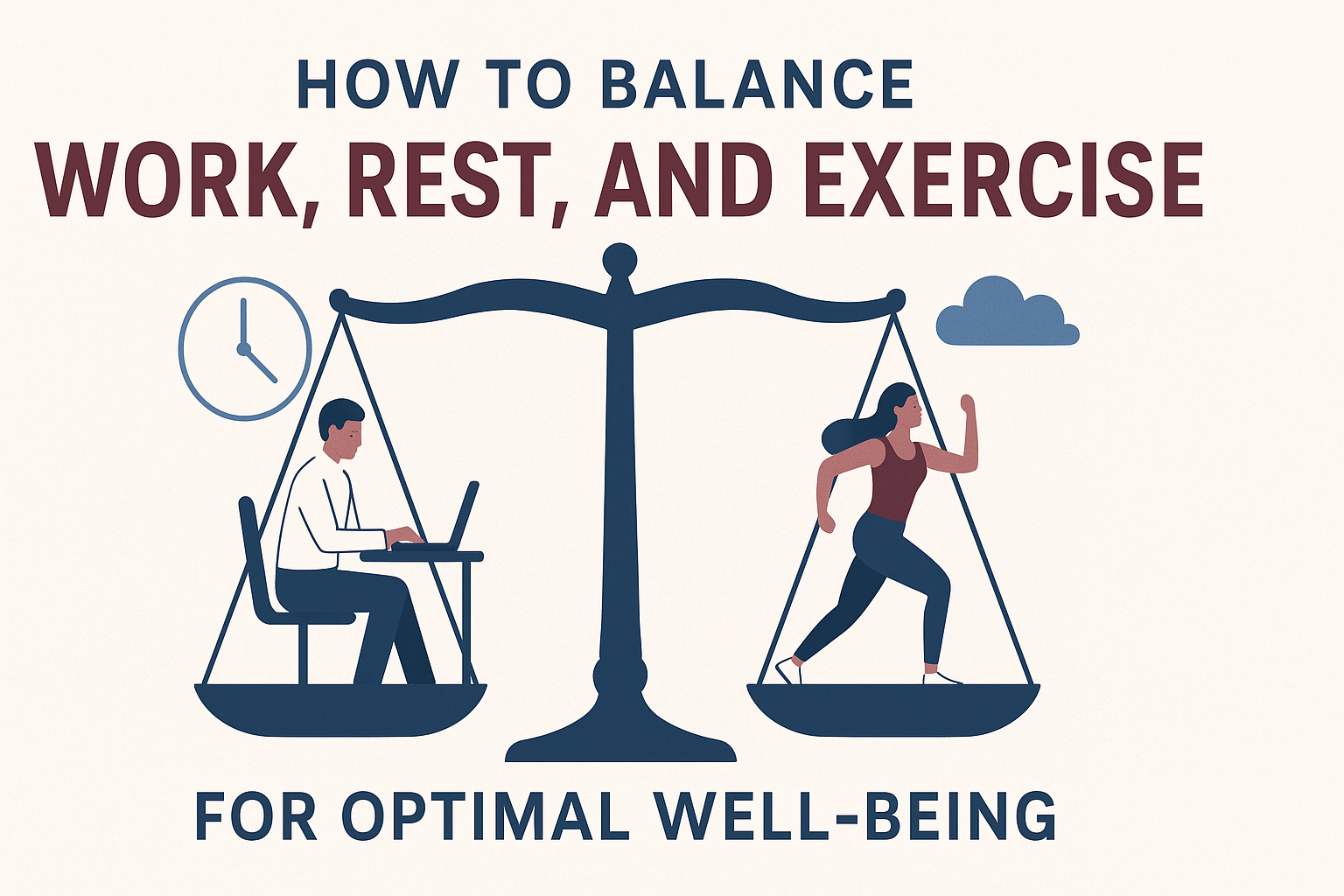
In a world where the demands of work are ever-increasing, and life’s pace seems to only accelerate, achieving a genuine balance between work, rest, and exercise is more important than ever. This balance is not simply a matter of dividing time equally among these domains, but rather integrating them in a harmonious, sustainable way that promotes long-term physical, mental, and emotional well-being. This article explores why this balance matters, outlines practical strategies, and provides a roadmap to build a lifestyle where work, rest, and exercise support one another rather than compete.
Why Balance Matters
Work – the unavoidable core
Work occupies a large portion of adult life. For many, it is not only a means of income but also a source of identity, purpose, and social connection. But when work dominates without regard for rest or movement, it can become a stressor. High job demands and insufficient recovery are linked to poor sleep, burnout, and reduced overall health.
Rest – the essential recovery
Rest is not merely the absence of activity: it includes quality sleep, breaks and recovery periods, mental downtime, and leaving space to recharge. Without adequate rest, the body and mind cannot rebuild, process experiences, or restore resilience. For example, research shows work breaks play a vital role in well-being and performance among knowledge workers.
Exercise – the active contributor to well-being
Regular physical activity does far more than build muscle or burn calories. It enhances mood, cognitive clarity, reduces the risk of chronic disease, and supports psychological resilience. Importantly, exercises done consistently can protect against burnout and improve productivity.
When these three—work, rest, exercise—are aligned, the result is not just surviving but thriving: better performance at work, higher quality of life at home, improved health and mood, and stronger capacity to handle life’s stressors.
The Three-Part Framework for Balance
To create meaningful balance, you can frame your approach around three interlocking parts: structure your work, schedule rest & recovery intentionally, and integrate exercise purposefully. Let’s explore each.
1. Structure Your Work Smartly
Set boundaries and realistic goals.
- Identify your core work hours and stick to them as much as possible. Delineating start and stop times helps prevent spillover into personal time.
- Prioritize tasks: focus on what moves the needle rather than being busy for busyness’s sake.
- Embrace “good enough” when perfectionism becomes counterproductive.
Make breaks an integral part of the flow.
- Short mini breaks (5-10 minutes) every 60-90 minutes help clear the mind, re-energize attention, and reduce fatigue. Studies of work breaks show real benefits for well-being and performance.
- Use these breaks to move, stretch, breathe, or simply look away from screens.
Foster flexibility where possible.
- If you have control over your schedule, consider structuring high-focus work periods when you are most alert, and lighter admin tasks when your energy dips.
- Some organizations have found that workplace exercise or movement breaks contribute to less stress and greater job satisfaction.
2. Prioritize Rest & Recovery
Sleep quality is foundational.
- Most adults benefit from 7–9 hours of sleep per night; this is when the body repairs, the mind processes, and emotional regulation resets.
- Poor sleep is strongly associated with higher work stress and lower well-being.
- Good habits: fixed sleep and wake times, cool/quiet dark environment, avoiding stimulants and screens before bed.
Active downtime matters.
- Recovery doesn’t mean lying inert all day—it often means light movement, hobbies, socializing, gentle stretching, or simply stepping away from work mentally.
- Exercise physiologists emphasize that fitness gains derive during rest and recovery, not just during the workout itself.
Take real breaks from work when possible.
- Weekends, vacations, or even a long evening away from work emails all contribute to resetting mental and emotional energy.
- Cultivating non-work interests and social connection supports emotional recovery, which is as important as physical rest.
3. Integrate Exercise with Purpose
Choose meaningful and varied movement.
- The health benefits of exercise are broad: lower risk of major disease, improved mood, sharper cognitive performance.
- A mix of cardio (walking, running, cycling), strength training, mobility/stretching, and recreational physical activity gives well-rounded benefits.
Link exercise to your work and rest rhythms.
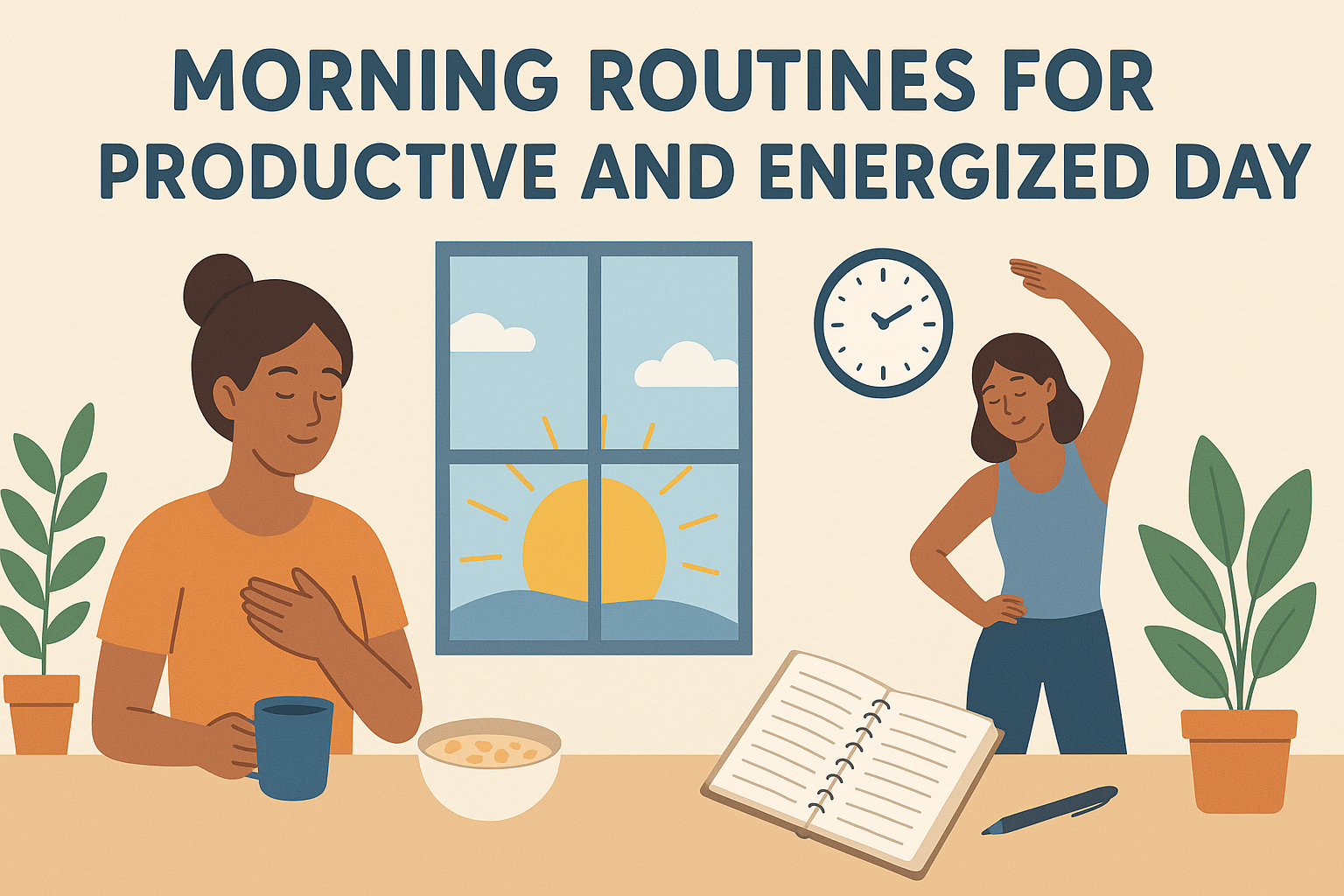
- Exercise can serve as a transition: for example, a morning workout to energize you for the day, or a light walk after work to detach.
- Movement can help you recover from cognitive work: studies show that more steps during the workday correlate with higher energy at day-end, more effective recovery from work, and more presence at home.
- Avoid very intense workouts right before bed, which may disrupt sleep; opt instead for gentle mobility, stretches or breathing exercises.
Listen to your body.
- While pushing yourself is good, overtraining without sufficient rest undermines well-being. Exercise physiologists emphasise that balancing exercise with recovery is key.
- If you’re feeling constantly fatigued, experiencing disrupted sleep, or your mood is off, check your workload, movement load and recovery cycles.
Putting It All Together: A Sample Weekly Flow
Here’s how you might structure a typical week to integrate all three domains. Feel free to adjust timing, intensity and rest days based on your individual situation and culture (especially mindful of time-zones, commuting, family obligations).
Monday to Friday (Workdays):
- Morning: 20–30 min light to moderate exercise (e.g., brisk walk, bodyweight workout) → sets an energetic tone.
- Work block: Focused work for ~90 min → then 5-10 min movement/break. Repeat.
- Mid-day: Lunch break — include a short walk or stretching.
- Afternoon: Final push; aims are realistic not maximal.
- Post-work: Transition – walk or light movement, then dinner.
- Evening: Wind down: restful activity (reading, calm hobby), fixed bedtime to ensure 7–9 h sleep.
Weekend or rest day:
- One day may include moderate to higher-intensity workout or active social/leisure activity (hike, sport, cycling).
- Another day could be a complete rest or active recovery (gentle yoga, stretching, recreational walking).
- Focus on hobbies, social time, recovery mindset—this is your recharge.
Throughout the week:
- Insert micro-breaks during work: stand up, stretch, walk 2–3 minutes every 60-90 minutes.
- Use movement as mental break: walking meetings, standing work breaks, stairs rather than elevator.
- Monitor for signs of strain: fatigue, irritability, poor sleep, hovering over work even when off the clock. These signal the need to adjust.
Addressing Common Challenges
“I don’t have time to exercise.”
The secret is not necessarily long workouts—small doses of movement (10–15 minutes) scattered throughout the day can be extremely effective. Moving more during your workday has been shown to increase vigor and improve recovery.
“Work demands keep me from resting well.”
If work stress is high, ensure you defend your rest blocks. Create a non-negotiable “shutdown ritual”: finish work, close your laptop, step away from notifications. Prioritize sleep hygiene and regular routines, since poor recovery or sleep leads to reduced performance and higher risk of health issues.
“I’m exercising but still feel tired / burnt out.”
This may indicate that your rest/recovery component is insufficient or your exercise load too heavy relative to recovery. The research on exercise and burnout suggests regular activity helps exhaustion—but only when balanced with rest. Re-evaluate your load and ensure you are scheduling rest, sleep, and light days.
“My work schedule is unpredictable (shifts, travel, remote).”
Flexibility becomes key: on travel days or chaotic workdays, lighten the session (even 10 min of stretching or walk). Use sleep quality as your anchor: ensure you are protecting sleep as best you can even when time is limited. Breaks at work become extra valuable in these scenarios.
Benefits You’ll Likely Notice
When this triad of work + rest + exercise is well-balanced, you may observe:
- Increased mental clarity and focus during work.
- Better mood, less irritability, improved stress resilience.
- Easier recovery, deeper sleep, more energy upon waking.
- Physical benefits: improved fitness, lower risk of chronic conditions, stronger body.
- Higher life satisfaction: more time and energy for family, hobbies, yourself.
- Greater sustainable performance: you’re less likely to hit a burnout wall because you’re building in recovery.
Research supports these benefits: physical activity improves mental health and well-being. Work-life balance efforts (including rest and flexibility) correlate with improved cardiovascular health and overall wellness.
Final Thoughts
Finding a sustainable and dynamic balance between work, rest, and exercise is not a one-time project—it’s an ongoing process. It involves being intentional about how you work, how you recover, and how you move. The goal isn’t perfection, but consistency and alignment.
Ask yourself periodically:
- Am I giving enough dedicated time to rest and recovery?
- Is my exercise routine realistic, purposeful, and supportive rather than burdensome?
- Are my work patterns structured to allow breaks, movement, and boundary-setting?
The beauty of this approach is that these three pillars reinforce each other: effective work gives you purpose and income, exercise boosts your energy and mental health, and proper rest allows you to sustain both over time. In crafting a rhythm that honours all three, you set the stage for optimal well-being, resilience, and fulfillment—both on and off the clock.
References
- Systematic review of the association between physical activity and burnout. PMC. pmc.ncbi.nlm.nih.gov
- Role of physical activity on mental health and well‐being. PMC. pmc.ncbi.nlm.nih.gov
- Association between occupational stress and sleep quality. PMC. pmc.ncbi.nlm.nih.gov
- The importance of workplace exercise. PMC. pmc.ncbi.nlm.nih.gov
- Balance between rest and exercise is felt in the body and can be assessed using several tools. JYU feature article. Jyväskylän yliopisto
- The impact of physical exercise on job performance. WeWork research insights. WeWork
- Guide to healthy habits for a work-life balance. Spondylitis.org. Spondylitis Association
- Work-life balance information. Mentalhealth.org.uk. Mental Health Foundation
- Fulfillment of work–life balance from the organizational perspective. PMC. pmc.ncbi.nlm.nih.gov
- The working‐age population’s well-being and productivity. PMC. pmc.ncbi.nlm.nih.gov
- Can exercise help with work‐life balance? Psychology Today. Psychology Today