Why mushroom supplements are trending
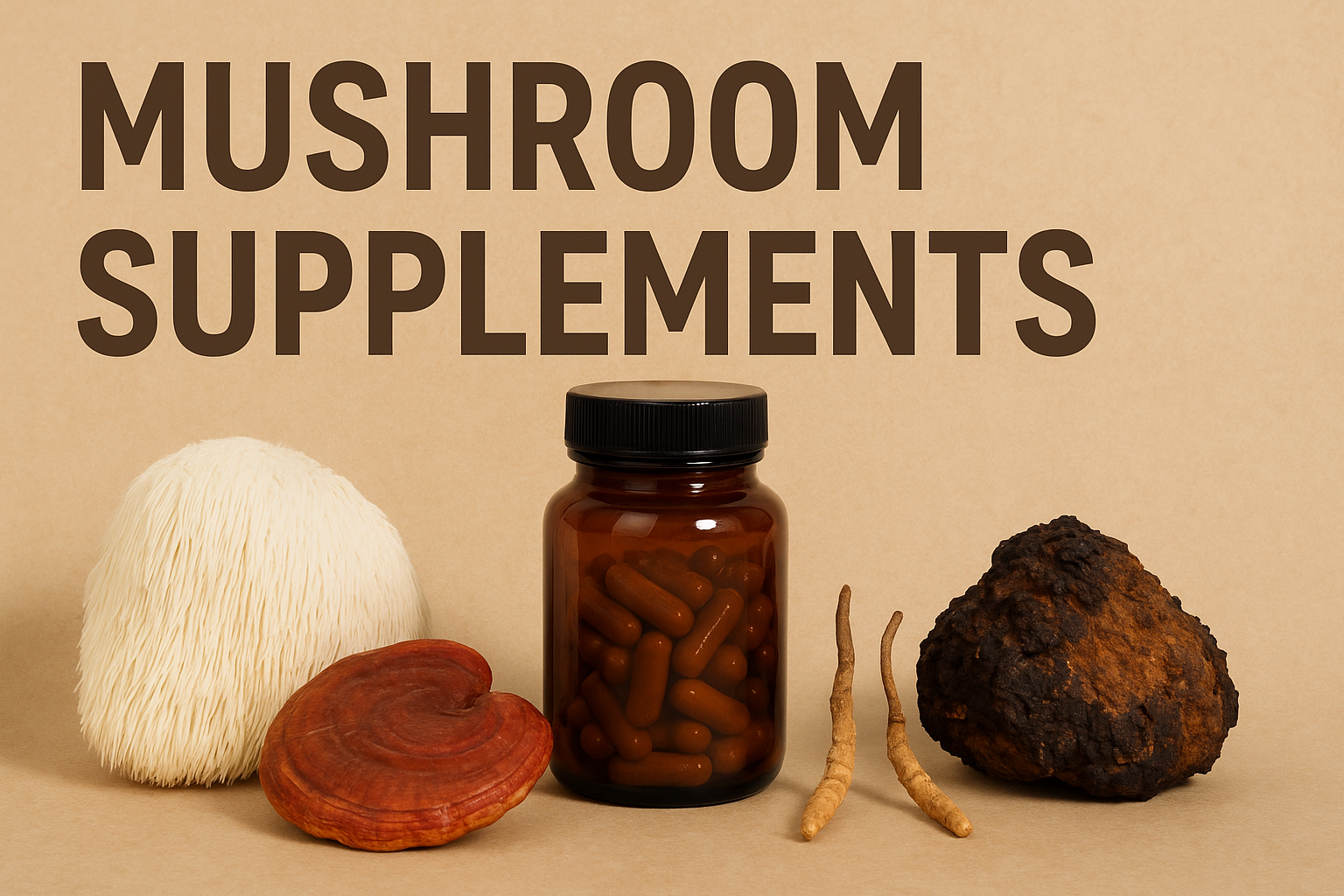
Mushroom supplements (also called medicinal or functional mushrooms) are concentrated extracts or powdered forms of fungi traditionally used in East Asian medicine. Popular species include reishi (Ganoderma lucidum) for immune support and relaxation, lion’s mane (Hericium erinaceus) for cognition and nerve health, cordyceps (Cordyceps sinensis / militaris) for energy and endurance, chaga (Inonotus obliquus) for antioxidant support, and shiitake / maitake for general wellness. Extracts, tinctures, capsules, powders and mushroom-infused beverages make them easy to add to modern routines.
Historically used as foods and remedies in Asia, these fungi contain bioactive compounds such as beta-glucans (polysaccharides), terpenoids, sterols and phenolic compounds, which are credited with their proposed health effects. Large, modern markets and celebrity endorsements have pushed them into mainstream health and wellness products.
What the science actually supports (and what it doesn’t)
Immune and anti-inflammatory effects
Laboratory and animal studies consistently show that mushroom polysaccharides (particularly beta-glucans) can modulate immune activity and reduce markers of inflammation. Human clinical evidence is promising but mixed: some trials show modest immune benefits (for example, as adjuncts in oncology care in parts of Asia), while many human studies are small and vary by extract type and dose. For immune-support claims, evidence is suggestive but not definitive.
Cognitive support — lion’s mane
A growing body of small human trials and animal studies suggests lion’s mane may support mild improvements in cognitive function, mood and nerve growth factors. Results are encouraging for specific populations (older adults with mild cognitive complaints), but larger, well-controlled trials are still needed to establish clear benefits and optimal dosing. Recent randomized trials have produced mixed results.
Energy, athletic performance — cordyceps
Cordyceps has a long reputation for boosting energy and endurance. Some clinical trials show modest improvements in exercise performance or perceived energy, but findings vary by species (natural vs. cultured), extract standardization and participant fitness. Expect modest — not dramatic — effects.
Antioxidant and metabolic effects
Several species (chaga, reishi, shiitake) contain antioxidant compounds and have shown beneficial metabolic effects in lab and animal models (e.g., modest improvements in lipid or glucose markers). Human data are limited and inconsistent, so these remain exploratory benefits rather than proven therapies.
Cancer support — adjunctive use in some countries
Some mushroom extracts are used alongside conventional cancer treatments in Japan, China and other regions, with evidence suggesting they may help reduce side effects or support immune function during therapy. These uses are often regionally accepted and studied, but they are not substitutes for standard cancer care; consult oncology teams before use.
Safety: who should be cautious
Overall, many culinary and medicinal mushrooms are well tolerated when consumed in typical supplemental doses. Common mild side effects reported include digestive upset (nausea, diarrhea), skin rashes or headaches. However, there are important safety considerations:
- Drug interactions. Some mushrooms (e.g., reishi) may interact with blood thinners, immunomodulating drugs, or diabetes medications. If you take prescription medicines, talk to your clinician.
- Autoimmune conditions. Because certain mushroom compounds stimulate immune activity, people with autoimmune diseases should seek medical advice before taking immune-active mushroom supplements.
- Liver and kidney concerns. Although many species are safe, very rare cases of liver injury have been reported with some supplements; quality and contaminants are often the culprit. People with liver or kidney disease should be cautious. Recent authoritative reviews generally find good tolerability but recommend monitoring when used long term.
- Pregnancy and breastfeeding. Safety data are limited; avoid or consult a clinician.
- Children. Most evidence is for adults; avoid routine use in children unless directed by a pediatrician.
Quality matters: common problems with mushroom products
Dietary supplements are not tightly regulated in many countries. Common issues include:
- Mislabeling (product contains mycelium grown on grain rather than fruiting-body extract, drastically altering compound profile).
- Low potency (poor extraction methods yield little of the active polysaccharides or terpenoids).
- Contamination (heavy metals, pesticides, microbial contamination, or adulteration).
- Inconsistent species identification.
Look for products that are transparent about the part used (fruiting body vs. mycelium), extraction method (hot water, dual extraction), standardization (percent beta-glucans or specific marker compounds), and that provide third-party testing (e.g., USP, NSF, or independent lab reports).
Practical advice: choosing and using mushroom supplements
- Pick the species for the goal.
- Cognitive support → lion’s mane.
- Immune balance / relaxation → reishi.
- Energy / endurance → cordyceps.
- Antioxidant / general wellness → chaga, shiitake, maitake.
- Prefer fruiting body extracts (not just mycelium-on-grain) if you want the traditional active compounds. Dual extraction (hot water + alcohol) can capture both polysaccharides and triterpenes.
- Check standardization and lab reports. Choose brands that list beta-glucan content or provide certificate of analysis (CoA) confirming absence of contaminants.
- Start low and monitor. Begin with the manufacturer’s low dose for a week to check tolerance; increase gradually if needed.
- Mind interactions and timing. Avoid high doses with anticoagulants or immunosuppressants and discuss use with your clinician if you have chronic disease.
- Not a replacement for medical care. Use as complementary wellness, not as a cure for major illnesses.
Typical dosing (general guidance, not medical advice)
Dosing varies widely by species, extract type and product concentration. Common ranges seen in clinical studies:
- Lion’s mane: Often 500–3,000 mg/day of an extract (divided doses) in trials.
- Reishi: Extract doses can range from 1,000–3,000 mg/day depending on concentration.
- Cordyceps: 1,000–3,000 mg/day of cultured Cordyceps or standardized extract is common in trials.
Because formulations and potency vary, follow product instructions and consult a clinician for personalized guidance.
What researchers still need to show
- Larger, longer, rigorous human trials for each species and for clinically meaningful outcomes (e.g., cognitive decline prevention, clinically relevant immune outcomes).
- Standardized extracts and dosing so results are comparable between studies.
- Safety data for long-term use and special populations (pregnancy, children, chronic illness).
Quick FAQ
Q: Can I take multiple mushroom supplements together?
A: Many multi-mushroom formulas exist and are generally safe for healthy adults, but mixing increases variables (dosage, interactions). Start with one and check tolerance; consult a clinician if on medications.
Q: Are mushroom coffees as effective as extracts?
A: Mushroom coffee blends often contain lower amounts of active mushroom extract and are more about convenience and ritual than therapeutic dosing. If you want clinical-level effects, look for standardized extracts.
Q: How fast will I see effects?
A: Some people report acute changes in energy or mood; cognitive or immune benefits typically require weeks to months of regular use in studies. Evidence is variable.
Bottom line
Mushroom supplements are an exciting, evidence-backed area of complementary health with plausible benefits — particularly for immune modulation, mild cognitive support (lion’s mane) and energy (cordyceps). However, human research is still evolving: benefits are often modest, species- and extract-dependent, and long-term safety data are limited. If you decide to try them, choose high-quality, third-party-tested products, start with a low dose, and discuss use with your healthcare provider — especially if you take medications or have chronic health conditions.
Sources
- Medicinal Mushrooms: Their Bioactive Components, Nutritional Value and Application — review, PMC. PMC
- Medicinal Mushrooms: Bioactive Compounds, Use, and Clinical Evidence — review, PMC. PMC
- Medicinal Mushrooms (PDQ®) – Patient & Health Professional Version — National Cancer Institute (NCI). Cancer.gov+1
- Lion’s Mane — LiverTox and recent clinical trials — NCBI Bookshelf & PubMed Central articles. NCBI+1
- Health and safety / consumer guidance on mushroom supplements and mushroom coffee reporting — Healthline / consumer articles summarizing evidence. Healthline+1