Introduction
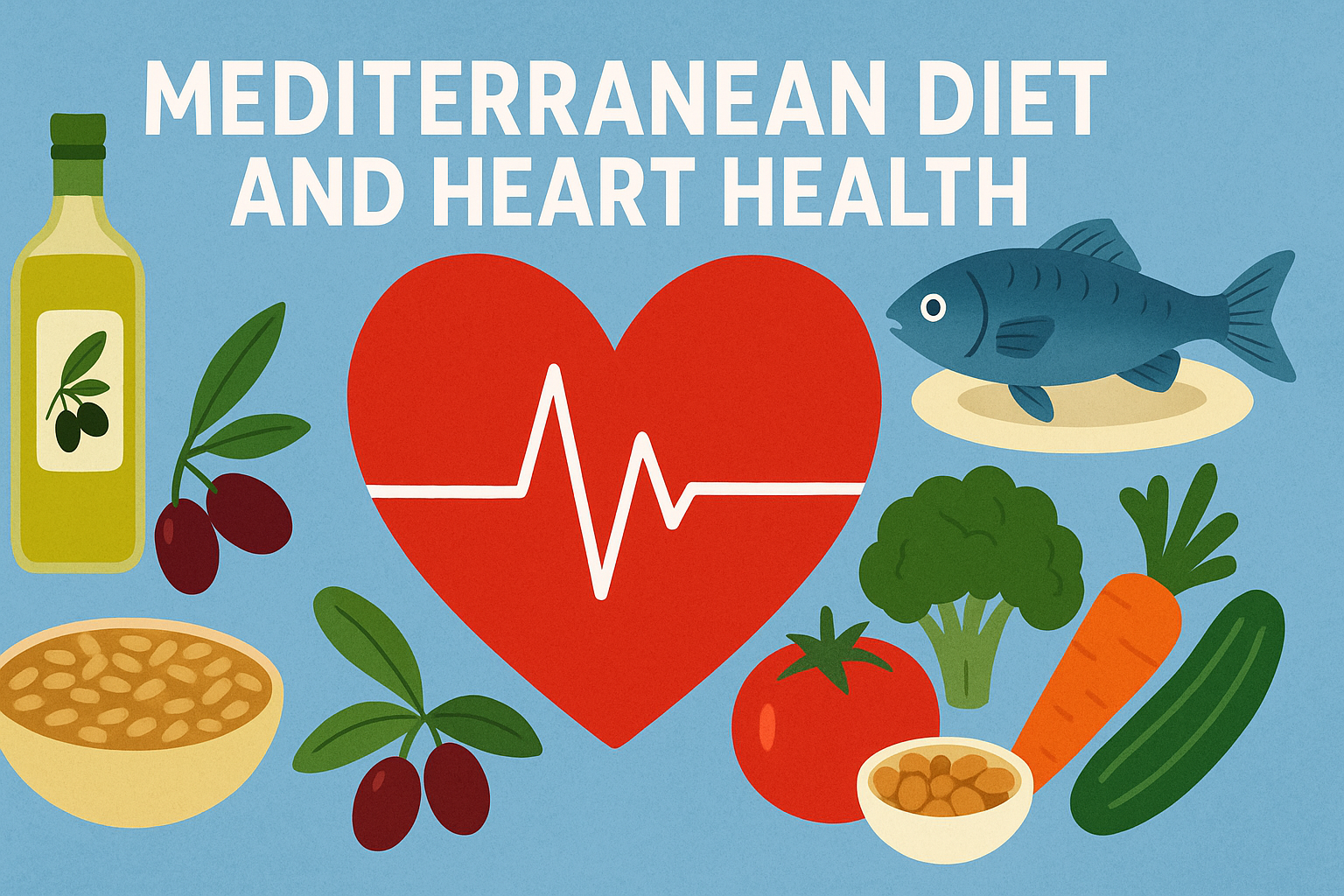
The Mediterranean diet (MedDiet) is one of the most consistently studied dietary patterns for cardiovascular health. Rather than a strict “menu,” it’s a flexible pattern that emphasizes vegetables, fruit, legumes, whole grains, nuts, fish, moderate dairy and wine, and — crucially — extra-virgin olive oil as the main fat. Large, randomized trials and decades of observational studies link higher adherence to the Mediterranean pattern with lower rates of heart attack, stroke, and cardiovascular death.
What makes the Mediterranean diet heart-healthy?
Four pillars of the Mediterranean diet are especially important for the heart: (1) olive oil (mainly extra-virgin), (2) whole grains and high-fiber foods, (3) regular consumption of fish and seafood (sources of omega-3s), and (4) a plant-forward approach (vegetables, fruits, legumes, nuts). Together these foods deliver unsaturated fats, fiber, antioxidants, anti-inflammatory phytochemicals, and nutrients that improve blood lipids, blood pressure, blood sugar, endothelial function, and inflammation — all major drivers of atherosclerosis and heart disease.
Olive oil: more than just healthy fat
Extra-virgin olive oil (EVOO) is rich in monounsaturated fatty acids (mainly oleic acid) and contains polyphenols and other bioactive compounds. These components:
- Lower low-density lipoprotein (LDL or “bad”) cholesterol and reduce LDL oxidation, a key step in plaque formation.
- Improve endothelial function (the ability of blood vessels to dilate).
- Reduce markers of inflammation and oxidative stress.
Randomized trials and systematic reviews show EVOO — particularly high-polyphenol varieties — improves blood pressure, reduces oxidized LDL, and supports vascular health compared with low-polyphenol oils. The PREDIMED trial and later analyses highlighted EVOO as a central cardioprotective component of the Mediterranean pattern.
Whole grains and dietary fiber: steady the heart
Replacing refined grains with whole grains supplies dietary fiber, vitamins, minerals, and plant compounds that benefit the heart. Whole grains:
- Lower total and LDL cholesterol through bile acid binding and changes in gut microbiota.
- Improve insulin sensitivity and help weight management.
- Provide soluble fiber that slows glucose absorption and improves blood-lipid profiles.
Multiple prospective studies and meta-analyses report that higher whole-grain intake is associated with a lower risk of coronary heart disease, stroke, and cardiovascular mortality. Making whole grains the default carbohydrate in meals (oats, barley, brown rice, whole-grain bread/pasta) is an easy, evidence-based step to reduce long-term heart risk.
Fish and omega-3s: protective fats from the sea
Fatty fish (salmon, mackerel, sardines, herring) are rich in long-chain omega-3 fatty acids (EPA and DHA). These omega-3s:
- Reduce triglyceride levels and have modest blood pressure–lowering effects.
- Improve endothelial function and reduce arrhythmia risk.
- Lower systemic inflammation and affect platelet function, reducing clotting tendency.
Regular fish intake — as recommended in Mediterranean patterns — contributes to the overall cardiovascular benefits seen in population studies and randomized trials. For heart protection, aim for at least two servings of fish per week, prioritizing fatty fish for their omega-3 content.
Plant-based foods & legumes: nutrient density and phytochemicals
Vegetables, fruits, legumes (beans, lentils), and nuts are central in Mediterranean eating. Their benefits include:
- High fiber and low energy density, assisting weight control and improved lipid and glucose metabolism.
- Rich antioxidant and anti-inflammatory phytochemicals (flavonoids, carotenoids, polyphenols) that protect blood vessel walls and lower oxidative stress.
- Plant sterols and soluble fiber which help lower LDL cholesterol.
Nuts also provide unsaturated fats and have been associated with lower cardiovascular events. Legumes deliver protein and fiber without the saturated fat found in many animal proteins, supporting heart health in the long term.
How these foods reduce heart disease — the mechanisms (brief)
- Improved lipid profile: Less saturated fat and more monounsaturated/polyunsaturated fat + fiber lowers LDL and triglycerides.
- Lower inflammation: Polyphenols and omega-3s reduce inflammatory cytokines involved in plaque progression.
- Better endothelial function: EVOO, omega-3s, and antioxidants improve vessel dilation and reduce arterial stiffness.
- Blood pressure control: Potassium-rich fruits/vegetables, magnesium, and beneficial fats help moderate blood pressure. Clinical studies show modest reductions in systolic and diastolic BP with Mediterranean-style diets.
- Reduced thrombosis and arrhythmia risk: Omega-3s and plant compounds lower platelet aggregation and electrical instability in the heart.
Evidence snapshot: clinical trials and big studies
Two high-impact randomized trials and multiple meta-analyses anchor the evidence:
- PREDIMED (2013 & follow-ups): In older adults at high cardiovascular risk, a Mediterranean diet supplemented with extra-virgin olive oil or nuts reduced major cardiovascular events (myocardial infarction, stroke, cardiovascular death) compared with a low-fat control. This trial was a milestone showing a dietary pattern can prevent hard cardiovascular endpoints.
- NEJM follow-ups and 2018 re-analyses: Later reports and pooled analyses reinforced the protective effect, particularly when EVOO or nuts are included, and confirmed benefits across various subgroups.
- Systematic reviews: Meta-analyses of prospective cohorts show higher adherence to Mediterranean-style diets correlates with lower incidence of coronary heart disease and total mortality. Whole-grain meta-analyses and reviews of EVOO polyphenols support the biological plausibility of these effects.
Practical tips to adopt the Mediterranean pattern
- Swap fats: Use extra-virgin olive oil for dressings, roasting, and light sautéing instead of butter or hard margarines.
- Choose whole grains: Replace white bread, white rice, and regular pasta with whole-grain versions or ancient grains.
- Make fish a regular centerpiece: Aim for 2 servings/week of fatty fish; substitute beans/legumes when fish isn’t available.
- Bulk up on plants: Half your plate vegetables, a portion of fruit daily, and frequent salads and veg-based sides.
- Snack smart: Nuts, olives, fresh fruit, yogurt. Keep portions in check — nuts are nutritious but calorie-dense.
- Limit ultra-processed foods and added sugars: Focus on minimally processed, fresh ingredients.
- Lifestyle matters: Social meals, regular physical activity, sleep, and stress reduction complement dietary benefits.
Sample one-day Mediterranean menu (simple)
- Breakfast: Overnight oats with chopped walnuts, berries, and a drizzle of EVOO yogurt.
- Lunch: Chickpea and tomato salad with cucumber, parsley, lemon, EVOO, and whole-grain pita.
- Snack: A small handful of almonds and an apple.
- Dinner: Grilled salmon, roasted vegetables with EVOO, and a side of farro or brown rice.
- Optional: A small glass of red wine with dinner (follow local guidelines and individual health considerations).
Who should be cautious or consult a clinician?
The Mediterranean diet is widely safe and adaptable. However, people on blood-thinning medications, certain heart drugs, or those with specific dietary restrictions (severe kidney disease, advanced liver disease, food allergies) should discuss changes with their healthcare provider or a registered dietitian. If you have very high triglycerides, your clinician may suggest targeted therapy in addition to dietary changes.
Conclusion
The Mediterranean diet is more than a set of individual “superfoods.” Its heart-protective power comes from the combined effect of olive oil, whole grains, fish, legumes, fruits, vegetables, and nuts — a pattern that reduces LDL cholesterol and triglycerides, lowers inflammation and blood pressure, improves vascular function, and ultimately reduces heart attack, stroke, and cardiovascular death risk. Large, randomized trials (notably PREDIMED) and many observational studies back these benefits. Adopting Mediterranean-style eating is practical, flexible, and supported by robust evidence — a sustainable approach to protect your heart for the long term.
Sources
- Estruch R, et al. Primary Prevention of Cardiovascular Disease with a Mediterranean Diet. N Engl J Med. 2013. New England Journal of Medicine
- Estruch R, et al. Primary Prevention of Cardiovascular Disease with a Mediterranean Diet Supplemented with Extra-Virgin Olive Oil or Nuts. N Engl J Med. 2018. New England Journal of Medicine
- American Heart Association — What is the Mediterranean Diet? heart.org. www.heart.org
- George ES, et al. Effect of high-polyphenol extra virgin olive oil on cardiovascular risk factors: systematic review and meta-analysis. (PubMed). 2019. PubMed
- Aune D, et al. Whole grain consumption and risk of cardiovascular disease: a meta-analysis. (PMC). 2016. PMC
- Martínez-González MA, et al. The Mediterranean Diet and Cardiovascular Health. Circulation Research review. 2019. AHA Journals
- Cleveland Clinic — Mediterranean Diet: Food List & Meal Plan. my.clevelandclinic.org. Cleveland Clinic
About the Author