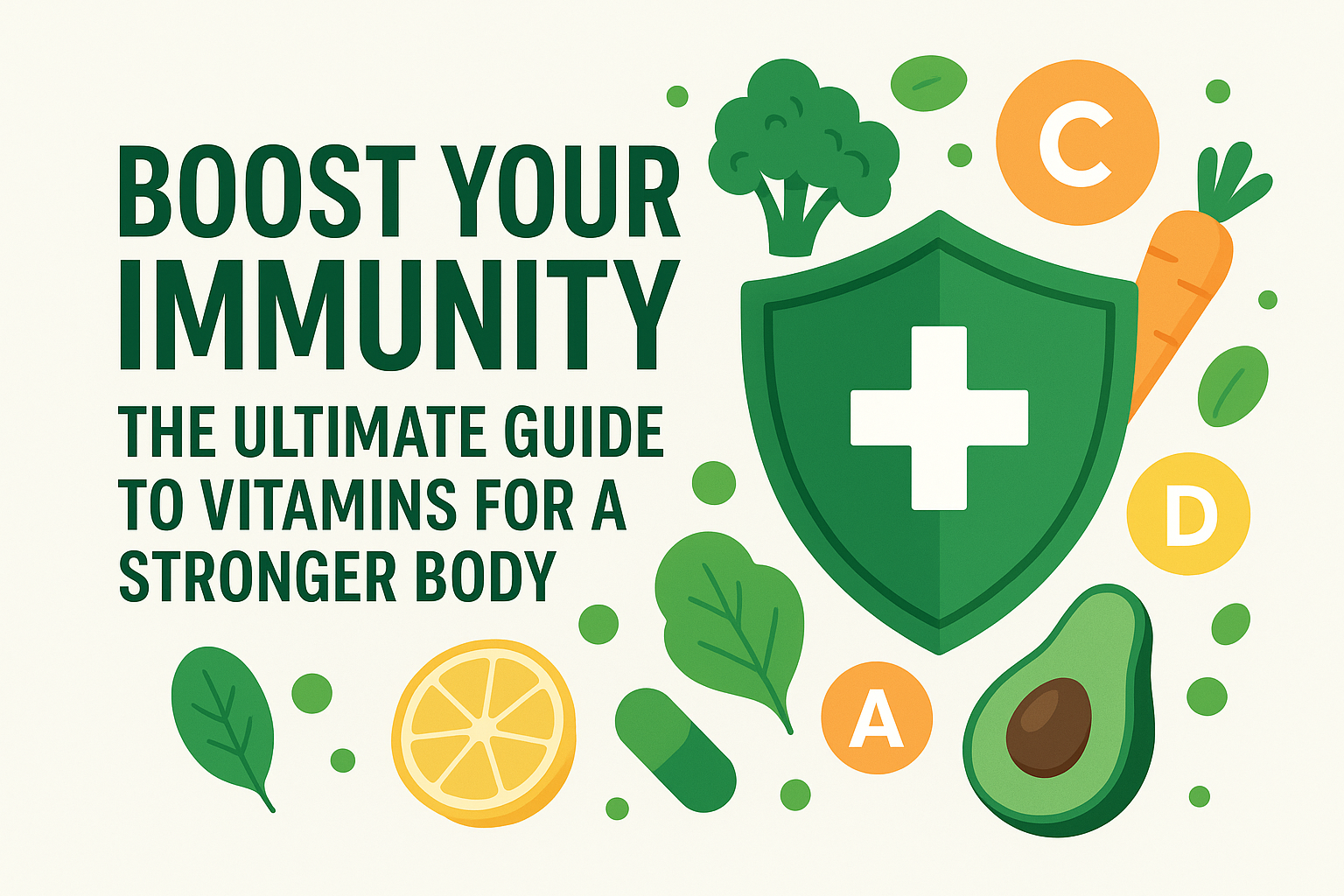
A strong immune system is your body’s best defense against infections, viruses, and chronic diseases. In today’s fast-paced world—where stress, poor diet, and lack of sleep can weaken immunity—understanding how vitamins and minerals support your body’s defenses is essential. This comprehensive guide explores the most powerful vitamins for boosting immunity, how they work, the best food sources, and smart supplementation strategies to help you stay healthy year-round.
Understanding Your Immune System
Your immune system is a complex network of cells, tissues, and organs that work together to defend the body against harmful invaders like bacteria, viruses, and toxins. Its effectiveness depends on multiple factors—nutrition being one of the most important.
While genetics and lifestyle play key roles, nutrient deficiencies can significantly weaken your immune response. Vitamins and minerals act as cofactors that support the production of white blood cells, antibodies, and signaling molecules that coordinate immune activity. Without adequate nutrition, your body becomes more vulnerable to infections and slower to recover.
The Most Important Vitamins for Immunity
1. Vitamin C – The Classic Immune Booster
Vitamin C is perhaps the most well-known immune-supporting nutrient. It’s a potent antioxidant that protects immune cells from oxidative damage and supports the production of white blood cells—especially lymphocytes and phagocytes, which fight infections.
Benefits:
- Enhances white blood cell production
- Reduces the duration and severity of colds
- Protects cells from free radical damage
- Aids in tissue repair and wound healing
Best Sources:
Citrus fruits (oranges, lemons, grapefruits), kiwi, strawberries, bell peppers, broccoli, and spinach.
Recommended Daily Intake:
75 mg for women and 90 mg for men, though some experts recommend higher doses (up to 500 mg) during illness or stress.
2. Vitamin D – The Sunshine Vitamin
Vitamin D plays a vital role in activating immune defenses. It enhances the pathogen-fighting effects of monocytes and macrophages—white blood cells that are critical to immune protection—and decreases inflammation.
Low vitamin D levels are associated with increased susceptibility to infections, particularly respiratory illnesses.
Benefits:
- Regulates immune cell activity
- Reduces inflammation
- May lower risk of autoimmune diseases
Best Sources:
Sunlight exposure, fortified dairy products, fatty fish (salmon, tuna, mackerel), egg yolks, and mushrooms.
Recommended Daily Intake:
600–800 IU per day for adults, though higher doses (1,000–2,000 IU) may be needed for those with limited sun exposure.
3. Vitamin A – The First Line of Defense
Vitamin A supports the health of your skin and mucous membranes—the body’s first barrier against pathogens. It also helps regulate the immune system by supporting the production and activity of white blood cells.
Benefits:
- Maintains the integrity of skin and respiratory linings
- Enhances antibody production
- Helps in the development of immune cells
Best Sources:
Carrots, sweet potatoes, spinach, kale, apricots, and liver.
Recommended Daily Intake:
700 mcg for women and 900 mcg for men.
4. Vitamin E – The Antioxidant Shield
Vitamin E is another powerful antioxidant that helps the body fight off infections by neutralizing harmful free radicals. It also enhances the activity of T-cells, a critical part of the adaptive immune system.
Benefits:
- Protects immune cells from oxidative stress
- Improves immune response, especially in older adults
- Supports cardiovascular and skin health
Best Sources:
Almonds, sunflower seeds, spinach, avocado, and olive oil.
Recommended Daily Intake:
15 mg per day for adults.
5. Vitamin B6 – The Immunity Catalyst
Vitamin B6 is essential for biochemical reactions in the immune system. It supports the production of antibodies and ensures efficient communication between immune cells.
Benefits:
- Promotes antibody formation
- Supports red blood cell production
- Enhances lymphocyte (white blood cell) activity
Best Sources:
Bananas, chickpeas, chicken, salmon, potatoes, and fortified cereals.
Recommended Daily Intake:
1.3–2.0 mg per day depending on age and sex.
6. Vitamin B12 – Energy and Defense Support
Vitamin B12 plays an indirect but vital role in immune health by supporting red blood cell formation and energy metabolism. A deficiency can lead to fatigue and a weakened immune response.
Benefits:
- Supports DNA synthesis and red blood cell production
- Maintains nervous system health
- Enhances the body’s energy and defense mechanisms
Best Sources:
Beef, eggs, dairy, shellfish, and fortified plant-based milks or cereals.
Recommended Daily Intake:
2.4 mcg per day for adults.
Essential Minerals That Strengthen Immunity
While vitamins often take the spotlight, certain minerals are equally crucial for maintaining a robust immune system.
1. Zinc – The Infection Fighter
Zinc is a trace mineral vital for the development and activation of immune cells. It helps control inflammation and may shorten the duration of colds.
Benefits:
- Enhances white blood cell activity
- Supports wound healing
- Helps regulate inflammation
Best Sources:
Oysters, beef, pumpkin seeds, lentils, chickpeas, and nuts.
Recommended Daily Intake:
8 mg for women and 11 mg for men.
2. Iron – Oxygen for Immunity
Iron helps transport oxygen throughout the body and supports the growth of immune cells. A deficiency can weaken the immune response and cause fatigue.
Benefits:
- Supports energy metabolism
- Promotes immune cell development
- Aids in hemoglobin formation
Best Sources:
Red meat, lentils, beans, spinach, and fortified cereals.
Recommended Daily Intake:
18 mg for women and 8 mg for men.
3. Selenium – The Viral Defender
Selenium enhances the body’s defense against infections and helps prevent cell damage from oxidative stress. It also supports the production of cytokines, which regulate immune responses.
Benefits:
- Boosts antiviral defense
- Reduces oxidative stress
- Enhances antibody production
Best Sources:
Brazil nuts, tuna, eggs, and whole grains.
Recommended Daily Intake:
55 mcg per day for adults.
4. Magnesium – The Immune Balancer
Magnesium supports hundreds of enzymatic reactions in the body, including those involved in immune cell signaling and inflammation control. Chronic stress or poor diet can quickly deplete magnesium stores.
Benefits:
- Reduces inflammation
- Supports cellular energy production
- Aids in sleep and stress regulation (both key for immunity)
Best Sources:
Leafy greens, nuts, seeds, whole grains, and dark chocolate.
Recommended Daily Intake:
310–420 mg per day depending on age and sex.
Lifestyle and Nutrition Tips to Support Immune Health
Vitamins and minerals are only part of the equation. For optimal immune function, combine good nutrition with healthy habits.
1. Eat a Balanced Diet
Prioritize whole foods—fruits, vegetables, lean proteins, whole grains, nuts, and seeds. Processed foods high in sugar and trans fats can suppress immune activity.
2. Stay Hydrated
Water supports lymphatic function, which carries immune cells throughout the body.
3. Get Enough Sleep
Lack of sleep weakens immune response and increases inflammation. Aim for 7–9 hours per night.
4. Manage Stress
Chronic stress can suppress immune function. Practice mindfulness, deep breathing, or yoga to help regulate cortisol levels.
5. Exercise Regularly
Moderate physical activity enhances immune surveillance and circulation. Avoid overtraining, which can have the opposite effect.
6. Consider Smart Supplementation
If your diet lacks key nutrients or you have absorption issues, supplements can help fill the gap. Always consult a healthcare professional before starting new supplements, especially if you have underlying health conditions.
Common Signs of Weak Immunity
If you experience frequent colds, slow wound healing, fatigue, or digestive issues, your immune system might be under strain. These symptoms can be signs of nutrient deficiencies or lifestyle imbalances that need attention.
Conclusion: Build Your Immunity from Within
Boosting your immune system is not about quick fixes—it’s about long-term nourishment and balance. A diet rich in vitamins A, C, D, E, and B-complex, alongside minerals like zinc, iron, selenium, and magnesium, can empower your body’s defenses naturally. Combine these nutrients with proper sleep, stress management, hydration, and exercise, and you’ll be well on your way to a stronger, healthier, and more resilient body.
Sources
- National Institutes of Health (NIH) – Office of Dietary Supplements
- World Health Organization (WHO)
- Harvard T.H. Chan School of Public Health
- Mayo Clinic – Nutrition and Immune Health
- Linus Pauling Institute – Micronutrient Information Center
- American Journal of Clinical Nutrition
- Centers for Disease Control and Prevention (CDC)