Maintaining good heart health and managing blood pressure are essential steps toward living a long, energetic, and fulfilling life. Heart disease remains the leading cause of death worldwide, and high blood pressure—or hypertension—is one of its biggest contributors. The good news? You have the power to protect your heart naturally through your diet, lifestyle choices, and awareness.
In this article, we’ll explore the most effective ways to support your cardiovascular system, including 10 heart-healthy foods to eat daily, natural ways to lower blood pressure, early warning signs of heart disease, and a complete overview of the DASH diet plan, one of the most trusted heart-healthy diets recommended by experts.
1. Understanding the Connection Between Heart Health and Blood Pressure
Your heart and blood vessels work together to circulate oxygen and nutrients throughout your body. When your blood pressure is too high, it forces your heart to pump harder, which can damage arteries and increase your risk of heart attack, stroke, and kidney disease.
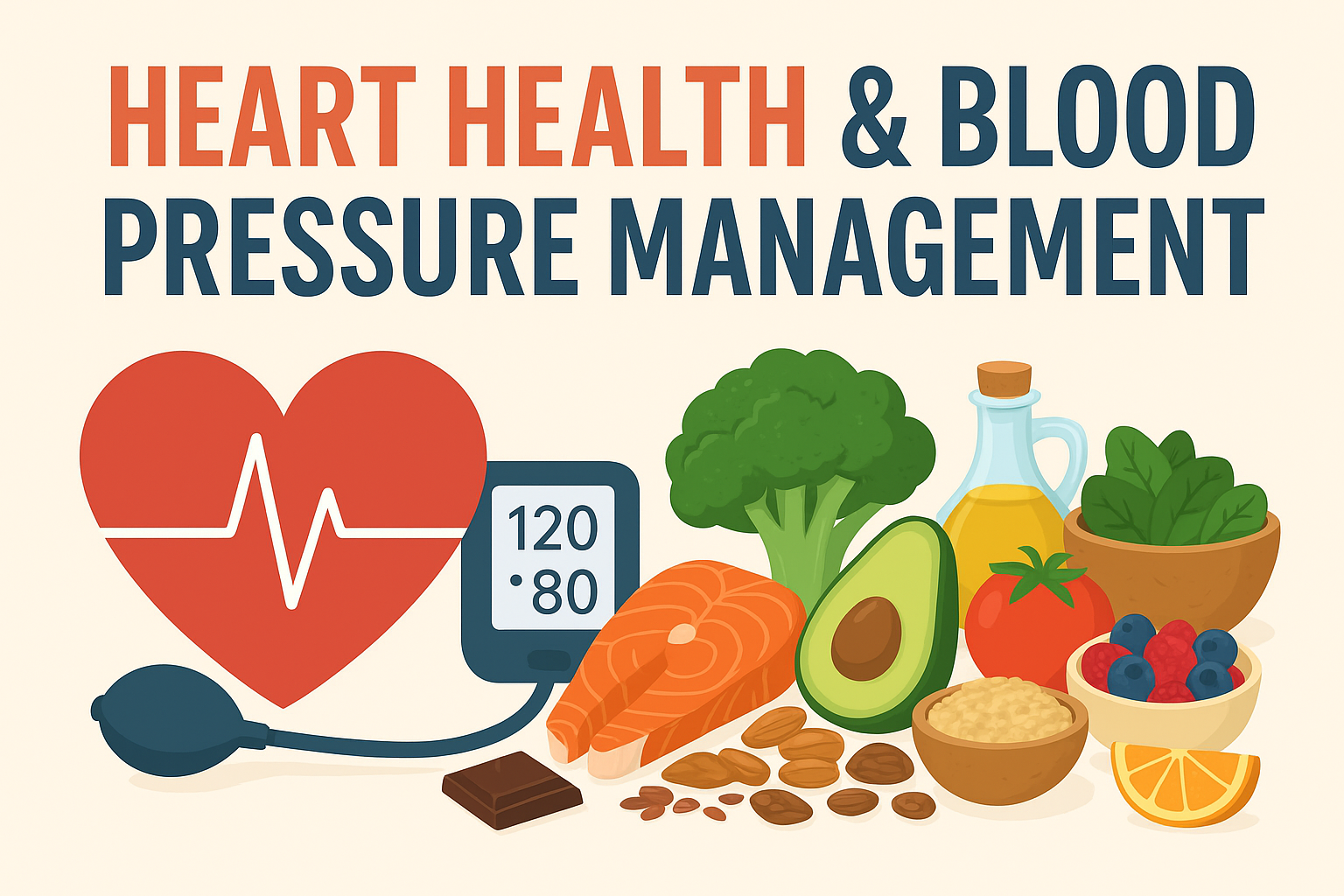
A normal blood pressure reading is around 120/80 mmHg, but anything consistently above 130/80 mmHg is considered hypertension. Lifestyle factors like poor diet, lack of exercise, stress, and smoking can all contribute to this condition.
The good news? By making small, sustainable changes, you can lower your blood pressure naturally and protect your heart from long-term damage.
2. 10 Heart-Healthy Foods to Eat Every Day
Nutrition is one of the most powerful tools for protecting your heart. Here are 10 scientifically proven foods that promote cardiovascular health and help manage blood pressure.
1. Leafy Green Vegetables
Spinach, kale, and Swiss chard are rich in potassium and nitrates, which help regulate blood pressure and improve blood vessel function.
2. Oats
Oats contain beta-glucan, a type of soluble fiber that helps lower LDL (“bad”) cholesterol and stabilize blood sugar levels—both crucial for heart health.
3. Berries
Blueberries, strawberries, and raspberries are packed with antioxidants called anthocyanins, which help reduce inflammation and oxidative stress in the arteries.
4. Fatty Fish
Salmon, mackerel, and sardines are high in omega-3 fatty acids, which lower triglycerides, reduce plaque buildup, and decrease blood pressure.
5. Nuts and Seeds
Almonds, walnuts, chia, and flaxseeds are rich in magnesium and healthy fats that support heart rhythm and lower cholesterol.
6. Olive Oil
A key component of the Mediterranean diet, olive oil contains monounsaturated fats and polyphenols that protect blood vessels and reduce inflammation.
7. Whole Grains
Brown rice, quinoa, and whole-grain bread help reduce cholesterol and improve artery elasticity, promoting healthy blood flow.
8. Beans and Legumes
Lentils, chickpeas, and black beans are rich in plant-based protein, fiber, and minerals that support heart function and stabilize blood sugar.
9. Avocados
Loaded with potassium and heart-healthy fats, avocados help regulate blood pressure and cholesterol levels.
10. Dark Chocolate (in moderation)
Dark chocolate with at least 70% cocoa contains flavonoids that improve circulation and reduce blood pressure.
3. Natural Ways to Lower Blood Pressure Without Medication
If you’ve been told your blood pressure is creeping up, don’t panic. Many people can lower it naturally through lifestyle changes. Here are proven, science-backed strategies.
1. Reduce Salt Intake
Excess sodium causes water retention, raising blood pressure. Stick to less than 2,300 mg per day (about one teaspoon of salt) and choose fresh foods over processed ones.
2. Exercise Regularly
Aim for at least 30 minutes of moderate activity most days—like brisk walking, swimming, or cycling. Regular exercise strengthens the heart and improves circulation.
3. Maintain a Healthy Weight
Even a 5–10% weight loss can make a noticeable difference in blood pressure levels. Focus on portion control and whole, nutrient-dense foods.
4. Manage Stress
Chronic stress releases hormones that increase blood pressure. Try deep breathing, yoga, meditation, or simply spending time in nature to relax your body and mind.
5. Limit Alcohol and Caffeine
While small amounts of red wine may have heart benefits, excessive drinking raises blood pressure. Limit alcohol to one drink per day for women and two for men.
Caffeine sensitivity varies, but if coffee spikes your blood pressure, reduce or switch to decaf.
6. Quit Smoking
Nicotine damages blood vessels and increases heart rate immediately after smoking. Quitting reduces your risk of heart disease dramatically within just a few weeks.
7. Get Quality Sleep
Poor sleep raises cortisol levels, which can elevate blood pressure. Aim for 7–8 hours of quality sleep per night.
4. Early Signs of Heart Disease You Shouldn’t Ignore
Heart disease often develops silently over time, but your body may send warning signs. Recognizing them early could save your life.
1. Chest Pain or Discomfort
The most common symptom of heart disease. It may feel like pressure, tightness, or squeezing that comes and goes, especially during physical activity.
2. Shortness of Breath
Feeling breathless after mild activity or while resting may indicate that your heart isn’t pumping efficiently.
3. Fatigue or Weakness
If you’re constantly tired even after adequate rest, it could signal poor circulation or heart failure.
4. Irregular Heartbeat
Heart palpitations or fluttering sensations may indicate arrhythmia, which can lead to serious complications if untreated.
5. Swelling in Legs, Ankles, or Feet
This can be a sign of fluid retention caused by weakened heart function.
6. Dizziness or Fainting
These symptoms can result from reduced blood flow to the brain, often linked to heart rhythm problems.
If you experience any of these symptoms, seek medical advice immediately. Early detection and lifestyle adjustments can dramatically reduce your risk of heart attack or stroke.
5. The DASH Diet Plan Explained
The DASH diet (Dietary Approaches to Stop Hypertension) is one of the most recommended eating plans for lowering blood pressure and improving heart health.
What Is the DASH Diet?
The DASH diet emphasizes whole, minimally processed foods rich in potassium, calcium, magnesium, and fiber, while limiting sodium, added sugars, and saturated fats.
Core Principles of the DASH Diet:
- Eat plenty of fruits and vegetables: At least 4–5 servings each per day
- Include whole grains: 6–8 servings daily
- Choose lean proteins: Fish, poultry, beans, and legumes
- Limit red meat and processed foods
- Reduce sodium intake
- Opt for low-fat dairy products for calcium and protein
Sample DASH Diet Meal Plan:
Breakfast:
Oatmeal with berries and a sprinkle of flaxseed
Lunch:
Grilled chicken salad with olive oil dressing and a slice of whole-grain bread
Snack:
A handful of almonds or an apple
Dinner:
Baked salmon with steamed broccoli and quinoa
Dessert (optional):
A square of dark chocolate
The DASH diet is not just a temporary plan—it’s a sustainable lifestyle that promotes balanced nutrition, lower blood pressure, and long-term heart health.
6. The Bottom Line: Your Heart, Your Choice
Heart health and blood pressure management are within your control. By adopting a balanced diet rich in fruits, vegetables, whole grains, and lean proteins, staying active, and managing stress, you can significantly reduce your risk of heart disease.
Remember, small daily choices—like swapping salty snacks for nuts or walking after dinner instead of watching TV—can make a big difference over time.
Your heart works for you every second of every day. It’s time to return the favor by giving it the care it deserves.
Sources
- American Heart Association. Heart-Healthy Diet Recommendations.
- National Heart, Lung, and Blood Institute. DASH Eating Plan.
- Mayo Clinic. High Blood Pressure (Hypertension) Prevention and Treatment.
- Harvard Health Publishing. Foods That Are Good for Your Heart.
- World Health Organization. Cardiovascular Diseases (CVDs) Fact Sheet.
- Centers for Disease Control and Prevention (CDC). Heart Disease Facts.

