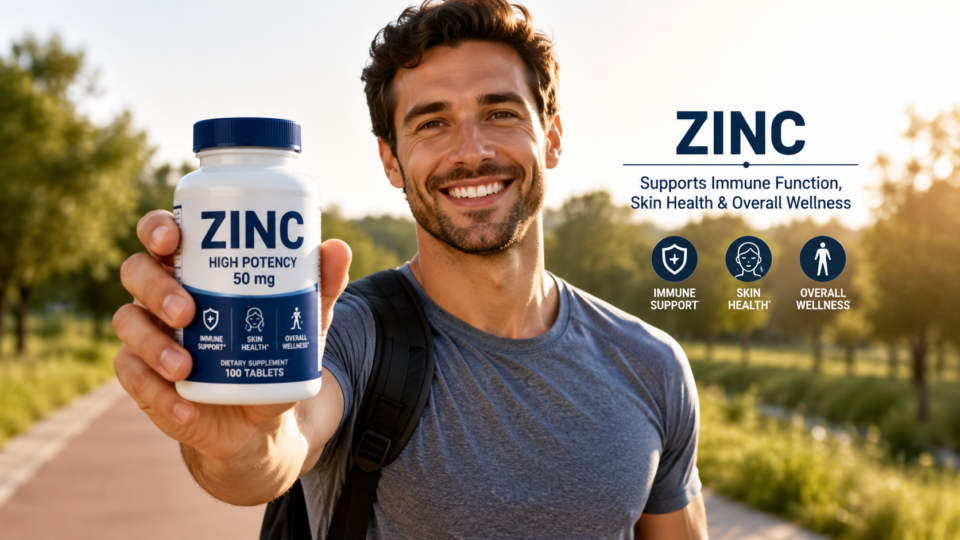
Zinc is one of the most essential trace minerals required for human health. Although the body only needs small amounts, zinc plays a critical role in hundreds of biological processes. It supports immune function, wound healing, DNA synthesis, cell growth, reproductive health, taste and smell, hormone production, and proper brain function. Since the human body cannot produce or store large quantities of zinc, it must be obtained regularly through diet or dietary supplements.
While many people are familiar with zinc as a single nutrient, few realize that zinc supplements come in many different forms. Each type of zinc differs in its chemical composition, absorption rate, bioavailability, and intended use. Some forms are better suited for correcting zinc deficiency, while others are commonly used to support immune health, treat acne, promote skin healing, or improve digestive function.
Understanding the different types of zinc can help individuals choose the most appropriate supplement for their specific health goals while avoiding unnecessary side effects.
Why Zinc Is Important
Zinc is involved in more than 300 enzyme systems and contributes to over 1,000 biological processes in the body. It is essential for maintaining healthy skin, supporting the immune system, producing proteins, synthesizing DNA, and regulating hormones. Zinc also helps cells divide and repair themselves, making it particularly important during periods of rapid growth such as childhood, adolescence, pregnancy, and recovery from illness.
In addition to supporting physical health, zinc contributes to normal neurological function. It participates in neurotransmitter activity, supports cognitive performance, and may influence mood and memory. Zinc deficiency has been associated with impaired immunity, delayed wound healing, hair loss, poor appetite, impaired growth, reduced fertility, and changes in taste or smell.
Although many foods contain zinc—including meat, seafood, dairy products, legumes, nuts, and whole grains—certain individuals may still develop deficiency due to inadequate intake, digestive disorders, vegetarian or vegan diets, aging, chronic illness, or medications that interfere with absorption.
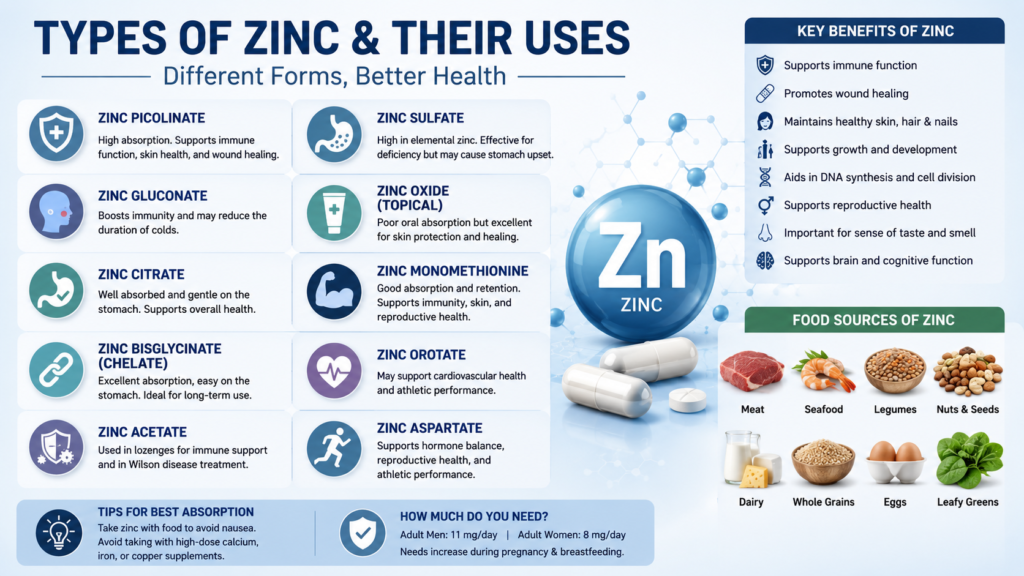
Zinc Picolinate
Zinc picolinate is widely regarded as one of the most absorbable forms of zinc available. In this form, zinc is bound to picolinic acid, a compound naturally produced in the digestive tract that enhances mineral absorption.
Because of its excellent bioavailability, zinc picolinate is often recommended for individuals with confirmed zinc deficiency or conditions that impair nutrient absorption. It is commonly used to strengthen immune function, improve skin health, accelerate wound healing, and support reproductive health.
People experiencing chronic digestive disorders such as Crohn’s disease or ulcerative colitis may benefit from this form because it is generally absorbed more efficiently than several other zinc compounds.
Zinc Gluconate
Zinc gluconate is one of the most commonly used zinc supplements worldwide. It is inexpensive, widely available, and frequently included in over-the-counter cold remedies and lozenges.
Research suggests that zinc gluconate lozenges may reduce the duration of common cold symptoms when started within the first 24 hours after symptoms appear. This benefit appears to result from zinc’s ability to interfere with viral replication in the throat and support immune cell activity.
Zinc gluconate is also commonly used to prevent mild zinc deficiency and provide daily nutritional support. Its absorption is considered good, although generally slightly lower than zinc picolinate.
Zinc Citrate
Zinc citrate combines zinc with citric acid and is another highly bioavailable form. It is often chosen because it is relatively gentle on the stomach and has a pleasant taste, making it suitable for chewable tablets and liquid supplements.
This form is commonly recommended for routine supplementation, immune support, and maintaining healthy zinc levels. Studies have shown that zinc citrate provides absorption comparable to several other well-absorbed forms while causing fewer gastrointestinal complaints in many individuals.
People who experience nausea with other zinc supplements may tolerate zinc citrate better.
Zinc Bisglycinate (Chelated Zinc)
Zinc bisglycinate, also called zinc glycinate, is a chelated form in which zinc is attached to two glycine amino acids. Chelation protects zinc during digestion and allows efficient absorption through amino acid transport pathways.
This form is especially useful for individuals with sensitive stomachs because it tends to produce fewer digestive side effects than some inorganic zinc salts.
Zinc bisglycinate is frequently recommended for long-term supplementation, pregnancy (under medical supervision), immune health, hormone balance, athletic recovery, and correcting nutritional deficiencies.
Zinc Acetate
Zinc acetate is another highly absorbable form that is often used in cold lozenges. It releases free zinc ions efficiently within the mouth and throat, where they may inhibit viral activity.
Besides immune support, zinc acetate is medically prescribed in certain cases of Wilson disease, a rare genetic disorder in which excessive copper accumulates in the body. Zinc reduces intestinal copper absorption, helping manage copper levels over time.
Because of this specialized use, zinc acetate should only be taken under medical supervision when prescribed for Wilson disease.
Zinc Sulfate
Zinc sulfate is among the oldest and least expensive forms of zinc supplementation. It is frequently prescribed to treat zinc deficiency because it contains a relatively high percentage of elemental zinc.
However, zinc sulfate is more likely to cause stomach irritation, nausea, abdominal discomfort, or vomiting when taken on an empty stomach. Despite these drawbacks, it remains widely used in clinical settings because of its effectiveness and affordability.
Healthcare providers often recommend taking zinc sulfate with meals to minimize gastrointestinal side effects.
Zinc Oxide
Zinc oxide has relatively poor oral absorption compared with other forms of zinc. As a result, it is less commonly recommended for correcting zinc deficiency.
Its greatest value lies in topical medicine. Zinc oxide has soothing, anti-inflammatory, antimicrobial, and protective properties, making it a common ingredient in diaper rash creams, sunscreens, calamine lotion, wound dressings, and skin protectants.
It forms a physical barrier on the skin that helps protect against irritation, moisture, and ultraviolet radiation.
Zinc Monomethionine
Zinc monomethionine consists of zinc bound to the amino acid methionine. This chelated form provides excellent absorption and is frequently used in premium dietary supplements.
Some studies suggest that zinc monomethionine remains available in the body longer than certain other forms, making it attractive for supporting immune health, skin repair, antioxidant defenses, and reproductive function.
It is also popular among athletes because adequate zinc status supports muscle recovery, protein synthesis, and normal testosterone production.
Zinc Orotate
Zinc orotate combines zinc with orotic acid. Although scientific evidence supporting superior absorption remains limited, proponents believe orotic acid helps transport minerals across cell membranes more efficiently.
This form appears in some specialty supplements marketed for cardiovascular health, athletic performance, and cellular repair. However, more research is needed before any clear advantages over better-studied zinc forms can be confirmed.
Zinc Aspartate
Zinc aspartate is another amino acid-chelated form that offers good absorption. It is commonly included in sports nutrition formulas, testosterone support supplements, and multivitamins.
Because zinc contributes to normal hormone production and reproductive health, zinc aspartate is frequently marketed to physically active individuals seeking nutritional support for muscle recovery and overall performance.
Topical Zinc Preparations
Not all zinc products are intended to be swallowed. Several forms are specifically designed for skin application.
Topical zinc oxide remains one of the most widely used ingredients in dermatology because it protects damaged skin, reduces inflammation, and supports wound healing. Zinc pyrithione is commonly found in anti-dandruff shampoos because it effectively reduces fungal growth responsible for seborrheic dermatitis and dandruff. Zinc undecylenate is frequently used in antifungal creams and powders to treat athlete’s foot and other superficial fungal infections.
These products deliver zinc directly to affected tissues without significantly increasing zinc levels in the bloodstream.
Choosing the Best Type of Zinc
Selecting the most appropriate zinc supplement depends on individual health goals.
For correcting zinc deficiency, zinc picolinate, zinc bisglycinate, zinc citrate, and zinc gluconate are generally considered excellent choices because of their high absorption.
For immune support and common cold management, zinc acetate and zinc gluconate lozenges have the strongest clinical evidence.
Individuals with sensitive stomachs often tolerate zinc citrate or zinc bisglycinate better than zinc sulfate.
For skin protection and wound care, topical zinc oxide remains the preferred option.
Healthcare professionals may prescribe zinc sulfate because of its high elemental zinc content and lower cost despite its greater likelihood of causing digestive discomfort.
Recommended Daily Intake
The Recommended Dietary Allowance (RDA) for zinc varies according to age and sex.
Adult men generally require approximately 11 mg of zinc daily, while adult women require about 8 mg. During pregnancy and breastfeeding, zinc requirements increase because of fetal growth and milk production.
Many multivitamins contain zinc within these recommended amounts. Individuals taking separate zinc supplements should carefully check the elemental zinc content rather than the total compound weight.
Can You Take Too Much Zinc?
Although zinc is essential, excessive intake may be harmful. The Tolerable Upper Intake Level for most adults is 40 mg of elemental zinc per day unless higher doses are prescribed temporarily by a healthcare professional.
Long-term excessive zinc intake can interfere with copper absorption, potentially leading to copper deficiency, anemia, reduced immune function, neurological problems, and changes in cholesterol levels.
Common short-term side effects of high-dose zinc include nausea, stomach pain, vomiting, diarrhea, and a metallic taste in the mouth.
To maximize absorption, zinc supplements should generally be taken separately from high-dose calcium, iron, or copper supplements because these minerals may compete for absorption.
Conclusion
Zinc is an indispensable mineral that supports immune function, skin health, wound healing, growth, hormone production, reproduction, and numerous enzymatic reactions throughout the body. However, not all zinc supplements are created equal. Each form possesses unique characteristics that influence absorption, effectiveness, and clinical use.
Highly absorbable forms such as zinc picolinate, zinc bisglycinate, zinc citrate, zinc acetate, and zinc gluconate are excellent choices for maintaining adequate zinc status and supporting overall health. Zinc sulfate remains an effective and economical option for treating deficiency despite its greater risk of stomach irritation, while zinc oxide continues to dominate topical skin care because of its remarkable protective and healing properties.
Choosing the right form depends on individual health needs, digestive tolerance, medical conditions, and the advice of a qualified healthcare professional. When used appropriately, zinc supplementation can be a safe and effective strategy for maintaining optimal health and preventing deficiency.
Sources
- National Institutes of Health (NIH), Office of Dietary Supplements. Zinc Fact Sheet for Health Professionals.
- World Health Organization (WHO). Vitamin and Mineral Requirements in Human Nutrition.
- National Institutes of Health, MedlinePlus. Zinc.
- Linus Pauling Institute, Oregon State University. Micronutrient Information Center: Zinc.
- European Food Safety Authority (EFSA). Scientific Opinion on Dietary Reference Values for Zinc.
- Mayo Clinic. Zinc (Oral Route): Proper Use and Safety.
- Harvard T.H. Chan School of Public Health. The Nutrition Source: Zinc.
- Centers for Disease Control and Prevention (CDC). Nutrition and Micronutrients.
- Institute of Medicine (US). Dietary Reference Intakes for Vitamin A, Vitamin K, Arsenic, Boron, Chromium, Copper, Iodine, Iron, Manganese, Molybdenum, Nickel, Silicon, Vanadium, and Zinc.
- Prasad AS. Discovery of Human Zinc Deficiency and Studies in an Experimental Human Model. American Journal of Clinical Nutrition.