
High blood pressure (hypertension) silently increases the risk of heart disease, stroke, and kidney problems. Fortunately, diet is one of the most powerful tools you can use to manage it. Below are the 10 foods people with hypertension should avoid — plus practical swaps, quick tips, and the reasoning backed by major health organizations.
1. Packaged & processed foods (ready meals, chips, instant noodles)
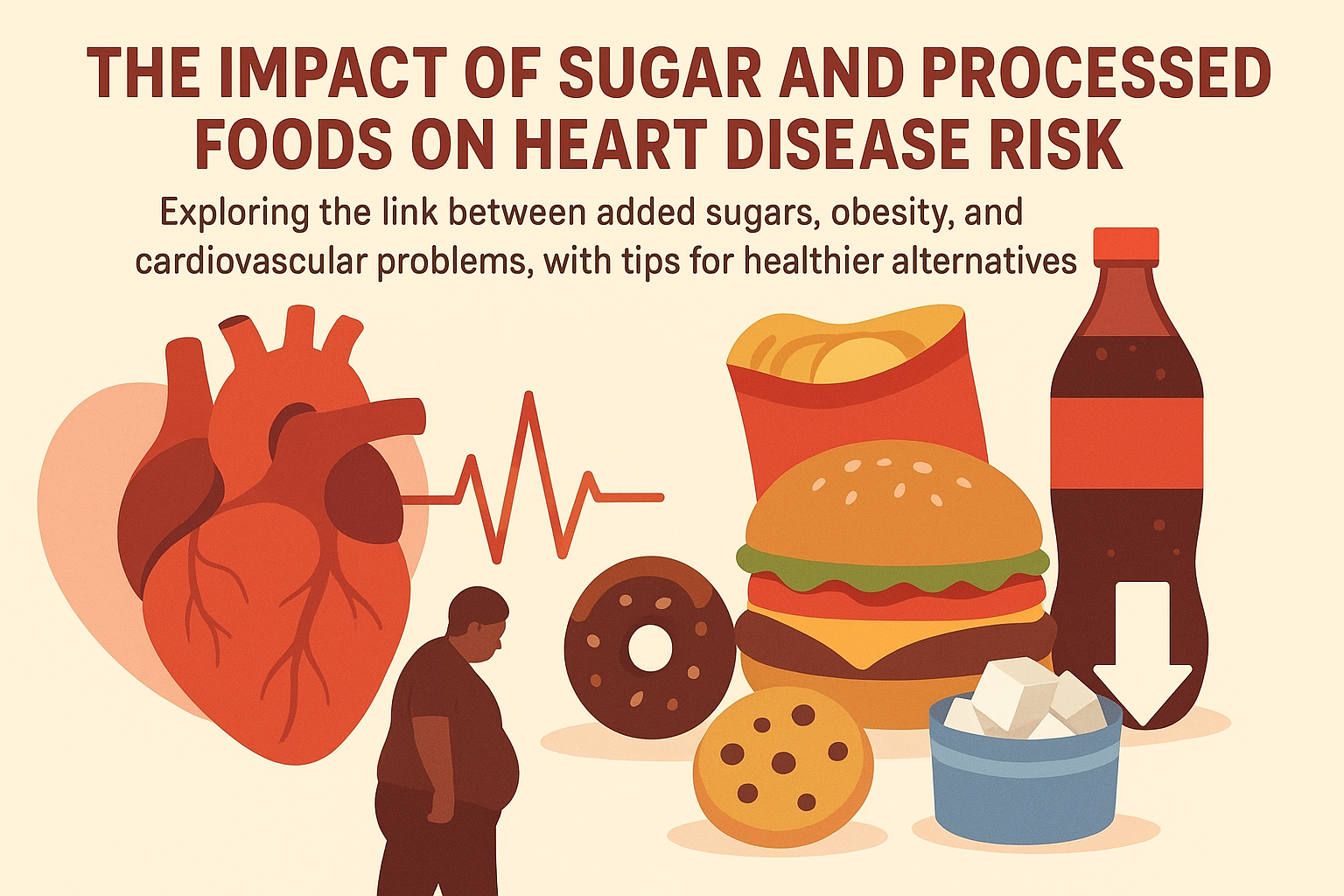
Why avoid: Packaged and ready-to-eat foods are the biggest hidden source of sodium in modern diets. Sodium raises blood volume and vascular resistance, pushing blood pressure up. Processed items also often contain added sugars and unhealthy fats.
Healthy swap: Choose fresh or frozen vegetables, homemade soups (low-sodium broth), and plain nuts. Read labels and aim for products labeled “low sodium” or containing less than 140 mg sodium per serving.
2. Canned soups, sauces and condiments
Why avoid: One bowl of regular canned soup can contain a large portion of a day’s recommended sodium. Condiments like soy sauce, ketchup, and salad dressings add sodium and sugar invisibly.
Healthy swap: Use no-salt or low-sodium broths and make sauces from fresh tomatoes, herbs, lemon, and garlic. Use balsamic vinegar or citrus for flavor instead of salty dressings.
3. Processed meats (bacon, ham, sausages, deli meats)
Why avoid: Processed meats are typically high in sodium and saturated fat — both harmful for blood pressure and cardiovascular risk. Frequent consumption is linked to higher incidence of hypertension and heart disease.
Healthy swap: Opt for lean unprocessed proteins: grilled fish, chicken breast, beans, lentils, or tofu. If you crave deli flavors, look for low-sodium, nitrate-free options and enjoy them rarely.
4. Fast food and takeout
Why avoid: Fast foods are engineered for taste — and that usually means very high salt, added sugar, and unhealthy fats. Even seemingly small items (a burger, fries, a milkshake) can push daily sodium and calorie limits far past recommended amounts.
Healthy swap: Cook at home with whole ingredients. If you must eat out, pick salads (watch the dressing), grilled proteins, and ask for sauces/dressings on the side. Avoid combo meals that include large fries and sugary drinks.
5. High-salt snacks (salted nuts, crisps, pretzels)
Why avoid: Snacks marketed as convenient or “heart-healthy” can still be sodium bombs. Regular snacking on salted products adds up quickly.
Healthy swap: Choose unsalted or dry-roasted nuts, air-popped popcorn with herbs, fresh fruit, or sliced veggies with hummus.
6. Fast-food style frozen meals & pizzas
Why avoid: Frozen entrées and pizzas are heavily processed and often loaded with sodium, preservatives, and saturated fats. They’re convenient but often incompatible with blood pressure goals.
Healthy swap: Make quick homemade flatbreads with whole-grain bases, tomato passata, veggies, and a sprinkle of low-fat cheese — or choose single-ingredient frozen fish/vegetables and pair with a salad.
7. Sugary drinks and high-sugar foods (sodas, sweetened juices, pastries)
Why avoid: Added sugar contributes to weight gain and insulin resistance; both are associated with higher blood pressure. Sugary beverages deliver calories fast and are linked to worse cardiovascular outcomes.
Healthy swap: Replace sodas and sweetened drinks with water, sparkling water with lemon, or unsweetened tea. For sweets, enjoy fresh fruit or small portions of dark chocolate.
8. Excessive alcohol
Why avoid: Drinking large amounts of alcohol raises blood pressure and can interfere with blood-pressure medications. Even regular moderate drinking may contribute to higher blood pressure in some people.
Healthy swap: Limit alcohol to the recommended guidelines (or avoid it entirely). If you drink, stick to small amounts and discuss safe limits with your healthcare provider.
9. Foods high in saturated and trans fats (fried foods, many commercially baked goods)
Why avoid: Saturated and trans fats worsen cholesterol profiles and promote atherosclerosis, which complicates blood-pressure control and increases heart disease risk. Commercial pastries, some margarines, and deep-fried foods are major sources.
Healthy swap: Cook with heart-healthy fats like olive oil, use baking or grilling instead of frying, and choose whole-food sources of fat such as avocados, nuts, and seeds.
10. Excessive caffeine (for sensitive individuals)
Why avoid (contextual): Caffeine causes a short-term blood pressure spike in some people — especially those who are caffeine-sensitive or who don’t consume it regularly. However, research suggests long-term habitual intake may not raise chronic blood pressure for most people. If caffeine seems to raise your readings, reduce or monitor intake and consult your clinician.
Healthy swap: Test your response: try switching to decaffeinated coffee or green/herbal teas and measure the effect on your blood pressure.
Practical tips: how to eat heart-healthy without feeling deprived
- Use the DASH plan as a template. The DASH (Dietary Approaches to Stop Hypertension) diet emphasizes fruits, vegetables, whole grains, lean protein, low-fat dairy, and limits sodium, added sugar, and red/processed meats. It’s evidence-based for lowering blood pressure.
- Aim for lower sodium targets. Many health authorities recommend aiming for ≤2,300 mg sodium/day, and for better blood-pressure control some people benefit from ≤1,500 mg/day. Reducing sodium by even a little can lower blood pressure.
- Read labels. “Low sodium” or “no added salt” are helpful phrases. Check the Nutrition Facts panel for sodium per serving and multiply by likely portion size.
- Increase potassium-rich foods. Potassium (in bananas, potatoes, spinach, beans) helps offset sodium’s effect on blood pressure. Unless you have a kidney condition, aim to include potassium-rich foods.
- Cook more, season smarter. Herbs, spices, garlic, citrus, and vinegar add flavor without sodium. Gradually reduce added salt so your taste preferences adjust.
- Limit ultra-processed foods. Recent research links high intake of ultra-processed foods to increased risk of hypertension. Choose whole foods whenever possible.
Quick meal ideas that strike the right balance
- Breakfast: Oatmeal topped with berries, a sprinkle of chopped nuts, and a dash of cinnamon.
- Lunch: Mixed greens with grilled salmon, quinoa, avocado, and lemon-olive oil dressing.
- Snack: Unsalted almonds and an apple.
- Dinner: Baked cod with roasted vegetables and a side of brown rice.
- Dessert: Fresh fruit salad or a small piece of dark chocolate.
When to talk to your healthcare provider
If you have hypertension or take blood-pressure medication, always discuss major diet changes with your clinician. Some changes — particularly large drops in sodium or increases in potassium — can interact with medications or be inappropriate in certain medical conditions (e.g., advanced kidney disease). Also, if you track home blood pressures and see unexpected changes after adjusting diet or caffeine/alcohol intake, consult your provider.
Final takeaway
Managing high blood pressure relies heavily on daily food choices. Avoiding high-sodium processed foods, processed meats, sugary drinks, excessive alcohol, and trans/saturated fats — while embracing whole fruits, vegetables, whole grains, lean protein, and potassium-rich foods — is a proven, sustainable strategy for lowering blood pressure and reducing cardiovascular risk. Small, consistent changes add up: swap one processed meal a day for a fresh option, cut back on salty snacks, and your blood pressure (and heart) will thank you.
Sources
- American Heart Association — “Shaking the Salt Habit to Lower High Blood Pressure” and related high-blood-pressure resources. www.heart.org
- Mayo Clinic — “DASH diet: Healthy eating to lower your blood pressure” and FAQ about caffeine & blood pressure. Mayo Clinic+1
- World Health Organization — “Healthy diet” and sodium/potassium guidance. World Health Organization
- NHS (UK) — “Salt in your diet” and guidance on salt consumption and blood pressure. nhs.uk
- National Heart, Lung, and Blood Institute (NHLBI), NIH — DASH Eating Plan overview. NHLBI, NIH
- Peer-reviewed and expert articles on ultra-processed foods and hypertension (American Heart Association journal and Medical News Today overview). ahajournals.org+1