Top 10 Healthy Drinks
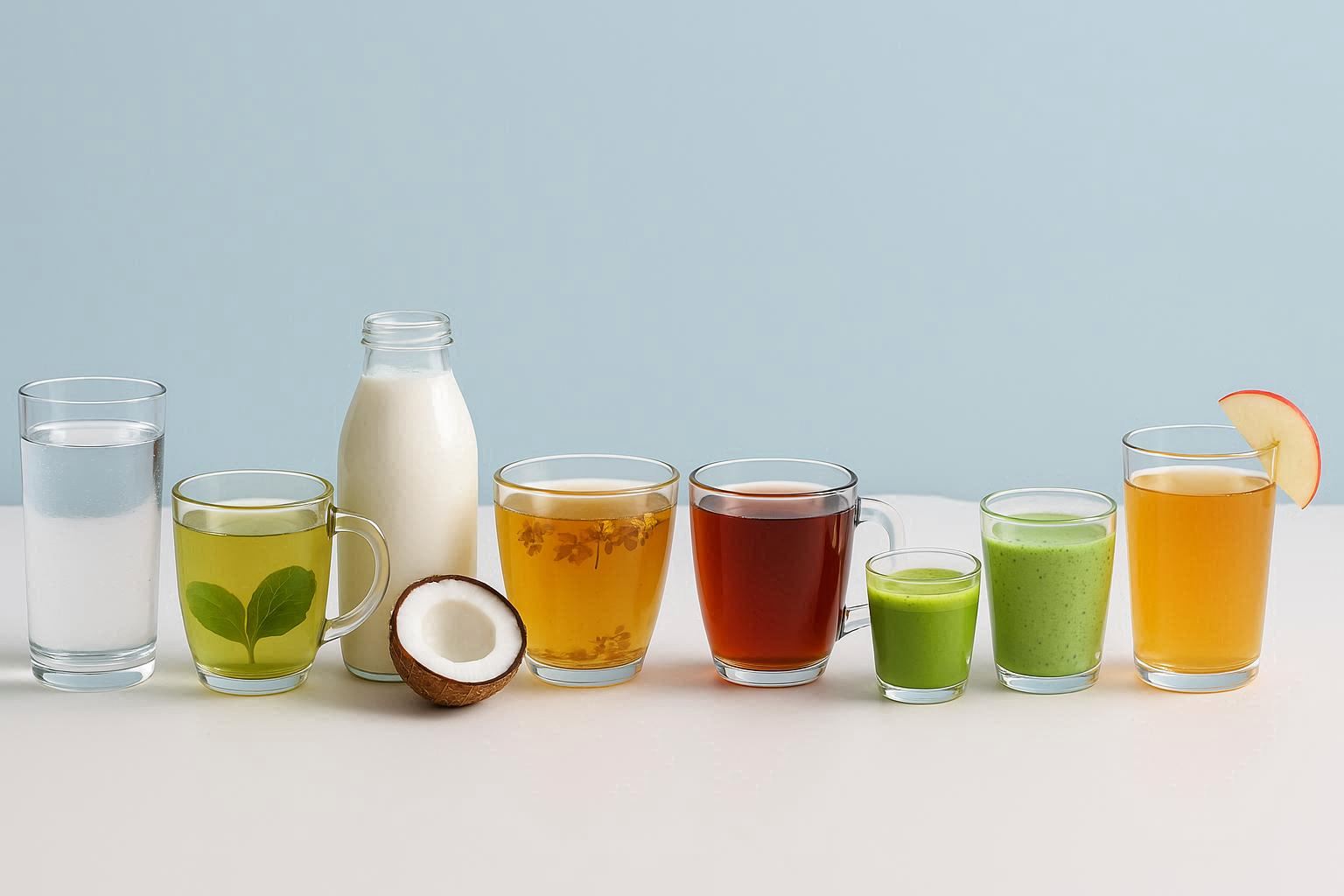
When we talk about “healthy drinks,” we usually mean beverages that hydrate well, provide nutrients or beneficial compounds, have relatively low sugar and harmful additives, and ideally offer additional health benefits (antioxidants, probiotics, etc.). Below are ten of the best, what they do, and how to use them.
1. Water
What it is: Plain water—tap, filtered, or bottled.
Benefits:
- Essential for nearly all bodily functions: digestion, nutrient transport, joint lubrication, thermoregulation.
- Hydration helps maintain healthy skin, energy levels, mood, and cognitive function.
- Replacing sugary drinks with water helps reduce calorie intake and risks associated with high sugar consumption.
Cautions:
- Overhydration is rare but can lead to electrolyte imbalance (hyponatremia).
- Quality matters: contaminated water is dangerous, so clean/filtered sources are important.
Tips:
- Aim for regular intake throughout the day, not waiting until thirsty.
- Use reusable bottles, carry with you.
- Flavor lightly (e.g. with lemon, herbs) if plain water is boring.
2. Green Tea
What it is: Tea made from the leaves of Camellia sinensis, minimally processed so many of its natural antioxidants are preserved.
Benefits:
- Rich in catechins, especially epigallocatechin‑3‑gallate (EGCG), which have anti‑oxidant and anti‑inflammatory effects.
- May help lower LDL (“bad”) cholesterol and total cholesterol, supporting cardiovascular health.
- Helps regulate blood sugar, improving insulin sensitivity in many studies.
- May contribute to lower risk of certain cancers, cognitive decline, and support brain health.
Cautions:
- Contains caffeine—can cause jitteriness, sleep issues in sensitive individuals.
- Drinking extremely large amounts or taking concentrated extracts may stress the liver in rare cases.
- Avoid too much sugar or additives that offset the benefits.
Tips:
- Drink 3‑5 cups per day can yield benefits, letting them steep 2‑3 minutes.
- Try matcha (whole leaf powder) for a stronger dose of beneficial compounds.
- Drink without milk or choose non‑dairy milk; milk may reduce some antioxidant absorption.
3. Coconut Water
What it is: Natural clear liquid inside young coconuts; sometimes packaged.
Benefits:
- Excellent hydration: contains electrolytes (potassium, sodium, magnesium) to help replenish fluids.
- Lowest in calories among many fruit juices; fat‑free, no cholesterol when unsweetened.
- May help with muscle function, reduce cramps.
- Can aid in kidney stone prevention (by promoting fluid intake and certain electrolyte balances).
Cautions:
- Contains natural sugars and can raise potassium; people with kidney disease or on potassium‑sparing medications should check with doctor.
- Some commercial coconut water has added sugars or flavors—read labels.
Tips:
- Use as post‑workout drink or during heat‑exposure rather than overconsuming.
- Choose pure, unsweetened versions.
- Store properly (refrigerated once opened).
4. Kefir
What it is: A fermented drink traditionally made with milk (cow, goat, or other), using “kefir grains” (bacteria + yeast cultures). There are also non‑dairy versions.
Benefits:
- Rich source of probiotics supports gut health, may help repair or maintain the intestinal lining.
- Nutrient dense: provides calcium, vitamin B12, phosphorus, riboflavin, vitamin D (depending on variety).
- Helps with bone health, possibly reducing risk of osteoporosis.
- May help manage blood sugar, improve lipid profile, assist with digestive conditions.
Cautions:
- Some people are lactose intolerant; although fermentation reduces lactose, reactions can still occur with dairy‑based kefir.
- Store it properly; raw or home‑made kefir must be handled hygienically.
- Watch out for sugar in flavored kefirs which may reduce benefits.
Tips:
- Start with small amounts if new to fermented foods.
- Plain kefir is better; you can flavor it yourself with fruit or natural sweeteners.
- Try non‑dairy kefir if avoiding dairy.
5. Herbal Teas (Tisanes)
What they are: Teas made from herbs, flowers, roots, etc. (like chamomile, peppermint, hibiscus), not from Camellia sinensis.
Benefits:
- Caffeine‑free (most of them), making them good for evening.
- Depending on the herb: anti‑inflammatory, soothing for digestion (peppermint), calming/sedative effects (chamomile), blood pressure support (hibiscus), etc.
- Antioxidants present; certain herbal teas have shown benefit in reducing oxidative stress.
Cautions:
- Some herbal teas may interact with medications.
- Some people can be allergic to certain herbs.
- Quality matters (contaminants, whether the teas are pure).
Tips:
- Look for organic, loose leaf or well‑sourced tea.
- Steep properly to avoid bitterness or loss of compounds.
6. Black Tea / Oolong / White Tea
These are all variants from the tea plant, processed differently.
Benefits:
- Black tea has theaflavins and other polyphenols that support heart health, cholesterol, blood vessel function.
- Oolong is somewhere between green and black in oxidation; offers many similar benefits.
- White tea is less processed, may retain more delicate antioxidants.
Cautions:
- Caffeine content: can interfere with sleep, cause jitters.
- Adding sugar/milk can reduce benefits.
Tips:
- Varying types of tea can be good (green, black, white) to get broad spectrum of phytonutrients.
- Limit caffeine especially in the afternoon/evening.
7. Matcha
What it is: A powdered, finely ground whole green tea leaf, traditionally used in Japanese tea ceremonies.
Benefits:
- Because you consume the whole leaf, matcha provides more concentrated antioxidants (including EGCG) than brewed green tea.
- Offers calm alertness: combining caffeine with L‑theanine gives energy but with less of the “jittery” effect.
- May support weight loss (slightly), improved focus, cardiovascular health.
Cautions:
- Very high in caffeine for some people, depending on serving size.
- Poor quality matcha may have impurities or be mixed with lower quality leaf.
- Can be expensive.
Tips:
- Choose “ceremonial grade” if using as drink (for flavor, purity).
- Use small amounts (¼‑½ tsp) in drinks, smoothies, lattes.
- Avoid over‑roasting or overheating to preserve delicate compounds.
8. Vegetable and Fruit‑Based Smoothies (Whole Fruit / Veg + Water or Non‑Dairy Base)
What they are: Blends of whole fruits or vegetables, often with water, leafy greens, nuts, seeds, non‑dairy milks, etc.
Benefits:
- Provide fiber (when using whole fruit/veg), vitamins, minerals, phytochemicals.
- Can be a nutrient‑dense meal or snack, especially good if diet lacks variety.
- When made with vegetables, can reduce sugar load compared to fruit juice alone.
Cautions:
- Easy to overdo calories if adding lots of high‑sugar fruits, sweeteners, nut butters etc.
- If blending too much fruit juice (rather than whole fruit), sugar spikes can occur.
Tips:
- Include more vegetables (leafy greens, cucumbers, etc.) to lower sugar.
- Use unsweetened or lightly sweet non‑dairy milks or water.
- Be mindful of portion size.
9. Apple Cider Vinegar Drinks
What it is: Diluted apple cider vinegar (ACV), often with water, sometimes with added flavors like honey or lemon.
Benefits:
- ACV contains acetic acid, which has been shown in studies to help lower blood sugar levels and improve insulin sensitivity.
- May support modest weight loss (by increasing satiety).
- Some antibacterial and antioxidant effects; may help gut health.
Cautions:
- Very acidic: can erode tooth enamel, irritate throat and stomach lining. Always dilute.
- May interact with medications (diuretics, insulin etc.).
- Not a substitute for medical treatments for any condition.
Tips:
- Typical safe dosage is 1‑2 tablespoons per day diluted in a large glass of water.
- Consume with food, not on an empty stomach if sensitive.
- Use a straw, rinse mouth afterward, avoid brushing teeth immediately after to protect enamel.
10. Low‑Sugar Vegetable Juice / Tomato Juice
What it is: Juices made primarily from vegetables (e.g. tomato, carrot, cucumber, leafy greens), possibly mixed with some fruit for flavor.
Benefits:
- Provides vitamins (like vitamin A, C), minerals, antioxidants, lycopene (in tomato) which help reduce oxidative stress and may protect heart health.
- Low in sugar compared to fruit juices, so better for blood sugar control.
- Helps increase vegetable intake for people who struggle to eat enough whole vegetables.
Cautions:
- Store‑bought juices may have added salt or sugar—read labels.
- Loss of fiber compared to eating whole vegetables.
- Oxidation: vitamin content may degrade after juicing; fresh is better.
Tips:
- Make at home when possible.
- Add a little healthy fat (e.g. olive oil, avocado, nuts) to help absorb fat‐soluble vitamins (A, K).
- Drink fresh, avoid long storage or those with preservatives.
Putting It Together: Practical Advice
- Balance: No single drink is a magic bullet. A variety helps get different nutrients.
- Mind Sugar & Additives: Many “healthy” beverages get undone by the sugar, artificial sweeteners, or heavy cream etc.
- Quality over Quantity: Better to have smaller amounts of a high‑quality drink than large amounts of one full of fillers.
- Time of Day Matters: For example, avoid caffeine late in the day; drinks that soothe digestion are nice after meals; smoothies or protein‑rich drinks in morning.
- Personal Needs & Conditions: What’s healthy depends on your health status, medications, allergies, kidney function etc. Always adjust accordingly.
Sample Daily Drink Plan
Here’s how someone might incorporate several of these drinks into a day:
- Morning: Warm water (plain) + a slice of lemon → then a cup of green tea.
- Mid‑morning snack: Plain kefir with fresh fruit or a small vegetable smoothie.
- Lunch: Water + vegetable juice or tomato juice.
- Afternoon: Matcha latte (unsweetened or lightly sweetened) or herbal tea if caffeine‑sensitive.
- Post‑workout / after heat exposure: Coconut water.
- Evening: Herbal tea (chamomile, rooibos etc.) or diluted apple cider vinegar drink just with water (if it agrees with you).
Conclusion
Including more of these healthy beverages in your diet can help with hydration, gut health, heart health, blood sugar control, and more. The key is moderation, using quality sources, and combining with a balanced diet and lifestyle.
Sources
- Healthline. “6 Proven Health Benefits of Apple Cider Vinegar.” Healthline
- WebMD. “Apple Cider Vinegar: Benefits, Risks, and Uses.” WebMD
- Healthline. “9 Evidence‑Based Health Benefits of Kefir.” Healthline
- Cleveland Clinic. “What are the health benefits of green tea.” Verywell Health+1
- WebMD. “Coconut Water: Health Benefits, Nutrition and Uses.” WebMD
- Cleveland Clinic. “6 Health Benefits of Coconut Water.” Cleveland Clinic
- Health.com. “Kefir: Benefits, Nutrition, and Uses.” Health
- Healthline / WebMD (various articles on green tea, matcha, herbal teas).
- Various studies summarizing benefits of vegetable juices, tomato juice, etc.