
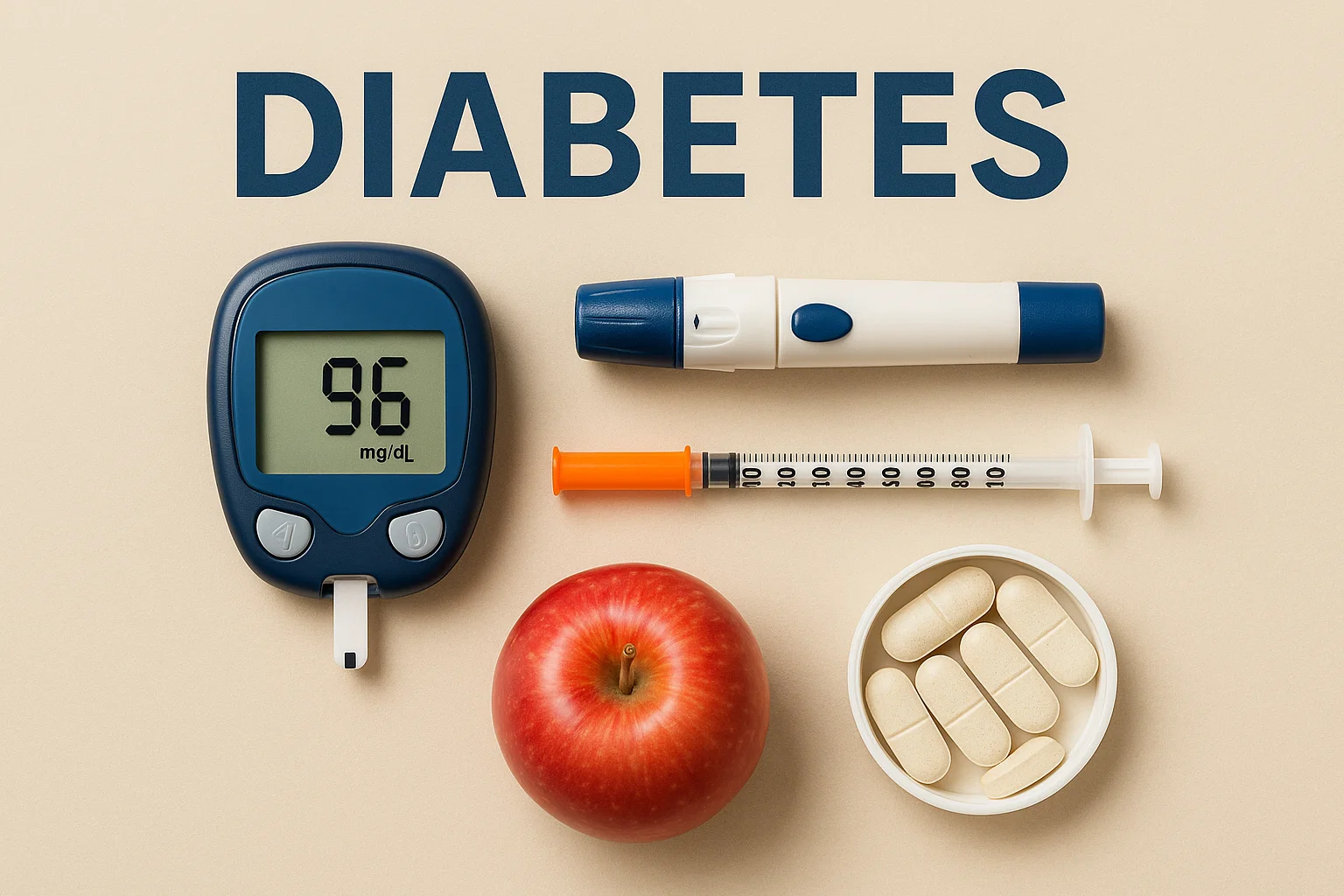
Introduction
Diabetes mellitus is a chronic metabolic disorder characterized by high blood glucose levels due to the body’s inability to produce or effectively use insulin. According to the World Health Organization (WHO), over 422 million people worldwide are living with diabetes, and this number continues to rise steadily. While diabetes can be a life-altering diagnosis, managing it effectively is entirely possible with a combination of medical treatment, a balanced diet, regular physical activity, and healthy lifestyle choices.
This comprehensive article aims to provide in-depth, evidence-based guidance on the most suitable lifestyle for diabetic patients, helping them manage their condition and lead a healthier, more fulfilling life.
Understanding Diabetes
There are three main types of diabetes:
- Type 1 Diabetes – An autoimmune condition where the immune system attacks insulin-producing cells in the pancreas. It usually develops in childhood or adolescence and requires lifelong insulin therapy.
- Type 2 Diabetes – A metabolic disorder in which the body becomes resistant to insulin or doesn’t produce enough. It is the most common type and is often related to lifestyle factors like obesity and inactivity.
- Gestational Diabetes – Develops during pregnancy and typically resolves after childbirth, but it increases the mother’s risk of developing Type 2 diabetes later.
Regardless of the type, the primary goal of diabetes management is maintaining blood glucose levels within a healthy range to avoid complications such as cardiovascular disease, kidney failure, vision loss, and neuropathy.
1. Nutrition: The Foundation of Diabetic Lifestyle Management
A healthy diet is essential in managing diabetes. The aim is to regulate blood sugar, maintain a healthy weight, and support overall well-being.
A. Macronutrient Balance
- Carbohydrates: Choose complex carbs such as whole grains, legumes, vegetables, and fruits. These digest slowly and help prevent blood sugar spikes. Limit refined carbs like white bread, pastries, and sugary drinks.
- Proteins: Incorporate lean protein sources such as chicken, turkey, fish, tofu, eggs, and legumes to help maintain muscle mass and stabilize blood sugar.
- Fats: Favor healthy fats from avocados, nuts, seeds, and olive oil. Avoid trans fats and limit saturated fats to reduce cardiovascular risk.
B. Glycemic Index Awareness
The Glycemic Index (GI) measures how quickly a food raises blood glucose. Diabetic patients should focus on low to medium GI foods, which provide a gradual release of glucose.
C. Meal Planning Tips
- Eat smaller, frequent meals to avoid blood sugar fluctuations.
- Combine carbohydrates with proteins and fats to slow absorption.
- Count carbohydrates and use tools like carb exchanges or plate methods.
- Stay hydrated and limit sugary beverages.
D. Foods to Include and Avoid
Include:
- Leafy greens (spinach, kale)
- Whole grains (brown rice, oats)
- Berries and apples
- Fatty fish (salmon, sardines)
- Greek yogurt
- Legumes
Avoid or Limit:
- Sugary snacks (candies, cakes)
- White bread, pasta, and rice
- Processed foods
- Sweetened beverages
- Fried foods
2. Physical Activity: A Natural Insulin Sensitizer
Regular exercise helps increase insulin sensitivity, lower blood glucose, and improve cardiovascular health.
A. Recommended Exercise Routine
- Aerobic Exercise: Brisk walking, cycling, swimming, or dancing for 150 minutes per week.
- Resistance Training: At least 2 sessions per week including bodyweight exercises or weight lifting.
- Flexibility & Balance: Yoga or tai chi to enhance coordination and reduce stress.
B. Tips for Exercising with Diabetes
- Monitor blood sugar before and after workouts.
- Keep a fast-acting carbohydrate snack handy to prevent hypoglycemia.
- Stay hydrated.
- Wear proper footwear to prevent injuries, especially for those with neuropathy.
3. Weight Management
Maintaining a healthy weight is particularly important for Type 2 diabetics, as excess weight, especially abdominal fat, increases insulin resistance.
- Aim for a modest weight loss of 5–10% to see significant improvement in blood sugar control.
- Combine dietary adjustments with physical activity.
- Consider behavioral strategies like journaling, goal setting, and working with a dietitian or diabetes educator.
4. Medication and MonitoringLifestyle modifications must go hand-in-hand with prescribed treatments.
A. Blood Glucose Monitoring
- Type 1 diabetics may need frequent glucose checks, especially before and after meals and physical activity.
- Type 2 diabetics should monitor based on physician recommendations.
B. Medications and Insulin Therapy
- Type 1 Diabetes: Requires insulin therapy (basal and bolus insulin).
- Type 2 Diabetes: May use oral medications like metformin, SGLT2 inhibitors, GLP-1 receptor agonists, or insulin in advanced cases.
Patients should adhere strictly to their prescribed regimen and never alter medication without consulting their doctor.z
5. Stress Management
Stress raises blood sugar levels through the release of cortisol and adrenaline. Long-term stress can hinder diabetes control.
Techniques to Manage Stress:
- Mindfulness meditation
- Yoga and deep breathing exercises
- Adequate sleep (7–9 hours per night)
- Spending time in nature or engaging in hobbies
- Support groups or therapy
6. Sleep Hygiene
Poor sleep is linked to impaired insulin sensitivity and increased hunger hormones.
Tips for Better Sleep:
- Maintain a consistent sleep schedule.
- Avoid caffeine or heavy meals before bedtime.
- Reduce screen time before sleep.
- Create a dark, cool, quiet sleep environment.
7. Avoiding Risky Habits
Smoking and Alcohol
- Smoking increases the risk of heart disease, stroke, and kidney damage in diabetics. Quitting smoking is a top priority.
- Alcohol should be consumed in moderation, if at all, and only with food. It can interfere with blood sugar control and medication effects.
8. Foot Care
Diabetes can cause neuropathy and poor circulation, increasing the risk of foot ulcers and infections.
Foot Care Tips:
- Inspect feet daily for cuts, blisters, or swelling.
- Wash feet daily and keep them dry, especially between toes.
- Wear well-fitted shoes and socks.
- Avoid walking barefoot.
- Visit a podiatrist regularly.
9. Regular Medical Check-Ups
Comprehensive diabetes care involves multiple health professionals.
- HbA1c Test: Every 3–6 months to assess long-term glucose control.
- Lipid Panel: To monitor cholesterol.
- Kidney Function Tests: Annually.
- Eye Exams: At least once a year to check for diabetic retinopathy.
- Dental Visits: Every 6 months, as high blood sugar increases risk of gum disease.
10. Social and Emotional Support
Living with diabetes can be emotionally taxing. Support from family, friends, and healthcare teams is essential.
- Join diabetes support groups (in-person or online).
- Seek professional help if experiencing burnout, anxiety, or depression.
- Educate family members to recognize signs of hypoglycemia or emergencies.
Conclusion
Diabetes is a lifelong condition, but it does not have to control your life. With consistent, informed decisions regarding diet, physical activity, medication, and emotional well-being, diabetic patients can live full, active, and healthy lives. The key is personalized management, regular monitoring, and ongoing support. By adopting a lifestyle that promotes balance, prevention, and resilience, individuals with diabetes can not only manage the condition but thrive despite it.
Sources
- World Health Organization (WHO) – Diabetes: https://www.who.int/news-room/fact-sheets/detail/diabetes
- American Diabetes Association (ADA) – Standards of Medical Care in Diabetes 2024: https://diabetes.org
- Centers for Disease Control and Prevention (CDC) – Managing Diabetes: https://www.cdc.gov/diabetes/managing/index.html
- Harvard Health Publishing – Eating well with diabetes: https://www.health.harvard.edu/diseases-and-conditions/eating-well-with-diabetes
- Mayo Clinic – Diabetes Lifestyle and Home Remedies: https://www.mayoclinic.org/diseases-conditions/diabetes/in-depth/diabetes-management/art-20047963
- National Institute of Diabetes and Digestive and Kidney Diseases (NIDDK): https://www.niddk.nih.gov
- Joslin Diabetes Center – Diabetes and Exercise: https://www.joslin.org/patient-care/diabetes-education/exercise
- Diabetes UK – Emotional Well-being and Diabetes: https://www.diabetes.org.uk/guide-to-diabetes/emotions
- Sleep Foundation – Sleep and Diabetes: https://www.sleepfoundation.org/diabetes
- National Diabetes Education Program – Taking Care of Your Diabetes: https://www.ndep.nih.gov