
In our quest for a longer, healthier life, the field of longevity science offers both motivations and evidence-based strategies. While many hope for a “fountain of youth,” the truth is more nuanced: it is not about eternal life, but extending the healthspan—the years lived in good health—along with lifespan. Here’s how the science of longevity breaks down, and what you can do to maximize your years of vibrant living.
1. Understanding Longevity and Healthspan
Longevity refers to the total number of years a person lives, while health span refers to the number of those years spent in good health, free from chronic disease and major disability.
Research shows that genetics contribute only a minority of your lifespan—something like ~20–30%—while lifestyle, environment, and behavior account for the rest.
What’s promising is that science is not just studying how long people live, but how well they do so. Studies of “exceptional survivors”—those who reach very old age while remaining active and healthy—suggest the presence of protective genetic and environmental factors.
At the biological level, aging is increasingly seen as the accumulation of molecular damage, epigenetic alterations, telomere shortening, and declining repair and maintenance systems.
Key takeaway: You may not control your genes, but you can strongly influence your health span by how you live—and science supports that.
2. What the Research Says: Lifestyle & Behaviour
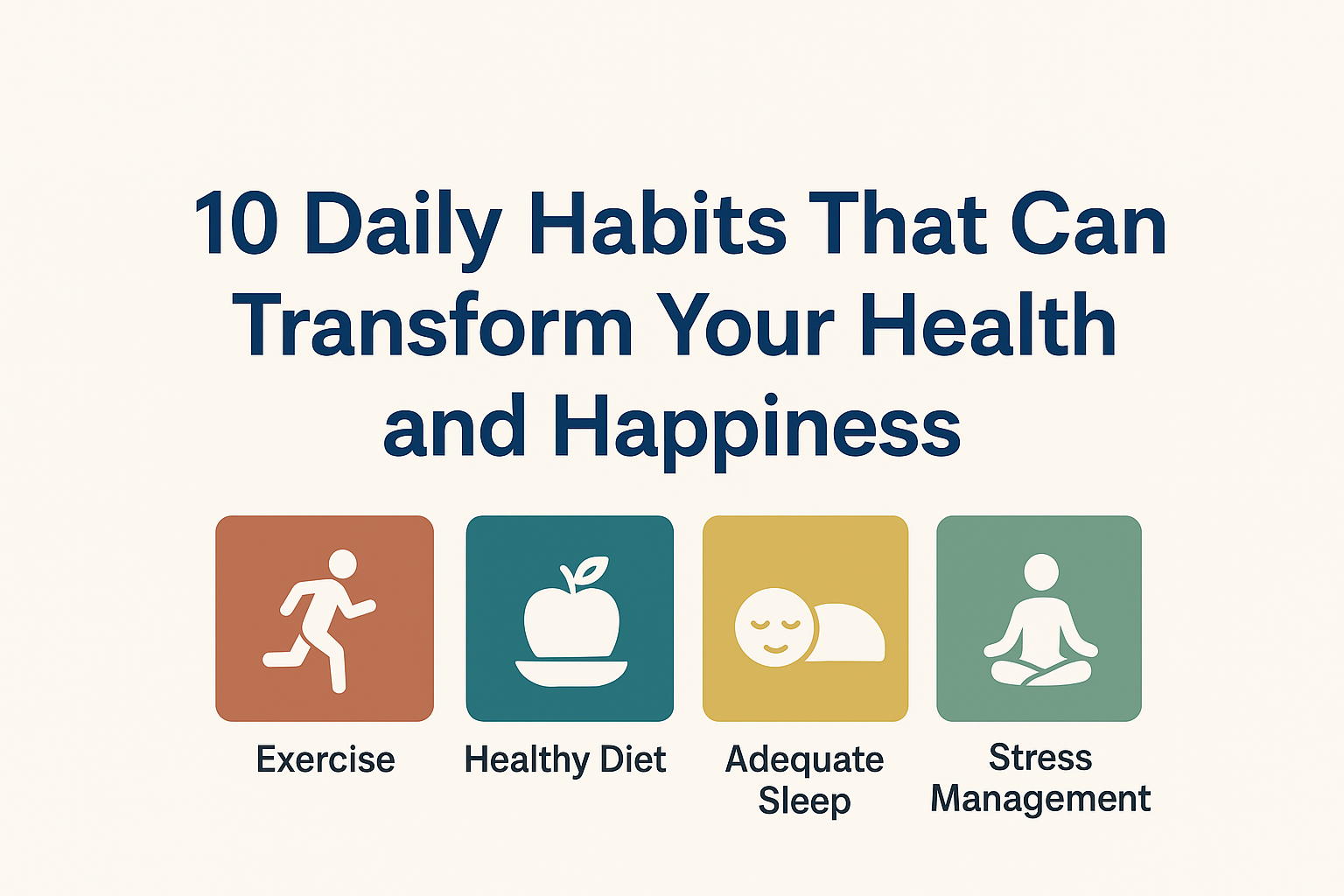
Several major bodies of research converge on a set of lifestyle habits that reliably correlate with longer, healthier lives.
Diet and Nutrition
The type of diet matters. A nutrient-dense approach, abundant in fruits, vegetables, whole grains, nuts, healthy oils, moderate fish, and low in processed foods and red meats, shows protective associations. Research from the famed Harvard T.H. Chan School of Public Health suggests that diet, along with exercise and lifestyle, plays a key role in reaching advanced age while maintaining good health.
Physical Activity
Physical movement is one of the most powerful “bio-hacks” for longevity. Studies show that engaging in regular aerobic and some vigorous activity reduces all-cause mortality significantly. For instance, one large study found that people exercising two to four times above minimum recommendations had 26–31% lower risk of death from all causes. Even moderate amounts count: one review noted that just 15 minutes a day of low-intensity exercise was linked with ~3 extra years of life.
Avoiding Harmful Habits
One of the simplest and most impactful decisions: don’t smoke. Studies show that smoking dramatically increases the risk of early death. Maintaining a healthy body weight is also strongly tied to longevity—keeping BMI under ~25 was a protective factor in one study.
Sleep, Stress, and Mindset
Good quality sleep, stress management, and psychological wellbeing also play surprisingly large roles. Chronic stress and inadequate sleep promote inflammation, metabolic dysfunction, and can shorten lifespan. Meanwhile, optimistic people tend to live longer—one study found optimists had on average 11-15% longer lifespans than pessimists.
Social Connection and Purpose
Humans are social by nature, and research consistently finds that strong social networks, meaningful relationships, and a sense of purpose correlate with longer life.
3. Emerging Science: What’s On the Horizon
The science of longevity is rapidly evolving. Beyond lifestyle, researchers are delving into deeper biological mechanisms and interventions.
Biological Clocks & Repair Mechanisms
One line of research is measuring “biological age”—how old the body is at a cellular/organ level rather than chronological years.
Epigenetic mechanisms, DNA repair, telomere dynamics, metabolic pathways (such as mTOR, AMPK) are key areas of focus.
Medicine & Personalized Nutrition
Longevity medicine is emerging as a field that emphasizes prevention, early detection, and personalized approaches based on one’s biology, genomics, and lifestyle. Personalized nutrition—recognizing that different people respond differently to the same foods—is also a trend.
Limits to Lifespan?
Some recent research suggests that there might be a ceiling to human lifespan, or at least that progress in raising the maximum lifespan has slowed. That means the focus might shift from just “more years” to “better years” (healthspan).
Key takeaway: While superb progress is underway, the most reliable gains right now still come from everyday habits rather than futuristic drugs.
4. Putting It Into Practice: A Longevity Blueprint
Here is a practical overview of what you can do to live longer and healthier, inspired by the science.
1. Move regularly and meaningfully
Even moderate movement like brisk walking ~150 minutes/week is good. If you can go higher (300-600 minutes/week or mix in vigorous exercise) you’ll get more benefit. Include strength training, balance, and flexibility. Physical activity supports muscle mass, metabolism, cardiovascular health.
2. Follow a nutrient-rich diet
Focus on whole, minimally processed foods: vegetables, fruits, beans/legumes, whole grains, nuts, olive oil, fish, moderate red meats. Limit processed sugar, refined carbs, excess alcohol. This aligns with Mediterranean-style diets shown to support longevity.
3. Avoid smoking; maintain healthy weight
If you smoke, quit. If you’re overweight, adopt healthy weight management through diet, exercise, sleep. A weight-status in the healthy BMI zone correlates with longer life.
4. Prioritize sleep and stress management
Aim for consistent, sufficient sleep (often 7-9 hours for adults), and adopt strategies to manage stress: mindfulness, social support, hobbies, meaningful activities. These reduce wear and tear on body systems.
5. Cultivate strong social ties and purpose
Stay connected with friends, family, community. Find your “why”—something that gives meaning. Research from longevity hubs shows that a sense of purpose may extend life by several years.
6. Regular health check-ups & early detection
Don’t wait. Screening, managing risk factors (blood pressure, cholesterol, blood sugar), and preventive care count. Early detection prevents small issues from becoming major.
7. Adopt a mindset of lifelong healthy habits
It’s never too late to start. Studies show it doesn’t matter only what you’ve done until now: making positive changes later still yields measurable benefits.
5. Special Considerations & Caveats
- Genetics matter—but not completely: While your genes play a role, many findings suggest that lifestyle dominates for most of one’s life.
- Not all “centenarian tips” apply broadly: Some extremely long-lived people reached advanced age partly due to unusual genetics or luck. One expert warned that emulating centenarians may be less effective than focusing on evidence-based habits.
- Quality of life counts as much as quantity: Simply living longer without health is not the goal. That’s why health span (living healthy) is more meaningful than lifespan (just living longer).
- There may be upper limits: Some research suggests human lifespan may plateau unless new technologies intervene.
- Beware over-emphasis on expensive interventions: While future anti-aging drugs are promising, the most reliable benefits today are from proven lifestyle changes.
6. Why It Matters – The Big Picture
Longer, healthier lives matter for individuals, families, communities, and societies. Imagine not just adding years, but adding years with vitality, independence, and engagement.
- For you: Greater independence, reduced disease burden, better cognitive health, a more fulfilling later life.
- For those around you: Lower care burdens, fewer chronic-disease costs, more meaningful time with loved ones.
- For society: Healthier aging populations mean less strain on healthcare systems, more productivity, reduced public health costs.
By focusing on healthspan-extending behaviours now, you’ll likely gain both years of life and life in years.
Conclusion
The science of longevity offers a clear message: Your lifespan is not fixed by birth. While you may not have complete control over every factor, a substantial portion of how long and how well you live comes down to choices you make daily. By moving your body, eating well, maintaining healthy weight, sleeping well, building supportive relationships, managing stress, and embracing purpose—you are investing in both more years and better years.
Start today. Because every year you build healthy habits is another year you invest in your future self. And that future self will thank you.
Sources
- National Institute on Aging: Longevity topic overview.
- Harvard Health Publishing: Longevity lifestyle strategies.
- SoLongevity: The science of longevity—what we know.
- PMC article: Secrets of healthy aging and longevity.
- National Geographic: 7 simple science-backed rules for living longer.
- Johns Hopkins Medicine: 4 top ways to live longer.
- Columbia Public Health News: What science says about longevity.
- MedlinePlus Genetics: Is longevity determined by genetics?
- InsideTracker: 8 recent trends in longevity research.
- AARP: 25 science-based ways to help you live longer.
- Scientific American: Human longevity may have reached its upper limit.
- Yale Medicine Magazine: Longevity decoded—seven keys to healthy aging.
- Online Aging resource: Exploring the factors that affect human longevity.