15 Foods That May Help Fight Cancer
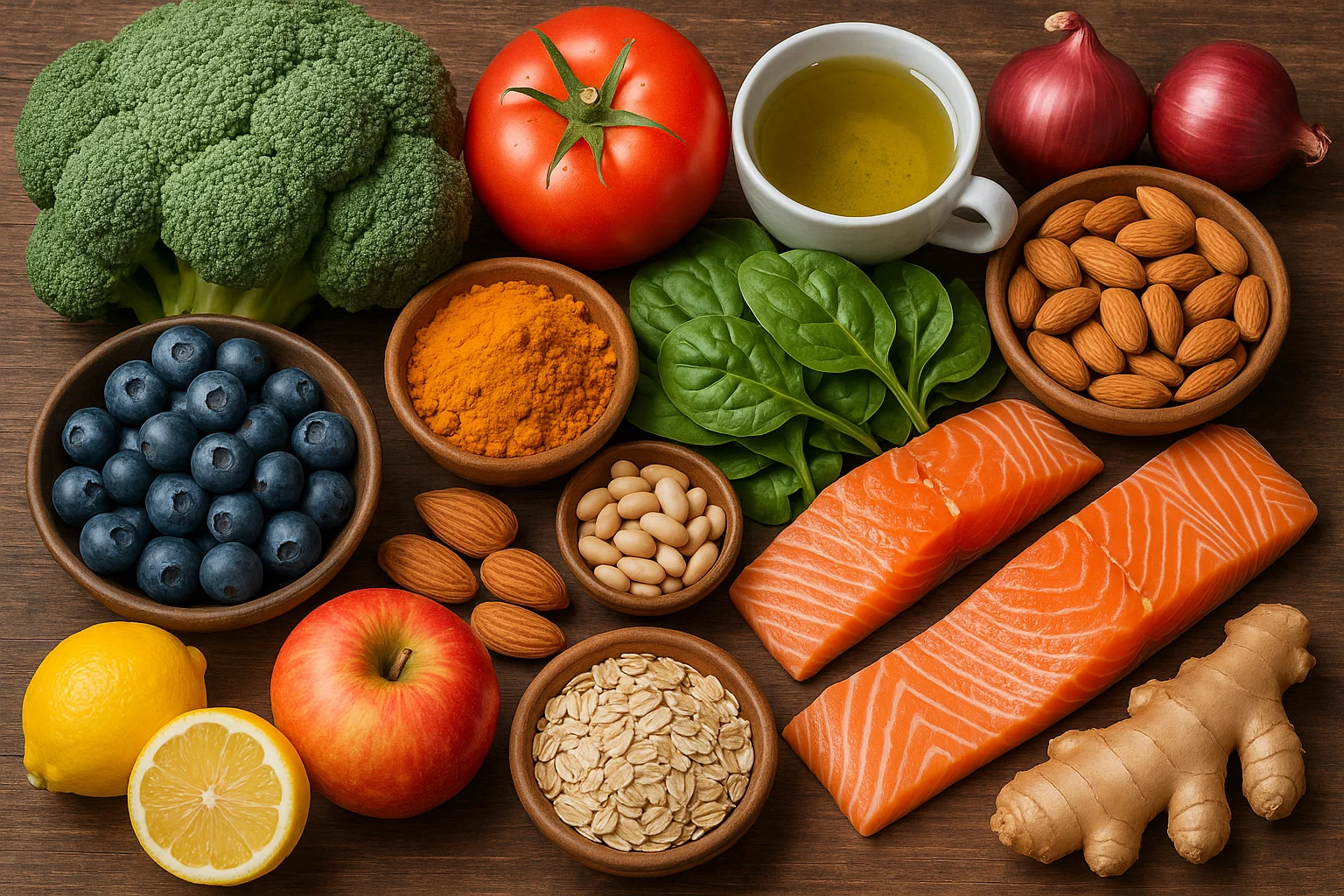
Cancer is a complex disease with many causes: genetics, lifestyle, environment, infections, diet, etc. No single food cures cancer, but many foods contain nutrients and bioactive compounds that may help reduce the risk, slow progression, or support overall health. Evidence comes from laboratory studies, animal models, observational epidemiology, and in some cases human trials. Here are 15 foods (or food groups) with promising evidence, along with practical ways to include them in a healthy diet.
| # | Food / Food Group | Active Components & Mechanisms | Evidence Summary | How to Use |
|---|---|---|---|---|
| 1 | Cruciferous Vegetables (e.g. broccoli, cauliflower, kale, Brussels sprouts) | Contain glucosinolates → converted to isothiocyanates (e.g. sulforaphane), indoles. These compounds can enhance detoxification of carcinogens, reduce inflammation, modulate cell cycle, induce apoptosis (cell death) of abnormal cells. | Multiple observational studies and lab research. For example, a review showed 3‑5 servings/week may have cancer‑preventive effects. Medications mimic some of these mechanisms. | Steam or lightly cook (steaming keeps more glucosinolates), include raw in salads, mix into stir fries, soups. Rotate varieties so you get different ones. |
| 2 | Berries (strawberries, blueberries, raspberries, blackberries, etc.) | Rich in vitamins (C, E), fiber, polyphenols like flavonoids, anthocyanins, ellagic acid. These act as antioxidants, reduce oxidative DNA damage, may inhibit tumor growth and metastasis. | Animal and observational human studies show associations between berry intake and lower risk of colon, mouth, esophageal, breast cancers. Some small human interventions. | Eat fresh, frozen, or dried berries. Add to breakfast (yogurt, oats), smoothies, desserts. Even small daily serving can help. |
| 3 | Tomatoes / Tomato Products | Lycopene (a carotenoid) is more bioavailable in cooked/processed tomato forms. Lycopene has antioxidant properties, may reduce risk especially for prostate, lung, stomach, and digestive tract cancers. | A recent meta‑analysis of many prospective cohort studies found that higher dietary and blood lycopene levels were associated with ~5‑11% lower overall cancer risk, and lower mortality. Also reduced risk of prostate cancer and lung cancer mortality. | Use tomato sauces, cooked tomatoes, tomato paste; pair with a little healthy fat (olive oil) to enhance absorption. Include raw tomatoes too. Try soups, stews, pasta sauces. |
| 4 | Garlic & Other Allium Vegetables (onions, leeks, shallots) | Contains sulfur compounds (allicin, diallyl sulfides) that may have anti‑tumor effects, enhance detox enzymes, reduce inflammation, induce apoptosis. | Meta‑analyses show that higher consumption of garlic is associated with reduced risk of gastric cancer and colorectal cancers. One meta‑analysis found garlic consumption lowered risk of gastrointestinal cancers significantly. | Use raw garlic (crushed, chopped) where possible; cook lightly to preserve some compounds. Add to dressings, sauces, stir‑fries. Rotate onions, leeks, garlic. |
| 5 | Green Tea | Rich in catechins (esp. EGCG), polyphenolic antioxidants. May reduce tumor formation, reduce blood vessel growth (anti‑angiogenesis), induce apoptosis. | Animal and in vitro studies show green tea catechins inhibit growth of breast cancer xenografts in mice. Observational studies link higher tea intake with reduced risk of some cancers. | Drink green tea regularly (1‑3 cups/day). Avoid adding sugar. Use whole leaves or good quality tea. Also enjoy cold infusions in warm climates. |
| 6 | Leafy Green Vegetables (spinach, kale, chard, collards, etc.) | High in vitamins A, C, K, folate; phytonutrients; antioxidants; fiber. Folate is important in DNA synthesis and repair. Antioxidants reduce oxidative damage. | Observational studies consistently find that diets high in leafy greens are associated with lower risk of cancers of the digestive tract, lung, breast. Part of many “cancer prevention” diet guidelines. | Add to salads, smoothies, soups. Light sauté with garlic, use as wraps. Mix different greens to vary flavors and nutrients. |
| 7 | Legumes (beans, lentils, peas, soy) | High fiber, protein, many phytochemicals (saponins, protease inhibitors, isoflavones in soy), low in fat. Fiber helps with bowel health, reduce contact time of potential carcinogens. | Studies show people who eat more legumes have reduced colorectal cancer risk; some findings for prostate, breast risk modification with soy isoflavones. | Include beans in stews, salads, soups; use lentils in curries. Try soy products in moderation. Rotate different legumes. |
| 8 | Nuts & Seeds (e.g. walnuts, almonds, flaxseed, chia) | Healthy fats, especially omega-3 (in some), fiber, antioxidant phytochemicals, lignans (especially in flaxseed) which may modulate hormone‑related cancers, improve immune function. | Observational human studies show that regular nut consumption is associated with decreased risk of colorectal, pancreatic, endometrial cancers. Flaxseed specifically has been shown to reduce tumor growth in breast and prostate cancers. | Eat a handful of nuts several times per week. Use ground flaxseed (so it’s digestible) in baking or smoothies. Mix seeds into cereals or yogurt. Avoid salted or heavily processed forms. |
| 9 | Turmeric (Curcumin) | Curcumin is a potent anti‑inflammatory and antioxidant compound. It may inhibit growth of cancer cells, reduce metastasis, inhibit angiogenesis, affect epigenetic changes, suppress inflammatory pathways. | Many lab and animal studies. Some early human trials, though bioavailability is an issue (curcumin is poorly absorbed unless modified or taken with piperine or fats). | Use turmeric in cooking (curries, soups), mix with pepper, use golden milk. Consider quality, source. As supplement only under guidance. |
| 10 | Fatty Fish (Salmon, Mackerel, Sardines, etc.) | Rich in omega‑3 polyunsaturated fatty acids (EPA, DHA). These have anti‑inflammatory effects, may reduce tumor growth, inhibit angiogenesis, improve immune response. | Several observational studies link higher fish consumption with lower risk of certain cancers (e.g. breast, colon) and improved survival. Also, part of healthy dietary patterns. | Aim for 2–3 servings/week of fatty fish. Bake, grill, steam with herbs. Avoid overcooking (which can produce damaging compounds). Use sustainable sources if possible. |
| 11 | Whole Grains (brown rice, oats, barley, whole wheat) | High fiber, B‑vitamins, minerals, phytonutrients, resistant starch. Fiber helps regular bowel movements, reduces colon cancer risk. Whole grains improve gut microbiome. | Epidemiological studies show high whole grain diets are associated with lower colorectal cancer risk, lower overall mortality. Guidelines for cancer prevention emphasize whole rather than refined grains. | Replace refined grains (white rice, white bread) with whole grain versions. Use oats for breakfast, barley in soups, whole grain pastas. Mix grains for variety. |
| 12 | Citrus Fruits (oranges, lemons, grapefruits, etc.) | Rich in vitamin C, flavonoids, limonoids, fiber. These support immune system, antioxidant defense, may induce detoxification enzymes, may help reduce risk of cancers of digestive and respiratory tracts. | Some epidemiological evidence suggests citrus fruit intake inversely related to risk of stomach, pancreas, digestive tract, upper respiratory cancers. | Eat whole fruits rather than juice; use zest where possible; drink lemon water; include in fruit salads and smoothies. |
| 13 | Apples | Contain flavonoids (quercetin), epicatechin, fiber, antioxidants. The peel holds many of these beneficial compounds. Help reduce oxidative stress, improve gut health. | Observational studies link apple consumption to lower risk of lung, colorectal, stomach cancers. Some lab work shows extracts from apples can reduce cell proliferation in certain cancer lines. | Eat apples with skin where possible (if washed). Use apples in snacks, baked goods, salads. Mix with other fruits to vary phytochemicals. |
| 14 | Leafy Herbs & Spices (e.g. ginger, cinnamon, rosemary) | Many have concentrated phytochemicals: gingerols, cinnamaldehyde, phenols, polyphenols. Anti‑inflammatory, antioxidant, can help reduce DNA damage, block carcinogen activation. | Lab studies show e.g. cinnamon extract suppresses head & neck cancer cells, etc. Ginger compounds reduce side effects, may enhance immune function. | Use fresh or dried spices in cooking. Drink ginger tea. Use spices liberally in soups, marinades. Combine with other cancer‑fighting foods. |
| 15 | Green Leafy Vegetables Rich in Folate (and B‑vitamins) Beyond simply “leafy greens,” focus on those high in folate (e.g. spinach, Swiss chard) | Folate is used for DNA synthesis, repair; low folate intake can lead to DNA instability. Many leafy greens also carry antioxidants, fiber. Joint benefits. | Some studies show that folate deficiency is associated with higher risk of several cancers: diets high in folate and folate‐rich foods correlate with reduced cancer incidence. Also, leafy greens part of many studies of overall plant‑rich diets. | Include spinach, kale, collards in meals; use in salads, smoothies; lightly cook to preserve folate; avoid overcooking. |
Why These Foods May Help
- Antioxidants and free radical scavenging: Many of these foods contain antioxidants (vitamin C, E, flavonoids, polyphenols) that neutralize reactive oxygen species (ROS), which can damage DNA and initiate cancerous changes.
- Anti‑inflammatory effects: Chronic inflammation is a risk factor for many cancers. Foods with anti‑inflammatory compounds help reduce cytokines, reduce inflammation in tissues.
- Detoxification support: Some compounds help the body in activating “phase II” detoxification enzymes, reducing carcinogenic load.
- Hormone modulation: For hormone‑sensitive cancers (breast, prostate), foods with phytoestrogens (soy), lignans, or that reduce estrogenic activity can be helpful.
- Cell cycle regulation, apoptosis, anti‑angiogenesis: Many of the bioactive compounds can slow or stop the growth of abnormal cells, trigger their programmed death, or block formation of blood vessels that feed tumors.
- Gut health and fiber: Fiber helps maintain gut microbiome, reduce time that harmful compounds contact intestinal lining; produce beneficial short‑chain fatty acids that also protect.
Evidence Caveats & Limitations
- Most human evidence is observational (cohort or case‑control), which can show association but not prove causation. Confounding factors (other diet, lifestyle, genetics) are hard to fully account for.
- Many studies use animal or in vitro models. Effects in humans may differ, doses required may be impractical via diet alone.
- Bioavailability matters: how well the body absorbs and uses the active compounds (lycopene, curcumin, etc.) is affected by preparation, cooking, presence of fats, etc.
- Dose and consistency: Benefits usually seen with regular consumption over long periods, not occasional grazing.
- Individual risk factors (genetics, exposure to toxins, infections, lifestyle like smoking, obesity, physical activity) have big influence and diet is only one part.
Practical Tips: Building a Cancer‑Protective Diet
- Variety: Eat many different plant foods so you get a broad array of phytochemicals.
- Whole foods over processed: Minimally processed fruits, vegetables, whole grains, legumes are better. Limit processed meats, refined sugars, and trans fats.
- Cooking wisely: For example, cook tomatoes to release more lycopene; steam cruciferous veggies; use spices fresh; combine turmeric with pepper and fat to enhance absorption.
- Healthy fats: Olive oil, fatty fish; these help absorption of fat‑soluble compounds and also have anti‑inflammatory effects.
- Maintain a healthy weight, stay active: Diet works best in synergy with physical activity, avoiding obesity, and reducing alcohol, smoking, environmental exposures.
Summary
While no single food can guarantee cancer protection, including a combination of the foods above in your regular diet—especially a diet rich in plant foods, fiber, healthy fats, and moderate in calories—can help reduce risk. The greatest benefit tends to come from dietary patterns (Mediterranean, plant‑rich diets) rather than isolated “superfoods.” Always complement diet with other healthy lifestyle choices.
Sources
- Balali F., Fathzadeh M., Askari G. Dietary intake of tomato and lycopene, blood levels of lycopene, and risk of total and specific cancers in adults: a systematic review and dose‑response meta‑analysis. PubMed. PubMed
- Wang, et al. Association and mechanism of garlic consumption with gastrointestinal cancer risk: A systematic review and meta‑analysis. PubMed. PubMed
- Green tea catechins breast cancer xenografts, PubMed. PubMed
- Meta‑analysis: Does garlic intake reduce risk of gastric cancer? PubMed. PubMed
- Review: Tomatoes, tomato‑based products, lycopene, and cancer epidemiology. PubMed+2PubMed+2
- Healthline: Foods to Lower Your Cancer Risk. Healthline
- ONKOZ Global Foundation: Role of Nutrition in Cancer Prevention. ONKOZ Global Foundation
- WebMD: Cancer‑Fighting Foods. WebMD
- Medical News Today: 12 Cancer‑Fighting Foods. Medical News Today
- Cancer Nutrition Consortium: Foods That Can Aid in Prevention. Cancer Nutrition Consortium