Introduction: Why Organic Meat Matters
As people become more conscious of what they eat and how it affects their health, the popularity of organic meat has grown significantly. Consumers are not only seeking better nutrition but also ethical and environmentally responsible food sources. Unlike conventional meat, organic meat comes from animals raised under strict farming practices that ensure humane treatment, chemical-free diets, and sustainable land management.
This article explores how organic meat is produced, why it’s healthier, and the far-reaching benefits it provides for people, animals, and the planet.
What Does “Organic Meat” Mean?
To be certified as organic, meat must meet rigorous standards set by government-approved agencies such as the USDA or the Midwest Organic Services Association (MOSA). These agencies verify that every stage of production—from soil preparation to animal welfare—follows organic farming principles.
Organic livestock must:
- Be raised without antibiotics, growth hormones, or steroids.
- Have continuous access to outdoor pasture, fresh air, and clean water.
- Be fed 100% organic feed, free from pesticides, herbicides, and GMOs.
- Live in conditions that allow for natural behaviors and stress-free growth.
Farmers are also required to keep detailed records of animal care and feed sources, ensuring transparency from birth to harvest.
Organic Feed and Soil Health
A major distinction between organic and conventional meat lies in the quality of feed and soil. Organic animals consume only certified organic grains and forage, which must be grown without synthetic chemicals or genetically modified seeds.
Farmers use eco-friendly methods such as:
- Crop rotation to restore soil nutrients.
- Natural composting instead of chemical fertilizers.
- Organic pest control instead of toxic pesticides.
These practices preserve soil fertility, protect local ecosystems, and prevent harmful chemical runoff into rivers and groundwater. The result is not just healthier pastures—but also more nutritious, toxin-free meat for consumers.
Humane and Ethical Animal Treatment
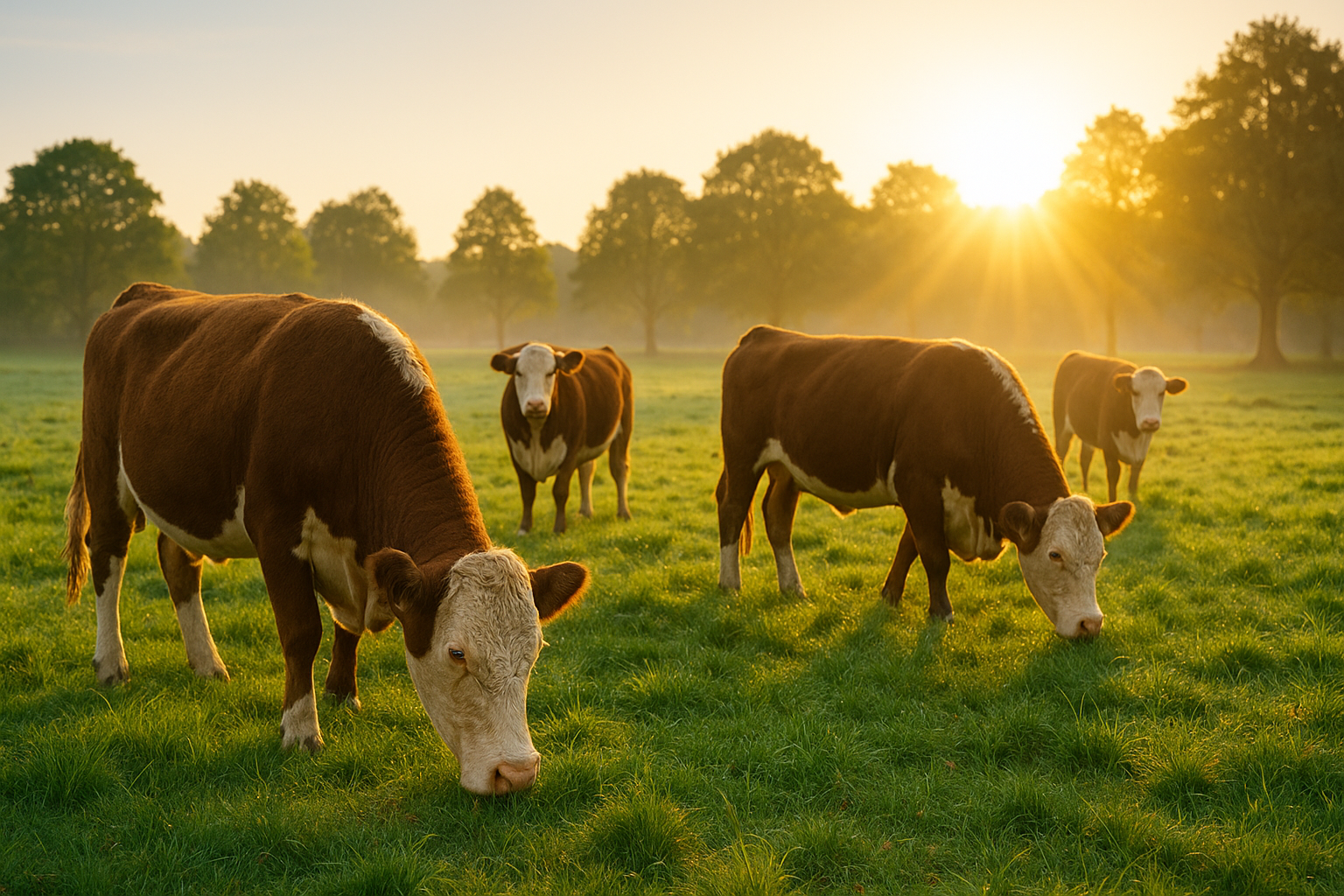
Organic farming is deeply rooted in animal welfare. Animals raised for organic meat live in environments that allow freedom of movement, grazing, and social interaction. Cattle roam open pastures, chickens explore grassy fields, and pigs enjoy natural foraging behaviors.
Such humane conditions:
- Reduce stress and disease.
- Improve immune response.
- Lead to better-quality, nutrient-dense meat.
When an animal does fall ill, organic farmers first use natural remedies and preventive care. If antibiotics are needed to save its life, the animal is treated—but permanently removed from the organic program. This ensures the integrity of organic certification and protects consumers from antibiotic residues.
The Dangers of Antibiotics and Hormones in Conventional Meat
Industrial meat production often relies on antibiotics and growth hormones to accelerate weight gain and prevent disease in crowded conditions. However, these practices come with serious health risks.
Overuse of antibiotics in livestock contributes to antibiotic-resistant bacteria, making infections harder to treat in humans. Growth hormones, meanwhile, are used to make animals grow faster with less feed, but their long-term effects on human hormone balance remain uncertain.
Organic meat eliminates these concerns entirely. Animals grow at a natural pace, without artificial intervention—producing meat that’s cleaner, safer, and free from synthetic residues.
Environmental Benefits of Organic Meat Production
Beyond personal health, organic livestock farming benefits the planet. Farmers follow strict environmental stewardship practices to maintain healthy ecosystems.
Some key advantages include:
- Reduced pollution – No synthetic fertilizers or pesticides contaminating soil and water.
- Water conservation – Organic farms use efficient irrigation and water recycling.
- Biodiversity protection – Natural habitats are preserved for wildlife.
- Lower carbon footprint – Pasture-based systems capture carbon in the soil and require less fossil fuel than industrial feedlots.
Choosing organic meat supports a more sustainable food system, where both humans and nature can thrive.
Nutritional Advantages of Organic Meat
Scientific studies have found that organic meat offers distinct nutritional benefits compared to conventionally raised meat. Animals raised on organic pastures have higher levels of beneficial nutrients, including:
- Omega-3 fatty acids: Support heart and brain health.
- Conjugated linoleic acid (CLA): A fat that may improve metabolism.
- Antioxidants: Such as vitamin E and beta-carotene, which protect cells from damage.
- Minerals: Including zinc, selenium, and iron, which strengthen the immune system.
Because organic animals are more active and less stressed, their meat tends to be leaner, firmer, and richer in flavor, making it both a healthier and more enjoyable choice.
Cost and Accessibility: Why Organic Meat Costs More
It’s true that organic meat is typically more expensive than conventional meat. The price reflects the additional effort, time, and resources involved in raising animals naturally and ethically.
Costs are higher because:
- Organic feed is more expensive to produce.
- Animals grow at a slower, natural rate.
- Farms operate on smaller scales, emphasizing quality over quantity.
However, consumers increasingly view this higher cost as an investment in health, ethics, and sustainability. Buying organic supports small family farms, strengthens local economies, and promotes a fairer food system overall.
As consumer demand continues to rise, prices are expected to stabilize, making organic meat more accessible to a wider audience.
Making a Conscious Choice
When you choose certified organic meat, you’re doing more than purchasing a product—you’re making a statement. You’re supporting farmers who value animal welfare, clean farming practices, and ecological balance.
Every purchase contributes to a global shift toward healthier diets and more sustainable agriculture. Organic farming encourages biodiversity, reduces environmental harm, and ensures that animals live and die with dignity.
In short, opting for organic meat means choosing a better path for yourself, for animals, and for the environment.
Conclusion: A Holistic Approach to Food
Organic meat represents the future of responsible eating. It reflects a harmonious relationship between humans, animals, and the land—one that prioritizes wellness over profit.
From eliminating harmful chemicals to promoting ethical animal care, organic farming demonstrates that it’s possible to produce meat that is nutritious, humane, and environmentally sound. Though it may come with a higher price tag, the value of knowing where your food comes from—and that it was raised with respect—is truly priceless.
When we choose organic, we’re not just feeding ourselves—we’re nurturing the planet and protecting future generations.
Sources
- United States Department of Agriculture (USDA) Organic Regulations
- Midwest Organic Services Association (MOSA)
- Food and Agriculture Organization (FAO): “Organic Livestock Farming Principles”
- Environmental Working Group (EWG): “Antibiotics in Meat and the Risks of Resistance”
- Organic Trade Association (OTA): “Nutritional Benefits of Organic Meat”
- Journal of Agricultural and Food Chemistry: “Fatty Acid Composition of Organic vs Conventional Beef”

