
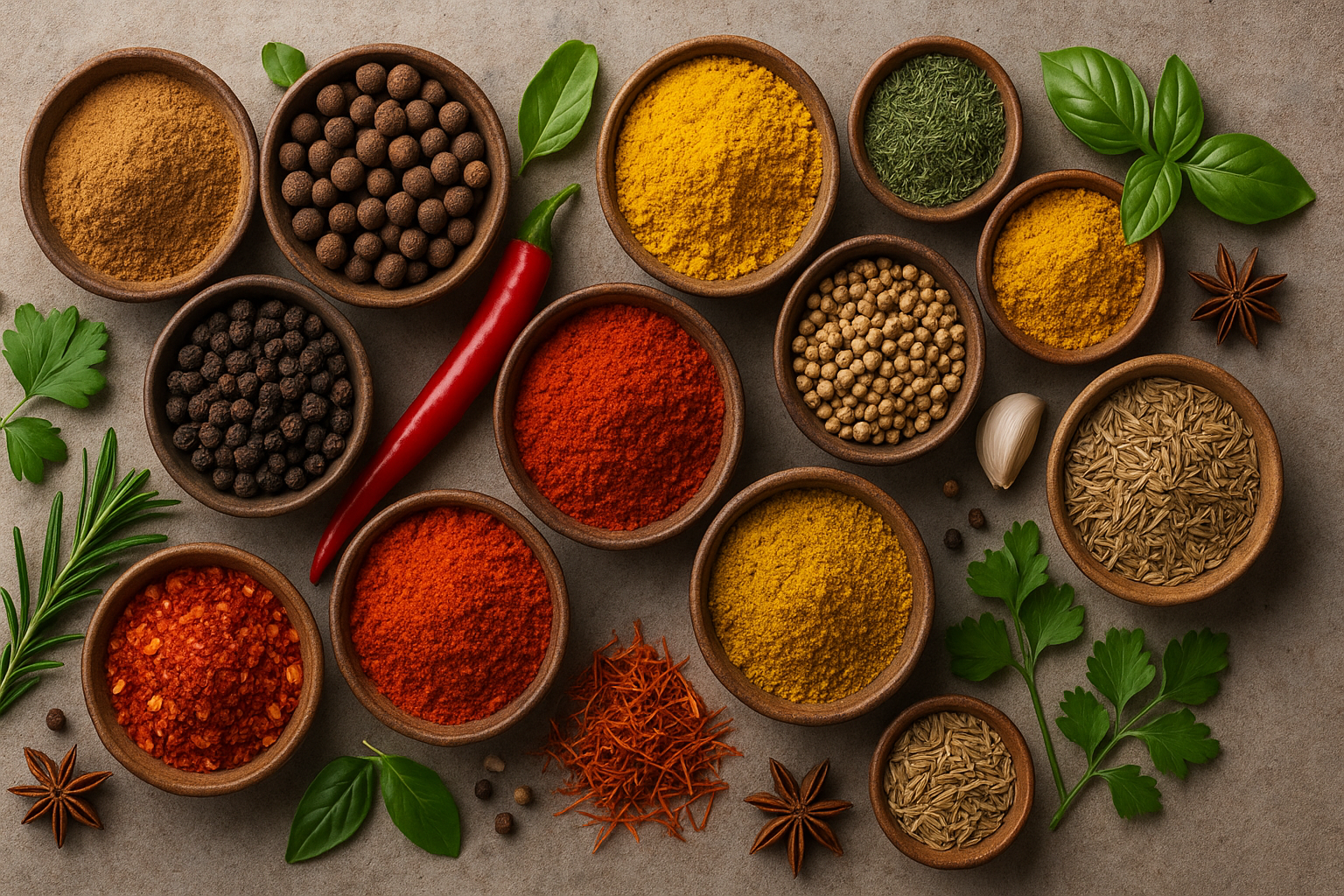
Spices and seasonings do more than make food taste better — they are concentrated, flavorful sources of biologically active plant compounds that can support digestion, reduce inflammation, help regulate blood sugar, and even provide antimicrobial protection. Used for millennia in traditional medicine and food preservation, everyday spices such as turmeric, ginger, garlic, cinnamon, black pepper and oregano contain phytochemicals (polyphenols, essential oils, alkaloids) that interact with human biology in ways modern science is beginning to map. This article explains how spices work, highlights the best-studied examples, offers practical ways to add them to your diet, and reviews safety and interaction concerns.
How spices affect health — the major mechanisms
Although spices are consumed in small amounts, they are rich in compounds that influence several key biological pathways:
- Anti-inflammatory action. Many spice compounds downregulate inflammatory signaling and reduce levels of pro-inflammatory molecules. Chronic low-grade inflammation is a shared factor in heart disease, type 2 diabetes, arthritis and neurodegeneration, so even modest anti-inflammatory effects spread across many health outcomes.
- Antioxidant protection. Spices are dense in antioxidant polyphenols and volatile compounds that neutralize reactive oxygen species and protect cellular components from oxidative damage.
- Antimicrobial and preservative effects. Essential oils and phenolics in spices can inhibit bacteria, some fungi and viruses. Historically this helped preserve food; today those same properties may influence oral, gut and skin microbial balance.
- Digestive support. Carminative spices stimulate digestive secretions and gut motility, reduce bloating, and aid digestion of fats and complex meals.
- Metabolic effects. Several spices affect glucose metabolism, lipid profiles, and circulation through modest effects on insulin signaling, cholesterol handling, and platelet function.
- Neuromodulation and neuroprotection. Certain spice polyphenols interact with brain pathways involved in oxidative stress, inflammation and neuronal signaling, offering potential cognitive benefits when included regularly in the diet.
Key spices and what the science says
Turmeric (curcuma)
The active molecule curcumin has powerful anti-inflammatory and antioxidant properties. Culinary turmeric provides beneficial phytochemicals; concentrated curcumin extracts are used in research and supplements. Curcumin’s absorption is limited on its own — pairing with black pepper (piperine) and dietary fat improves bioavailability. Research supports curcumin for reducing pain and stiffness in osteoarthritis and shows promise in metabolic and cognitive outcomes when used as part of broader lifestyle and medical strategies.
Ginger (zingiber)
Gingerol and related compounds relieve nausea (motion sickness, pregnancy nausea), soothe digestive upset, and reduce muscle soreness and some inflammatory pain. Ginger may also modestly improve postprandial blood glucose and has antimicrobial properties in laboratory studies.
Garlic (allium)
When crushed, garlic produces allicin and other sulfur compounds that exhibit antimicrobial effects. Clinical studies and meta-analyses suggest garlic can modestly lower blood pressure, reduce LDL cholesterol, and support endothelial function when consumed regularly, though effect sizes vary.
Cinnamon (cinnamomum)
Cinnamon contains cinnamaldehyde and polyphenols with antioxidant and insulin-sensitizing effects. Some studies report improved post-meal glucose control with regular cinnamon intake. When consuming larger amounts, choose Ceylon cinnamon to avoid high coumarin exposure present in many cassia varieties.
Black pepper (piper nigrum)
Piperine enhances absorption of other bioactive compounds (notably curcumin) and supports digestion; it also has antioxidant effects of its own.
Oregano, thyme, rosemary, clove
These herbs and spices are exceptionally high in polyphenols and essential oils such as carvacrol, thymol, rosmarinic acid and eugenol. They show strong antioxidant and antimicrobial activity in lab studies and contribute to the flavor and preservative qualities of many dishes.
Cumin, coriander, fennel, cardamom
Often used as digestive carminatives, these spices reduce gas, help enzyme activity in digestion, and contribute anti-inflammatory and antioxidant effects.
Chili peppers (capsaicin)
Capsaicin temporarily boosts metabolic rate, can reduce appetite, and provides analgesic effects when used topically (for neuropathic or musculoskeletal pain). In food, moderate capsaicin can stimulate circulation and gut motility.
Evidence: realistic expectations
The body of research on spices includes laboratory studies, animal experiments, observational data, and randomized controlled trials — many of which test concentrated extracts rather than typical culinary use. Effects in human trials are frequently modest but consistent enough to recommend spices as complementary, preventive elements of a healthy diet. For example, the clearest clinical evidence supports ginger for nausea, turmeric/curcumin for symptom relief in some inflammatory conditions, and garlic for modest cardiovascular risk-factor improvements. Antimicrobial and antioxidant benefits are well-documented in vitro and increasingly supported by animal and human studies, but spices are not substitutes for medical therapy when treatment is required.
How to use spices for health — practical tips
- Make spices regular, not extreme. Small amounts added frequently across meals offer cumulative benefits. A teaspoon or two of varied spices a day spread across foods is practical and safe for most people.
- Combine wisely. Pair curcumin with a pinch of black pepper and a source of fat to improve absorption. Freshly crushed garlic delivers more allicin than pre-minced preparations — let it sit a few minutes after crushing to allow compounds to form.
- Cook smart. Toast whole spices briefly to release their essential oils before grinding or adding to dishes. Add delicate herbs near the end of cooking to preserve volatile compounds.
- Use whole spices when possible. Whole or freshly ground spices often retain volatile oils better than long-stored preground powders.
- Include spice-rich recipes. Try golden milk (turmeric + black pepper + warm milk), ginger tea for nausea and digestion, or herb-and-garlic roasts for antioxidant and flavor boosts.
Safety, interactions and quality concerns
- Supplements vs culinary use. Concentrated extracts or high-dose supplements are pharmacologically active and can interact with medications. Always consult a healthcare professional before starting high-dose spice supplements, especially if you take anticoagulants, blood-pressure medicines, or have liver or gallbladder conditions.
- Bleeding risk and surgery. Garlic and ginger in high doses can affect platelet function and bleeding risk — discuss discontinuation before surgery if using therapeutic doses or supplements.
- Pregnancy and breastfeeding. Culinary amounts are generally safe, but therapeutic doses or essential oils should be avoided unless supervised by a clinician.
- Allergic reactions and irritation. Some spices (e.g., cinnamon oil, clove oil) can irritate skin or mucous membranes when applied topically. Allergic reactions, though uncommon, can occur.
- Contaminants and adulteration. Buy spices from reputable sources. Contamination (mold, heavy metals, or adulterants) is rare but possible — trusted brands and whole spices reduce risk.
Integrating spices into a balanced health plan
Think of spices as inexpensive, low-risk tools for enhancing both flavor and health. They work best when paired with a whole-food diet, physical activity, adequate sleep and medical care as needed. For everyday benefits — digestive comfort, modest metabolic support, inflammation reduction, and antimicrobial assistance — a diverse spice rack is a small but powerful investment in long-term health.
Sample daily spice plan (simple)
- Breakfast: oats with a sprinkle of cinnamon and nutmeg.
- Lunch: salad dressed with lemon, black pepper and crushed garlic.
- Afternoon tea: ginger-lemon infusion for digestion.
- Dinner: turmeric and black pepper in a curry or roasted vegetables with rosemary and thyme.
- Snack/topping: toasted seeds or dukkah (blend of cumin, coriander, sesame) on yogurt.
Conclusion
Spices and seasonings are more than culinary accents — they are concentrated sources of phytochemicals that support digestion, lower inflammation, provide antioxidant protection, and can modestly improve metabolic and cardiovascular markers. While no spice replaces medical treatment, incorporating a variety of spices into daily meals is an accessible, enjoyable and evidence-friendly way to boost health. Use whole spices, when possible, combine them sensibly (for example, curcumin + piperine + fat), be mindful of supplement doses and interactions, and consider spices as one part of a broader healthy lifestyle.
Sources
- Reviews and meta-analyses on curcumin/turmeric, ginger, garlic and cinnamon (peer-reviewed journals).
- National Center for Complementary and Integrative Health (NCCIH) summaries on turmeric, garlic and ginger.
- Harvard T.H. Chan School of Public Health — materials on herbs, spices, antioxidants and diet.
- Clinical trial reports and systematic reviews on ginger for nausea, curcumin for osteoarthritis, and garlic for blood pressure and lipids.
- Reviews on essential oils and antimicrobial activity (oregano, thyme, clove).
- Food and Agriculture Organization (FAO) and World Health Organization (WHO) monographs and guidance on spices/food safety.
- Textbook chapters and authoritative works on nutritional biochemistry and phytochemicals.