Introduction
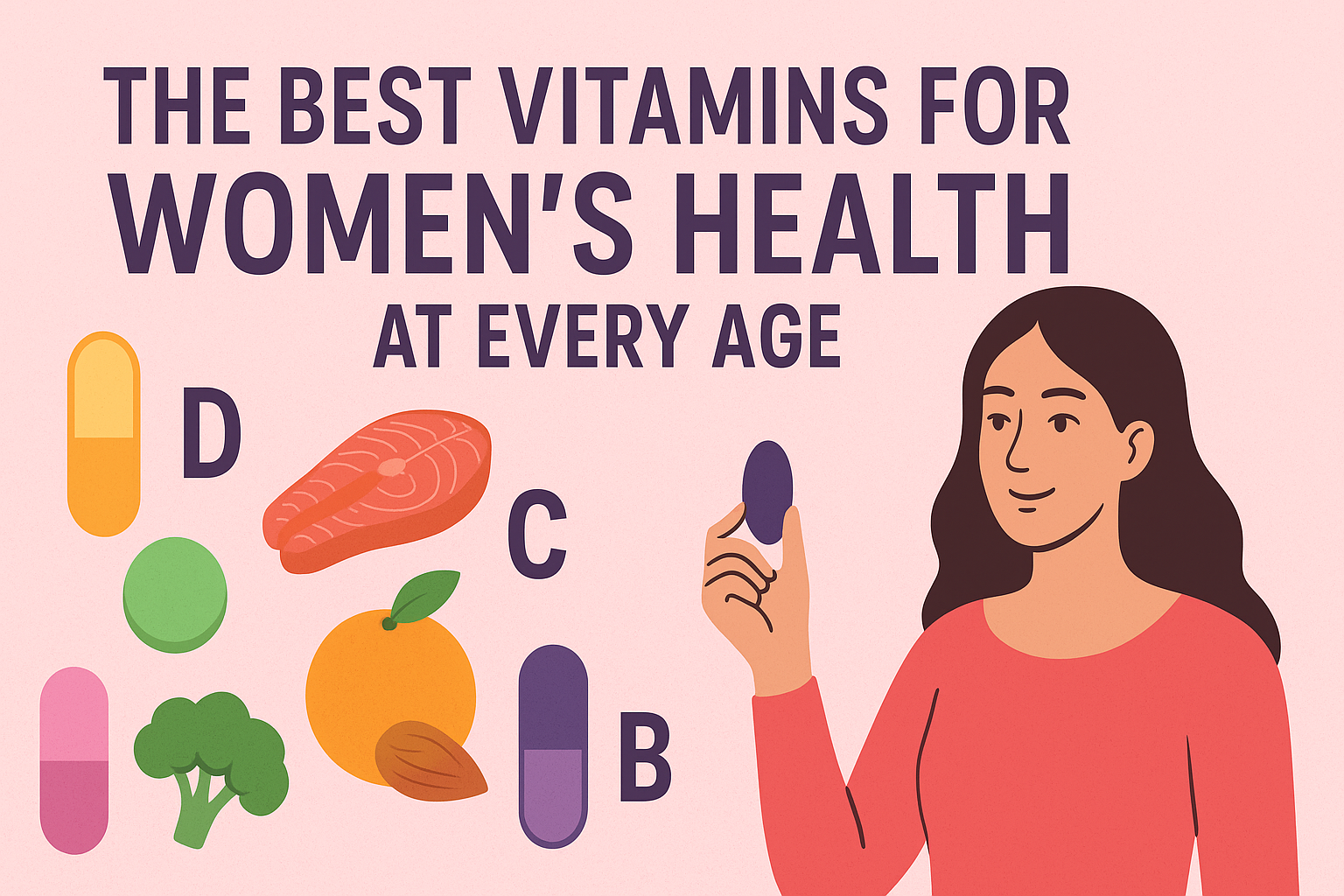
Women’s health needs evolve significantly throughout life. From adolescence to menopause and beyond, each stage brings unique nutritional demands shaped by hormonal changes, pregnancy, bone health, and metabolism. Vitamins play an essential role in maintaining energy, supporting reproductive health, and protecting against age-related diseases.
Understanding which vitamins are most important for your age group can help you feel your best, prevent deficiencies, and promote long-term wellness. Here’s a complete guide to the best vitamins for women at every age—and how they can support your body through life’s transitions.
Why Vitamins Matter for Women
Vitamins are organic compounds that the body needs in small amounts to function properly. Women, in particular, require specific nutrients to support reproductive health, hormonal balance, bone strength, and immune function. Factors such as menstruation, pregnancy, menopause, and aging affect nutrient needs—making a balanced vitamin intake crucial at every stage.
A diet rich in fruits, vegetables, lean proteins, and whole grains should provide most essential vitamins. However, due to lifestyle, hormonal shifts, and modern dietary patterns, many women benefit from targeted supplementation.
Vitamins for Women in Their 20s: Building the Foundation
Your 20s are often filled with growth, energy, and new beginnings—but also stress, irregular eating habits, and lack of sleep. Establishing a strong nutritional foundation during this period is key to long-term health.
1. Vitamin B Complex (especially B6, B12, and Folate)
B vitamins help convert food into energy, support brain function, and maintain healthy red blood cells. Folate (vitamin B9) is particularly crucial for women of childbearing age as it helps prevent neural tube defects in case of pregnancy.
2. Vitamin D
Vitamin D supports calcium absorption and bone development. Many young women have low levels due to limited sun exposure or sedentary lifestyles. Maintaining optimal vitamin D levels also boosts mood and immune function.
3. Vitamin C
An antioxidant powerhouse, vitamin C strengthens immunity, supports skin health, and enhances collagen production—important for maintaining youthful, resilient skin.
4. Iron
While not a vitamin, iron deserves mention since women in their 20s often lose significant amounts through menstruation. Iron supports energy production and helps prevent fatigue and anemia.
Vitamins for Women in Their 30s: Hormone Balance and Reproductive Health
In your 30s, maintaining hormonal balance and supporting reproductive health become priorities. Whether you’re planning for pregnancy or managing busy routines, vitamins help sustain energy and protect your body from oxidative stress.
1. Folate (Vitamin B9)
Essential for women planning pregnancy or already expecting, folate supports fetal development and helps prevent birth defects. Even if pregnancy isn’t in your immediate plans, adequate folate intake is still important for cell regeneration and heart health.
2. Vitamin E
This antioxidant helps protect cells from oxidative stress, supports skin health, and may reduce menstrual discomfort. It also promotes cardiovascular health and hormone balance.
3. Vitamin A
Vitamin A plays a role in maintaining healthy skin, vision, and immunity. However, excessive intake during pregnancy can be harmful, so women should stick to recommended doses or obtain it through beta-carotene-rich foods like carrots and sweet potatoes.
4. Vitamin D and Calcium
Bone density starts declining gradually after the age of 30. Adequate calcium intake—supported by vitamin D—is vital for keeping bones strong and preventing osteoporosis later in life.
Vitamins for Women in Their 40s: Supporting Energy and Preventing Deficiency
During your 40s, hormonal fluctuations related to perimenopause may begin, affecting metabolism, mood, and energy levels. Nutrition becomes an essential ally in maintaining vitality and hormonal balance.
1. Vitamin B12
As metabolism slows and the body becomes less efficient at absorbing B12, supplementation may be necessary. Vitamin B12 supports nerve health, red blood cell formation, and energy metabolism.
2. Vitamin D
Continues to play a crucial role in maintaining bone and immune health. Deficiency during this decade can contribute to fatigue, depression, and increased risk of osteoporosis.
3. Vitamin C and Vitamin E
Both vitamins protect against oxidative stress and promote collagen production, supporting skin elasticity and reducing signs of aging. They also strengthen the immune system and cardiovascular function.
4. Vitamin K2
Often overlooked, vitamin K2 works with vitamin D and calcium to help direct calcium into the bones rather than soft tissues, reducing the risk of heart disease and osteoporosis.
Vitamins for Women in Their 50s: Menopause and Beyond
The transition to menopause brings changes in estrogen levels that affect bone health, heart function, and overall energy. Proper vitamin intake during this period helps minimize symptoms and maintain wellness.
1. Vitamin D and Calcium
Postmenopausal women experience an accelerated loss of bone density due to lower estrogen levels. Calcium, combined with vitamin D, is essential for preventing osteoporosis and maintaining strong bones.
2. Vitamin B6 and B12
These vitamins help regulate mood, support nerve function, and may reduce the risk of cognitive decline. B6 also aids in balancing hormones and reducing symptoms such as mood swings and fatigue.
3. Vitamin E
Vitamin E’s antioxidant and anti-inflammatory properties can ease menopausal symptoms like hot flashes and protect cardiovascular health.
4. Vitamin K
Important for blood clotting and bone health, vitamin K helps reduce the risk of fractures and supports heart health in postmenopausal women.
Vitamins for Women in Their 60s and Beyond: Aging Gracefully
As women age, the focus shifts to maintaining brain health, heart function, and muscle mass. Nutrient absorption decreases, making supplementation more important than ever.
1. Vitamin D
Plays a vital role in preventing bone fractures, maintaining muscle strength, and supporting immune defense. Older adults are particularly prone to vitamin D deficiency.
2. Vitamin B12
Older women often have reduced stomach acid production, making it harder to absorb B12 from food. Supplementation supports cognitive health and energy.
3. Vitamin C and E
Antioxidant vitamins that help fight inflammation, protect against age-related diseases, and maintain skin elasticity. They also support heart and eye health.
4. Vitamin A (as Beta-Carotene)
Supports vision and immune function. Choosing beta-carotene forms of vitamin, A is safer for older adults, as they convert only what the body needs.
Tips for Choosing the Right Vitamin Supplement
- Consult Your Healthcare Provider
Before taking any supplement, it’s important to discuss your needs with a doctor or nutritionist, especially if you’re on medication or managing chronic conditions. - Choose High-Quality Brands
Look for third-party-tested products to ensure purity, potency, and safety. - Check Dosages
More is not always better—excessive vitamin intake can be harmful. Always stick to recommended daily values unless prescribed otherwise. - Get Nutrients from Food First
Supplements should complement, not replace, a balanced diet. Prioritize whole foods rich in essential vitamins.
Foods Rich in Key Vitamins for Women
- Vitamin A: Carrots, sweet potatoes, spinach, kale
- Vitamin B Complex: Whole grains, eggs, beans, salmon, leafy greens
- Vitamin C: Citrus fruits, bell peppers, kiwi, strawberries
- Vitamin D: Fatty fish, fortified milk, eggs, sunlight exposure
- Vitamin E: Nuts, seeds, avocado, vegetable oils
- Vitamin K: Leafy greens, broccoli, Brussels sprouts
- Calcium: Dairy, tofu, almonds, fortified plant milks
- Iron: Red meat, lentils, spinach, pumpkin seeds
Conclusion
Vitamins are essential allies in every woman’s health journey—from supporting fertility and strong bones to protecting the heart and maintaining cognitive vitality. As your body changes, so do your nutritional needs. By choosing the right vitamins for each stage of life, you can boost energy, prevent disease, and age gracefully.
Remember: a nutrient-rich diet, regular exercise, and healthy lifestyle choices work together with vitamins to keep you thriving at every age.
Sources
- National Institutes of Health (NIH) – Office of Dietary Supplements
- World Health Organization (WHO) – Nutritional Guidelines
- Harvard T.H. Chan School of Public Health – Micronutrients and Women’s Health
- Mayo Clinic – Vitamin and Supplement Recommendations for Women
- American Heart Association – Vitamins and Heart Health
- Johns Hopkins Medicine – Bone and Hormone Health in Women