Introduction
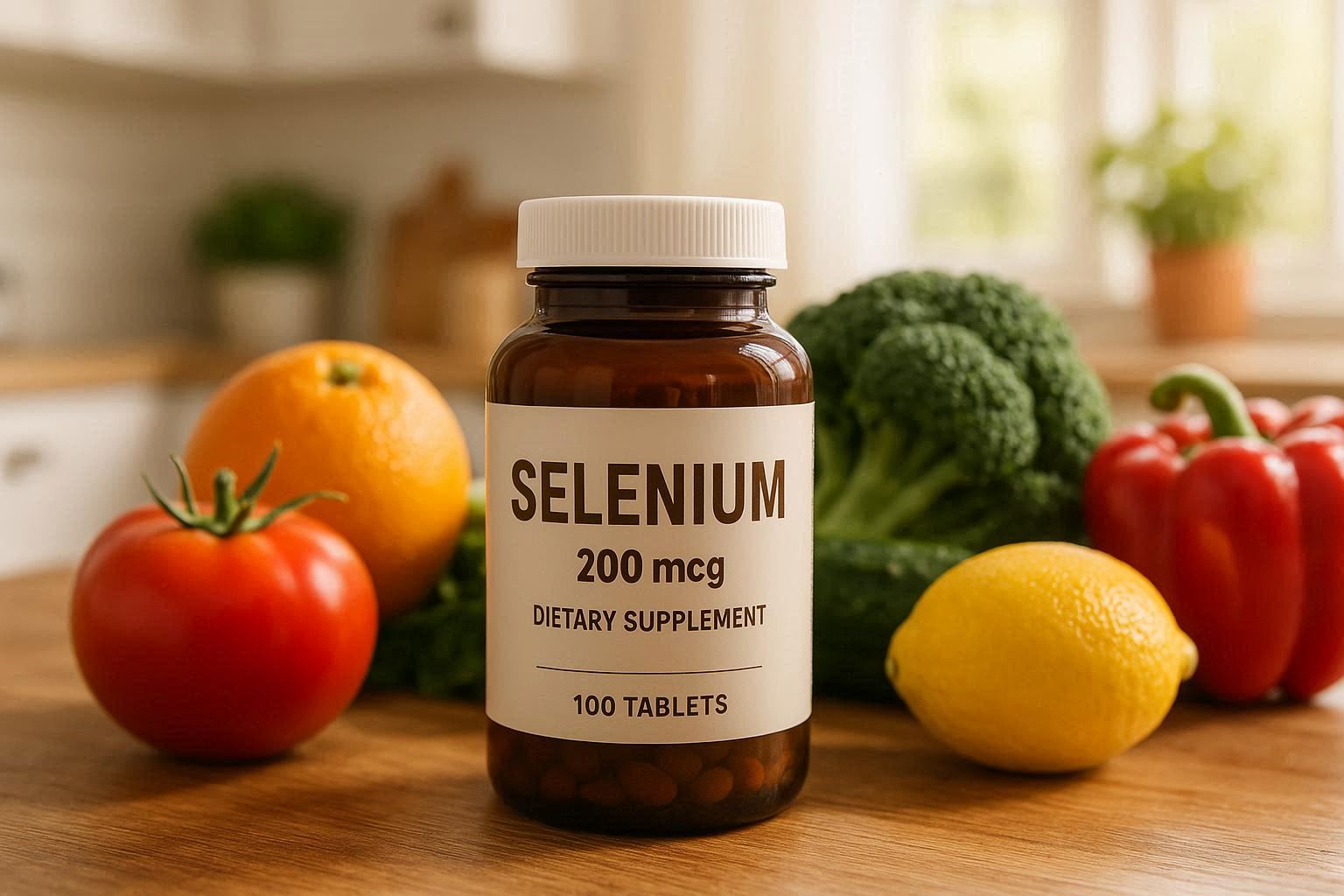
Selenium is a trace mineral that plays an essential role in maintaining overall health and well-being. Although the body requires only small amounts of selenium, its impact on various physiological processes is profound. From supporting a strong immune system and promoting thyroid function to providing antioxidant protection and potentially reducing the risk of chronic diseases, selenium is indispensable for optimal health. Despite its importance, selenium deficiency and excess intake can both have adverse effects, which makes understanding its functions, sources, and benefits critical for maintaining balance.
This article provides a comprehensive overview of selenium’s biological functions, its numerous health benefits, dietary sources, recommended daily intake, and the health implications of deficiency or toxicity.
What is Selenium?
Selenium is a naturally occurring trace mineral found in soil, water, and certain foods. It is incorporated into selenoproteins — a group of specialized proteins that perform vital roles in antioxidant defense, metabolism, and immune regulation. The human body contains about 13–20 milligrams of selenium, mainly concentrated in the thyroid gland, liver, kidneys, and muscles.
As an essential nutrient, selenium must be obtained through diet since the body cannot produce it. The amount of selenium present in foods largely depends on the selenium content of the soil where plants are grown or animals are raised.
1. Selenium as a Powerful Antioxidant
One of selenium’s most well-known functions is its role in antioxidant defense. It is a vital component of glutathione peroxidase (GPx) — an enzyme that protects cells from oxidative stress caused by free radicals. Free radicals are unstable molecules that can damage cell membranes, DNA, and proteins, leading to aging and chronic diseases such as cancer and cardiovascular disorders.
By neutralizing free radicals, selenium helps reduce oxidative stress, thereby supporting longevity and protecting the body from inflammation and tissue damage. Studies have shown that individuals with higher selenium levels tend to have lower markers of oxidative stress, suggesting its key role in cellular protection.
2. Supports a Healthy Immune System
Selenium plays a central role in the regulation of the immune system. It enhances the production of white blood cells, promotes the activity of T-cells (a type of immune cell), and helps the body respond effectively to infections. Selenium deficiency can weaken immune function, making the body more susceptible to viruses and bacteria.
Several studies have demonstrated selenium’s ability to improve resistance to infections, particularly viral ones. For example, selenium supplementation has been found to enhance immune response against influenza and may even influence the body’s response to viral mutations. Adequate selenium levels are essential for both innate and adaptive immunity, making it a crucial mineral for maintaining a resilient immune system.
3. Essential for Thyroid Health
The thyroid gland contains more selenium per gram of tissue than any other organ in the body. Selenium is critical for the synthesis and regulation of thyroid hormones, particularly through enzymes called iodothyronine deiodinases, which convert thyroxine (T4) into the active form triiodothyronine (T3).
Selenium’s antioxidant properties also protect the thyroid gland from oxidative damage during hormone production. Deficiency can lead to thyroid dysfunctions such as hypothyroidism, thyroiditis, and impaired hormone metabolism. Maintaining adequate selenium intake helps regulate metabolism, energy production, and overall hormonal balance.
4. May Reduce the Risk of Certain Cancers
Numerous studies have explored the link between selenium status and cancer risk. As an antioxidant, selenium helps prevent DNA damage and suppresses tumor growth by reducing oxidative stress and inflammation. It also plays a role in the detoxification of carcinogenic compounds and in regulating cell death (apoptosis), a process that prevents abnormal cell proliferation.
Research suggests that adequate selenium levels may lower the risk of several types of cancers, including prostate, lung, colorectal, and bladder cancer. However, while observational studies show promising results, clinical trials have yielded mixed findings. Excess selenium intake, particularly from supplements, does not necessarily confer additional protection and may even increase risk if taken in high doses. Thus, maintaining optimal but not excessive levels is key to its protective effects.
5. Cardiovascular Health Benefits
Selenium contributes to heart health through its antioxidant and anti-inflammatory properties. Oxidative stress and chronic inflammation are major contributors to cardiovascular diseases, including atherosclerosis, heart attacks, and stroke. By reducing oxidative damage and improving endothelial function, selenium may help lower the risk of these conditions.
Moreover, selenium is known to reduce the levels of C-reactive protein (CRP), a biomarker of inflammation linked to cardiovascular risk. Studies have also suggested that selenium, in combination with other antioxidants such as vitamin E, may help prevent the oxidation of LDL cholesterol — a key step in the development of atherosclerosis. Maintaining healthy selenium levels may therefore support overall cardiovascular function and reduce heart disease risk.
6. Cognitive and Mental Health Support
Selenium plays a significant role in brain health and cognitive function. The brain is highly susceptible to oxidative damage, and selenium-dependent enzymes help protect neurons from free radical damage. Low selenium levels have been associated with cognitive decline, mood disorders, and an increased risk of neurodegenerative diseases such as Alzheimer’s and Parkinson’s disease.
Research indicates that selenium supplementation can improve memory, mental clarity, and mood, especially in older adults. Selenium’s role in neurotransmitter regulation and antioxidant defense makes it a key nutrient for maintaining mental sharpness and emotional well-being.
7. Enhances Male and Female Fertility
Selenium is essential for reproductive health in both men and women. In men, selenium contributes to sperm motility, quality, and protection against oxidative damage. Deficiency can lead to reduced fertility and impaired sperm function. Selenium is a key component of selenoproteins that protect developing sperm from oxidative stress, ensuring their structural integrity.
In women, selenium supports ovarian function and is necessary for successful conception and pregnancy. It plays a role in protecting the developing embryo and maintaining a healthy uterine environment. Adequate selenium intake during pregnancy may also help prevent complications such as preeclampsia and miscarriage.
8. Anti-Inflammatory and Immune Modulation Properties
Beyond its antioxidant effects, selenium also acts as an immune modulator, regulating inflammatory responses. Chronic inflammation is at the root of many diseases, including arthritis, diabetes, and heart disease. Selenium helps control excessive immune reactions and promotes the resolution of inflammation, reducing tissue damage.
Its involvement in the regulation of cytokines — the molecules that signal immune responses — ensures that inflammation is balanced and not excessive. This makes selenium particularly beneficial for individuals with autoimmune conditions such as Hashimoto’s thyroiditis or rheumatoid arthritis.
9. May Help Manage Asthma and Respiratory Health
Some studies suggest that selenium may improve symptoms in people with asthma. Because asthma involves inflammation and oxidative stress in the airways, selenium’s antioxidant action can help reduce inflammation and improve lung function. Low selenium levels have been associated with increased asthma severity, while supplementation may help alleviate symptoms in deficient individuals.
10. Skin and Hair Health
Selenium supports healthy skin by protecting it from oxidative stress and UV damage. It helps maintain skin elasticity and reduces inflammation that contributes to acne and premature aging. Additionally, selenium plays a role in the growth and maintenance of healthy hair. Many anti-dandruff shampoos include selenium sulfide for its antifungal properties, which help combat scalp conditions like dandruff and seborrheic dermatitis.
Dietary Sources of Selenium
The best way to ensure adequate selenium intake is through a balanced diet. Selenium content in food varies depending on soil concentration and geographical location, but several rich sources include:
- Brazil nuts (the richest natural source; one or two nuts can provide the daily requirement)
- Seafood such as tuna, sardines, salmon, shrimp, and crab
- Meat and poultry like beef, chicken, and turkey
- Eggs
- Whole grains and cereals (especially those grown in selenium-rich soil)
- Dairy products such as milk and cheese
- Seeds and legumes, including sunflower seeds and lentils
A diverse diet that includes these foods typically provides sufficient selenium for most individuals.
Recommended Daily Intake
The recommended dietary allowance (RDA) for selenium varies by age and gender:
- Adults (men and women): 55 micrograms (µg) per day
- Pregnant women: 60 µg per day
- Lactating women: 70 µg per day
- Children: 20–40 µg per day depending on age
Tolerable upper intake level (UL) for adults is 400 µg per day, and exceeding this amount regularly may cause toxicity.
Selenium Deficiency and Toxicity
Deficiency
Selenium deficiency can lead to various health problems, including:
- Weak immune function
- Hypothyroidism and thyroid disorders
- Infertility and reproductive issues
- Muscle weakness
- Fatigue and cognitive decline
- Keshan disease (a type of heart disease caused by severe selenium deficiency)
Regions with low-selenium soil, such as parts of China and Europe, have higher rates of deficiency-related illnesses.
Toxicity
While selenium is essential, excessive intake can be toxic. Selenosis — a condition caused by high selenium levels — can lead to symptoms such as:
- Hair and nail brittleness or loss
- Gastrointestinal upset
- Skin rashes
- Nervous system abnormalities
- Fatigue and irritability
Therefore, supplementation should be approached cautiously and preferably under medical supervision.
Conclusion
Selenium is a small but mighty mineral that influences nearly every aspect of human health — from immune defense and thyroid regulation to heart and brain protection. Its antioxidant and anti-inflammatory roles make it essential for preventing cellular damage and supporting longevity. Although deficiency is uncommon in most regions, maintaining adequate selenium intake through diet remains vital for optimal health.
Incorporating selenium-rich foods like Brazil nuts, seafood, meats, eggs, and whole grains into your daily meals can ensure you meet your body’s needs naturally. However, balance is key — both deficiency and excess can harm health. When used wisely, selenium truly stands out as one of nature’s most powerful defenders of well-being.
Sources
- National Institutes of Health (NIH) – Office of Dietary Supplements: Selenium Fact Sheet
- World Health Organization (WHO) – Trace Elements in Human Nutrition and Health
- Rayman, M. P. (2012). “Selenium and human health.” The Lancet, 379(9822), 1256–1268.
- Labunskyy, V. M., Hatfield, D. L., & Gladyshev, V. N. (2014). “Selenium: Molecular biology and role in health.” Cellular and Molecular Life Sciences, 71(21), 4121–4135.
- Fairweather-Tait, S. J., et al. (2011). “Selenium in human health and disease.” Antioxidants & Redox Signaling, 14(7), 1337–1383.
- Vinceti, M., et al. (2018). “Selenium toxicity and its potential adverse health effects.” Environmental Research, 164, 284–293.
- Stoffaneller, R., & Morse, N. L. (2015). “A review of dietary selenium intake and its determinants in European populations.” Nutrients, 7(3), 1494–1537.
- Hatfield, D. L., Tsuji, P. A., Carlson, B. A., & Gladyshev, V. N. (2014). Selenium and Selenoproteins in Health and Disease.