
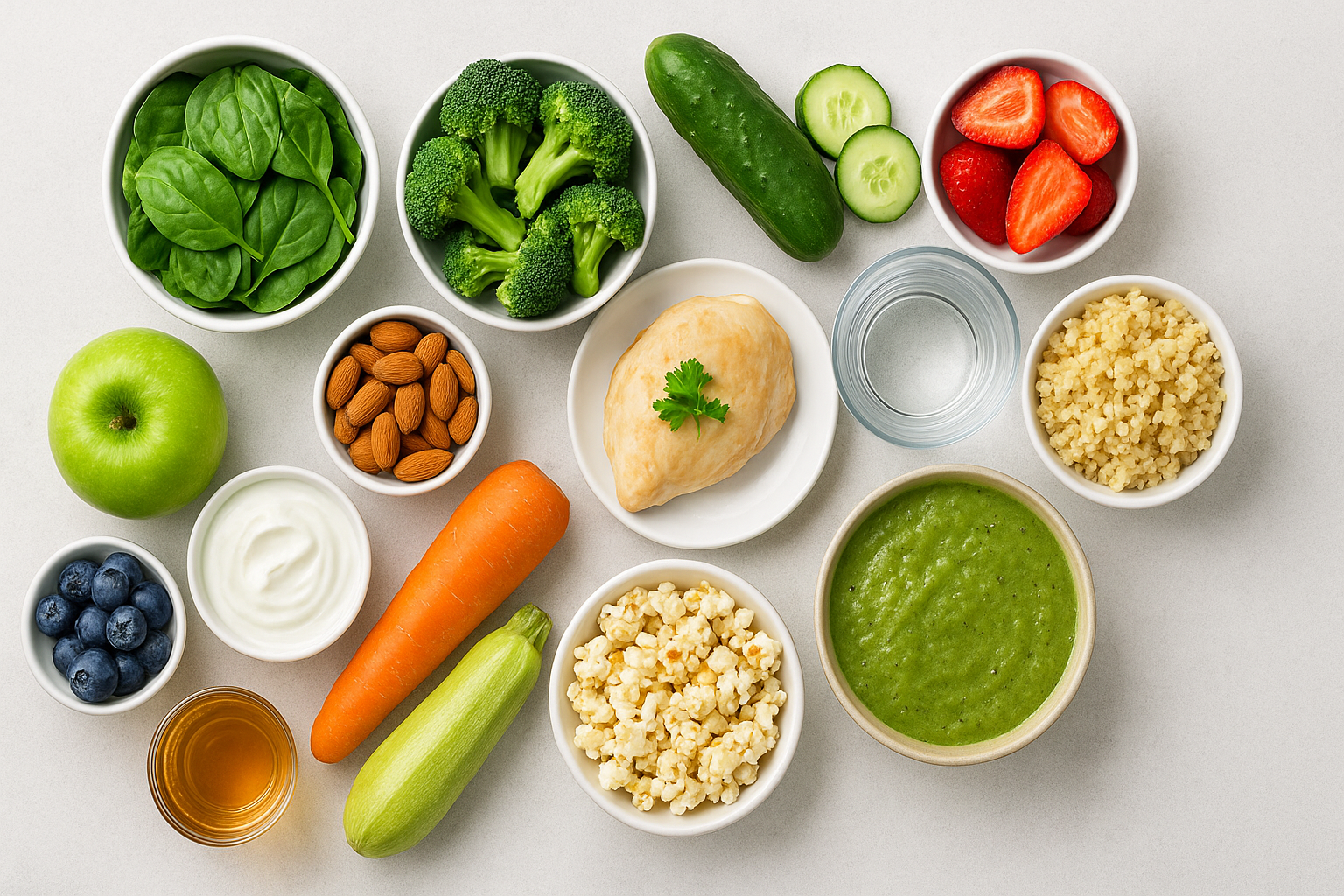
When it comes to losing weight, the key factor is creating a calorie deficit — burning more calories than you consume. However, this doesn’t mean starving yourself or cutting out all your favorite foods. Instead, it’s about making informed choices that balance nutrition, satisfaction, and calorie control. By understanding how many calories are in common foods and drinks, you can make better decisions that support sustainable weight loss without feeling deprived.
This article explores a variety of healthy, low-calorie foods and beverages that can help you shed pounds effectively while maintaining good nutrition.
Understanding Calories and Weight Loss
A calorie is a unit of energy that fuels your body’s daily functions, from breathing and digestion to physical activity. Your body burns calories even when you’re resting — this is known as your basal metabolic rate (BMR). To lose weight, you must consume fewer calories than you burn, creating a calorie deficit. Typically, a deficit of 500 to 1,000 calories per day can result in a safe and sustainable weight loss of 0.5 to 1 kilogram per week.
However, not all calories are equal in terms of nutrition. Foods high in refined sugar or saturated fats may have the same calorie count as nutrient-dense options but offer far less benefit to your body. Choosing foods rich in protein, fiber, vitamins, and minerals will help you stay full longer and support overall health.
Low-Calorie Foods That Help You Lose Weight
Here’s a list of some common foods with their approximate calorie counts per serving and how they can contribute to your weight loss goals.
1. Vegetables
Vegetables are a cornerstone of any weight loss plan. They’re low in calories but high in fiber, vitamins, and minerals, making them filling and nutritious.
- Spinach (1 cup, raw) – 7 calories
Packed with iron, calcium, and antioxidants, spinach is perfect for salads and smoothies. - Broccoli (1 cup, steamed) – 55 calories
High in fiber and vitamin C, broccoli promotes satiety and boosts immunity. - Cucumber (1 medium) – 30 calories
With a high water content, cucumbers help hydrate and reduce hunger. - Carrots (1 cup, raw) – 50 calories
Excellent for snacking, carrots are rich in beta-carotene and fiber. - Zucchini (1 cup, cooked) – 25 calories
A versatile vegetable that can replace pasta or be added to stir-fries.
These vegetables add volume to meals without significantly increasing your calorie intake.
2. Fruits
Fruits are naturally sweet, making them a healthier substitute for desserts and sugary snacks. They contain vitamins, fiber, and antioxidants that support your metabolism and digestion.
- Apple (1 medium) – 95 calories
Apples are rich in pectin, a type of fiber that promotes fullness. - Banana (1 medium) – 105 calories
Bananas provide quick energy, potassium, and magnesium. - Strawberries (1 cup) – 50 calories
Low in sugar and rich in vitamin C and antioxidants. - Watermelon (1 cup) – 45 calories
Mostly water, it’s refreshing and hydrating during hot weather. - Blueberries (1 cup) – 85 calories
Known for their powerful antioxidants and brain-boosting properties.
Including a variety of fruits in your diet provides essential nutrients while keeping your calorie intake in check.
3. Lean Proteins
Protein is crucial for muscle repair and satiety. Eating enough protein helps preserve muscle mass during weight loss and increases metabolism because protein digestion burns more calories than fats or carbs.
- Chicken breast (100g, grilled) – 165 calories
A staple for many dieters, chicken breast is high in protein and low in fat. - Eggs (1 large) – 70 calories
Eggs are nutrient-dense and keep you full for hours. - Greek yogurt (1 cup, low-fat) – 100–120 calories
A great source of probiotics, calcium, and protein. - Tuna (100g, canned in water) – 90 calories
High in protein and omega-3 fatty acids, tuna supports heart health. - Tofu (100g) – 80 calories
A plant-based protein rich in calcium and iron, ideal for vegetarians and vegans.
Adding lean protein to your meals helps stabilize blood sugar levels and reduce overeating.
4. Whole Grains
Whole grains are an excellent source of complex carbohydrates and fiber, which keep you full longer and prevent energy crashes.
- Oats (½ cup, dry) – 150 calories
Oats support digestion and help regulate cholesterol levels. - Brown rice (1 cup, cooked) – 215 calories
Provides steady energy and essential minerals like magnesium. - Quinoa (1 cup, cooked) – 220 calories
A complete protein that contains all nine essential amino acids. - Whole wheat bread (1 slice) – 80 calories
Offers fiber and nutrients compared to refined white bread. - Popcorn (3 cups, air-popped) – 90 calories
A low-calorie snack option when eaten plain without butter.
Choosing whole grains over refined options helps improve digestion and maintain satiety throughout the day.
5. Healthy Fats
Although fats are calorie-dense, they’re essential for hormone regulation, brain function, and the absorption of fat-soluble vitamins. The key is choosing the right types and consuming them in moderation.
- Avocado (½ medium) – 120 calories
Packed with monounsaturated fats that promote heart health. - Almonds (10 pieces) – 70 calories
Provide healthy fats, vitamin E, and magnesium. - Olive oil (1 tablespoon) – 120 calories
A great choice for salads or cooking due to its heart-protective properties. - Chia seeds (1 tablespoon) – 60 calories
Expand in your stomach, increasing fullness while providing fiber and omega-3s.
Even though these foods are higher in calories, they can actually help with weight loss when eaten in the right portions because they keep you satisfied for longer.
Low-Calorie Drinks for Weight Loss
What you drink plays just as important a role as what you eat. Sugary beverages are one of the biggest contributors to excess calorie intake, often without providing any nutritional value. Replacing high-calorie drinks with healthier alternatives can make a significant difference in your weight loss journey.
1. Water – 0 Calories
The most essential and effective drink for weight loss. Drinking water before meals can help reduce hunger and calorie consumption. It also helps with digestion and keeps your metabolism functioning efficiently.
2. Green Tea – 2 Calories per Cup
Green tea contains antioxidants known as catechins, which may boost metabolism and promote fat oxidation. Drinking 2–3 cups daily can support weight loss and improve overall health.
3. Black Coffee – 5 Calories per Cup
Coffee, when consumed without sugar or cream, can increase energy levels and slightly boost calorie burning. It’s also rich in antioxidants and may improve physical performance during workouts.
4. Herbal Tea – 0 to 5 Calories
Options like chamomile, peppermint, or ginger tea are great calorie-free drinks that help with digestion and relaxation. Some herbs, like ginger, have thermogenic properties that can slightly increase fat burning.
5. Vegetable Juice – 50–70 Calories per Cup
A nutritious alternative to fruit juice, vegetable juice provides vitamins and fiber with fewer calories. Be sure to choose low-sodium or freshly blended options to avoid excess salt.
6. Lemon Water – 10 Calories per Glass
Adding lemon to water gives it flavor and a vitamin C boost. It can aid digestion and help you feel refreshed, making it easier to drink more water throughout the day.
7. Smoothies (Homemade) – 150–250 Calories per Serving
Smoothies can be a weight-loss-friendly option when made with fruits, vegetables, and a protein source like Greek yogurt or protein powder. Avoid adding sugar or sweetened juices to keep calories under control.
Foods and Drinks to Limit
While it’s important to focus on what to eat, knowing what to limit is equally crucial. Some foods and drinks can sabotage weight loss efforts because they’re high in calories, sugar, or unhealthy fats.
- Sugary drinks (soda, energy drinks, sweetened coffee): Up to 150–200 calories per serving.
- Fast food (burgers, fries, pizza): Often over 500–800 calories per meal.
- Processed snacks (chips, cookies, pastries): High in trans fats and added sugars.
- Alcoholic drinks (beer, wine, cocktails): Between 120–300 calories per glass.
Reducing these items and replacing them with the healthier alternatives listed earlier can dramatically improve your results.
Tips for Managing Calorie Intake
- Track your food intake: Use calorie-tracking apps to monitor your daily consumption.
- Eat smaller portions: Even healthy foods can lead to weight gain if eaten in large quantities.
- Plan your meals: Preparing meals ahead of time helps avoid impulsive, high-calorie choices.
- Avoid liquid calories: Choose water, tea, or coffee over sugary beverages.
- Listen to your body: Eat slowly and stop when you feel full, not stuffed.
- Prioritize protein and fiber: These nutrients keep you fuller longer and reduce cravings.
Final Thoughts
Losing weight doesn’t mean depriving yourself of food — it’s about balance, awareness, and consistency. By choosing nutrient-dense, low-calorie foods and drinks, you can fuel your body effectively while creating the calorie deficit needed for weight loss. Vegetables, fruits, lean proteins, whole grains, and healthy fats form the foundation of a sustainable eating plan. Combine these choices with regular exercise, hydration, and mindful eating habits, and you’ll be well on your way to achieving your health goals.
Sources
- U.S. Department of Agriculture (USDA) FoodData Central
- Centers for Disease Control and Prevention (CDC) – Healthy Weight Basics
- Harvard T.H. Chan School of Public Health – Nutrition Source
- Mayo Clinic – Weight Loss and Healthy Eating Guidelines
- National Institutes of Health (NIH) – Dietary Guidelines for Americans 2020–2025

