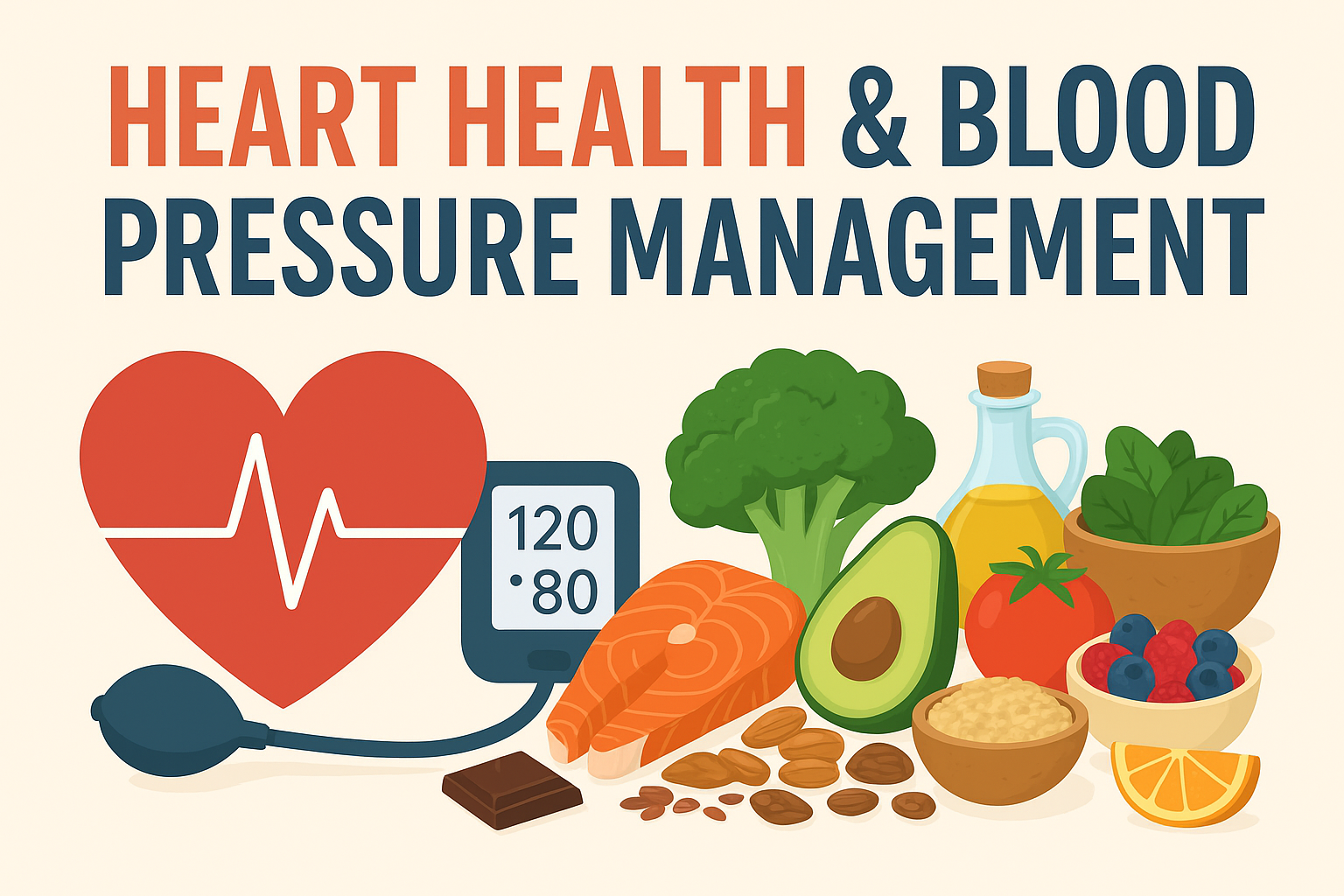
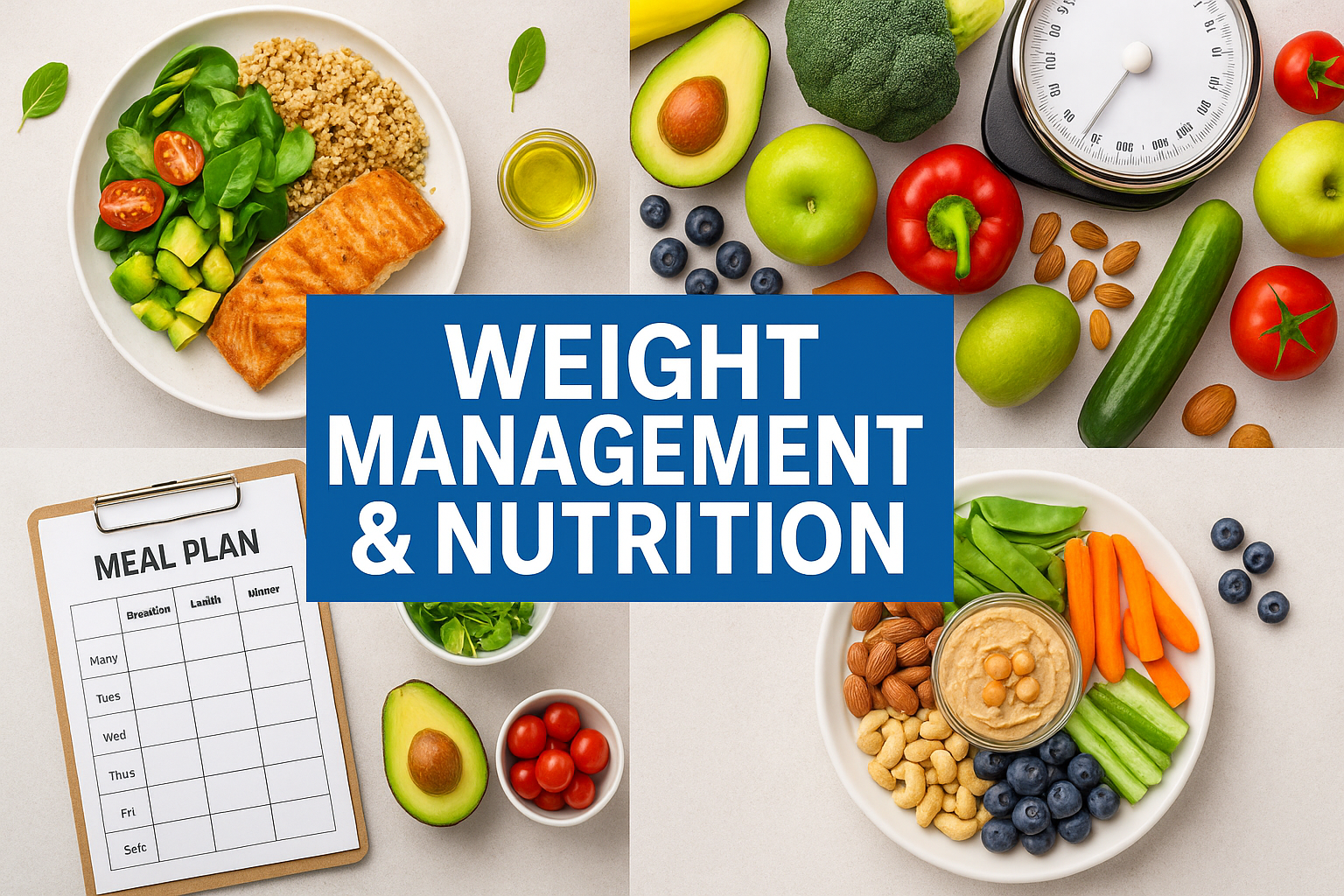
Maintaining a healthy weight is not just about appearance — it’s about overall wellness, longevity, and preventing chronic diseases such as diabetes, hypertension, and heart disease. Yet, in the age of social media and quick fixes, myths and misinformation about weight loss are everywhere. Understanding the science behind nutrition, metabolism, and sustainable habits is essential for achieving long-term success.
This guide covers common weight-loss myths, explains the science of intermittent fasting, offers a sample 7-day meal plan, and provides healthy snack ideas to help you stay on track.
10 Common Weight-Loss Myths You Should Stop Believing
When it comes to losing weight, separating fact from fiction can be confusing. Here are ten of the most common misconceptions — and the truth behind them.
1. “Carbs Make You Fat”
Carbohydrates are often unfairly blamed for weight gain. In reality, whole grains, fruits, and vegetables provide essential energy and nutrients. It’s refined carbs (like white bread, pastries, and sugary drinks) that contribute to fat gain when consumed in excess.
2. “You Have to Cut Out All Fats”
Healthy fats — such as those in avocados, olive oil, nuts, and fish — are crucial for hormone balance, brain health, and satiety. The key is moderation and focusing on unsaturated fats instead of trans or hydrogenated fats.
3. “Eating Late at Night Causes Weight Gain”
What matters most is what and how much you eat — not the time. Late-night snacking on chips or sweets can lead to extra calories, but eating a balanced meal late in the evening won’t inherently make you gain weight.
4. “Skipping Meals Helps You Lose Weight”
Skipping meals often backfires, leading to overeating later in the day. Regular, balanced meals stabilize blood sugar levels and prevent energy crashes that trigger cravings.
5. “All Calories Are Equal”
While calorie balance determines weight gain or loss, where those calories come from matters. A 300-calorie doughnut is not the same as 300 calories of vegetables and lean protein. Nutrient density and satiety play a major role in long-term weight management.
6. “Detox Diets and Cleanses Work”
Your body already has a natural detox system — the liver and kidneys. Detox teas and juice cleanses often lead to temporary water loss, not fat loss, and can even cause nutrient deficiencies.
7. “You Can Target Fat Loss (Spot Reduction)”
No exercise can burn fat from one specific area. Fat loss happens systemically — through consistent exercise, caloric deficit, and improved nutrition.
8. “More Exercise Means More Weight Loss”
Exercise is vital, but overtraining can lead to fatigue and injuries. Weight management is 80% nutrition and 20% exercise. Sustainable habits, not extremes, yield lasting results.
9. “Low-Calorie Diets Are the Fastest Way to Lose Weight”
Severely cutting calories slows metabolism and increases hunger hormones. It may cause quick initial weight loss but often leads to rebound gain once normal eating resumes.
10. “You Must Give Up Your Favorite Foods”
Deprivation leads to cravings and bingeing. Instead, practice mindful moderation — enjoy treats occasionally while maintaining an overall healthy eating pattern.
The Science Behind Intermittent Fasting
Intermittent fasting (IF) has gained popularity as a scientifically supported weight management method. Unlike restrictive diets, IF focuses on when you eat rather than what you eat.
What Is Intermittent Fasting?
Intermittent fasting involves alternating between periods of eating and fasting. Common methods include:
- 16/8 method: Fast for 16 hours, eat during an 8-hour window.
- 5:2 method: Eat normally five days a week, restrict calories (500–600) on two non-consecutive days.
- Alternate-day fasting: Fast every other day or eat very few calories on fasting days.
How Does It Work?
During fasting, insulin levels drop, and the body begins to burn stored fat for energy. Growth hormone increases, aiding fat loss and muscle preservation. Fasting may also improve metabolic flexibility, reduce inflammation, and support cellular repair through autophagy — a process that removes damaged cells.
Benefits of Intermittent Fasting
- Promotes fat loss while maintaining lean muscle
- Improves insulin sensitivity
- Supports cardiovascular health
- Reduces oxidative stress and inflammation
- Simplifies meal planning and portion control
Who Should Avoid It?
Intermittent fasting is not recommended for pregnant or breastfeeding women, people with diabetes or eating disorders, or those with specific medical conditions. Always consult a healthcare professional before beginning any fasting regimen.
How to Create a Sustainable 7-Day Meal Plan
A successful weight-management plan should be practical, balanced, and nutrient-rich. The goal is not extreme restriction but creating consistency and structure. Here’s how to build a 7-day plan you can actually follow.
Step 1: Calculate Your Caloric Needs
Use an online calculator or consult a dietitian to determine your daily calorie target based on your age, gender, activity level, and goals. Aim for a moderate deficit of 300–500 calories per day for healthy weight loss.
Step 2: Focus on Macronutrient Balance
- Protein: Supports muscle maintenance and satiety (chicken, fish, eggs, legumes, tofu)
- Carbohydrates: Choose complex carbs (oats, quinoa, brown rice, sweet potatoes)
- Fats: Prioritize healthy fats (olive oil, nuts, seeds, avocado)
Step 3: Plan for Variety
Mix and match meals to prevent boredom. Incorporate colorful fruits and vegetables for essential vitamins and antioxidants.
Sample 7-Day Meal Plan (Simplified Example)
| Day | Breakfast | Lunch | Dinner | Snack |
|---|---|---|---|---|
| Mon | Greek yogurt with berries & chia | Grilled chicken salad | Baked salmon with quinoa | Almonds & apple |
| Tue | Oatmeal with banana & walnuts | Turkey sandwich on whole grain | Stir-fried tofu & veggies | Greek yogurt |
| Wed | Smoothie with spinach & protein | Lentil soup with side salad | Chicken breast & roasted veggies | Hummus with carrots |
| Thu | Scrambled eggs with spinach | Tuna salad wrap | Shrimp & brown rice | Cottage cheese |
| Fri | Whole-grain toast with avocado | Quinoa & chickpea bowl | Beef stir-fry | Mixed nuts |
| Sat | Protein pancakes | Grilled chicken wrap | Spaghetti squash with tomato sauce | Popcorn |
| Sun | Smoothie bowl | Veggie omelet | Grilled fish with veggies | Dark chocolate (1 square) |
Step 4: Stay Hydrated
Water supports metabolism and reduces hunger. Aim for 8–10 glasses per day. Herbal teas or infused water can make hydration more enjoyable.
Step 5: Include “Flex Meals”
Allow one or two meals per week for your favorite foods. This approach helps maintain balance without guilt.
Healthy Snack Ideas for Weight Loss
Snacking can support your weight loss goals — if done right. Instead of processed chips or sweets, choose nutrient-dense, portion-controlled options.
Top 10 Healthy Snack Ideas
- Greek Yogurt with Honey & Berries – High in protein and antioxidants.
- Apple Slices with Peanut Butter – Combines fiber and healthy fats.
- Roasted Chickpeas – Crunchy, high in protein, and satisfying.
- Mixed Nuts – A small handful keeps hunger at bay.
- Vegetable Sticks with Hummus – Packed with fiber and plant-based protein.
- Cottage Cheese with Pineapple – Refreshing and rich in calcium.
- Air-Popped Popcorn – Low in calories and high in fiber.
- Hard-Boiled Eggs – Great portable source of protein.
- Edamame Pods – Rich in protein and essential nutrients.
- Dark Chocolate (70%+) – Satisfies cravings and offers antioxidants in moderation.
The Key to Sustainable Weight Management
The most effective approach to weight management is not a temporary diet but a lifestyle change. Combine nutritious eating, regular physical activity, quality sleep, and stress management. Track your progress — not just by the scale, but also by energy levels, mood, and overall health.
Remember: consistency beats perfection. Small, realistic changes add up to big results over time.
Final Thoughts
Nutrition and weight management are lifelong journeys, not short-term challenges. By debunking myths, embracing evidence-based methods like intermittent fasting, and building a sustainable meal plan, you can achieve a healthy weight that lasts. Focus on progress, not perfection — and make every meal an opportunity to nourish your body and mind.
Sources
- Harvard T.H. Chan School of Public Health – The Nutrition Source
- Mayo Clinic – Intermittent Fasting: What You Need to Know
- American Heart Association – Healthy Eating for a Healthy Heart
- National Institutes of Health – Weight Management and Health
- Centers for Disease Control and Prevention (CDC) – Healthy Weight Basics