
Introduction
Mental health and nutrition are tightly linked. Emerging research in “nutritional psychiatry” shows that what we eat affects brain chemistry, inflammation, the gut microbiome, and — ultimately — mood, cognition, and resilience to stress. Although diet is not a replacement for therapy or medication for many people, improving nutritional quality can be a powerful, evidence-based adjunct to standard mental-health care. Below I explain the main pathways by which food affects the brain, review key nutrients and dietary patterns supported by research, and offer practical, evidence-based recommendations.
How food affects the brain — the major pathways
1. Neurotransmitter synthesis and function
Many mood-related neurotransmitters (serotonin, dopamine, GABA) are synthesized from dietary precursors and depend on adequate vitamins and minerals as cofactors. For example, serotonin is made from the amino acid tryptophan and requires B-vitamins for conversion steps; low intake or deficiencies can impair synthesis and influence mood and sleep. This biochemical dependence makes overall protein quality and micronutrient status important for stable mood.
2. Brain structure, neuroplasticity and cellular health
Long-chain omega-3 fatty acids (EPA and DHA), certain antioxidants, and adequate protein support neuronal membrane integrity, synaptic function, and neuroplasticity (the brain’s ability to adapt). Deficits in these nutrients have been associated with worse cognitive function and mood disorders in observational and some interventional studies.
3. Inflammation and oxidative stress
Poor diets — especially those high in ultra-processed foods, trans fats, and added sugars — can promote systemic inflammation and oxidative stress. Chronic low-grade inflammation is implicated in depression and anxiety for some people; conversely, anti-inflammatory dietary patterns (rich in vegetables, fruits, whole grains, legumes, fish, nuts, and olive oil) are associated with lower rates of depressive symptoms.
4. The gut-brain axis and the microbiome
The gut and brain communicate bidirectionally via neural, immune, metabolic, and endocrine routes. Diet shapes the gut microbiome; diverse, fiber-rich diets promote beneficial microbes that produce short-chain fatty acids and other metabolites which influence brain function and stress response. Dysbiosis (an unhealthy microbial balance) has been linked to anxiety and depression in both animal and human studies, and dietary interventions that modify the microbiome can alter mood-related measures.
What the evidence says about diets and mood
Mediterranean-style diets and the SMILES trial
Observational studies repeatedly show that higher adherence to Mediterranean-style diets (vegetables, fruit, legumes, whole grains, fish, olive oil, moderate nuts and seeds) is associated with lower incidence and severity of depression. Most compellingly, the SMILES randomized controlled trial found that a structured dietary intervention improving diet quality produced clinically meaningful reductions in depressive symptoms versus a social support control over 12 weeks — suggesting a causal effect for diet improvement in some people with moderate-to-severe depression. While more trials are needed, these results have driven interest in dietary interventions as adjunctive treatments.
Ultra-processed foods and added sugars
Higher consumption of ultra-processed foods (UPFs) — sugary drinks, packaged snacks, processed meats, and many ready meals — has been associated with higher odds of depression and anxiety across multiple observational studies and meta-analyses. Although observational designs cannot prove causation, mechanisms including inflammation, nutrient dilution, glycemic spikes, and exposure to food additives or contaminants plausibly link UPFs to poorer mental health. Recent clinical and cohort studies raise concern that reducing UPFs may benefit mood.
Omega-3 fatty acids (EPA and DHA)
A sizeable evidence base examines omega-3s for mood disorders. Meta-analyses show mixed but promising results, often finding benefit for formulations higher in EPA (eicosapentaenoic acid) and when used as an adjunctive treatment. Results vary by dose, EPA:DHA ratio, and baseline nutritional status; omega-3s appear more reliably helpful for some people with depressive symptoms than others.
Vitamins and minerals — B vitamins, vitamin D, zinc, magnesium, iron
Deficiencies in B12, folate, and other B-vitamins, as well as iron deficiency and low vitamin D, have been associated with depressive symptoms. Interventional trials show mixed outcomes: correcting a true deficiency (e.g., B12 deficiency or iron deficiency anemia) can improve mood, while routine high-dose supplementation in well-nourished people shows less consistent benefit. Recent meta-analyses on vitamin D for depression are heterogeneous; vitamin D supplementation may help people with deficiency but is not a universal antidepressant.
Practical, evidence-based recommendations
These suggestions aim to improve diet quality in ways that support brain function and mental resilience. They are general; individual needs vary and people on medication, pregnant or breastfeeding, or with medical conditions should consult a clinician or dietitian.
- Aim for a Mediterranean-style, whole-foods pattern
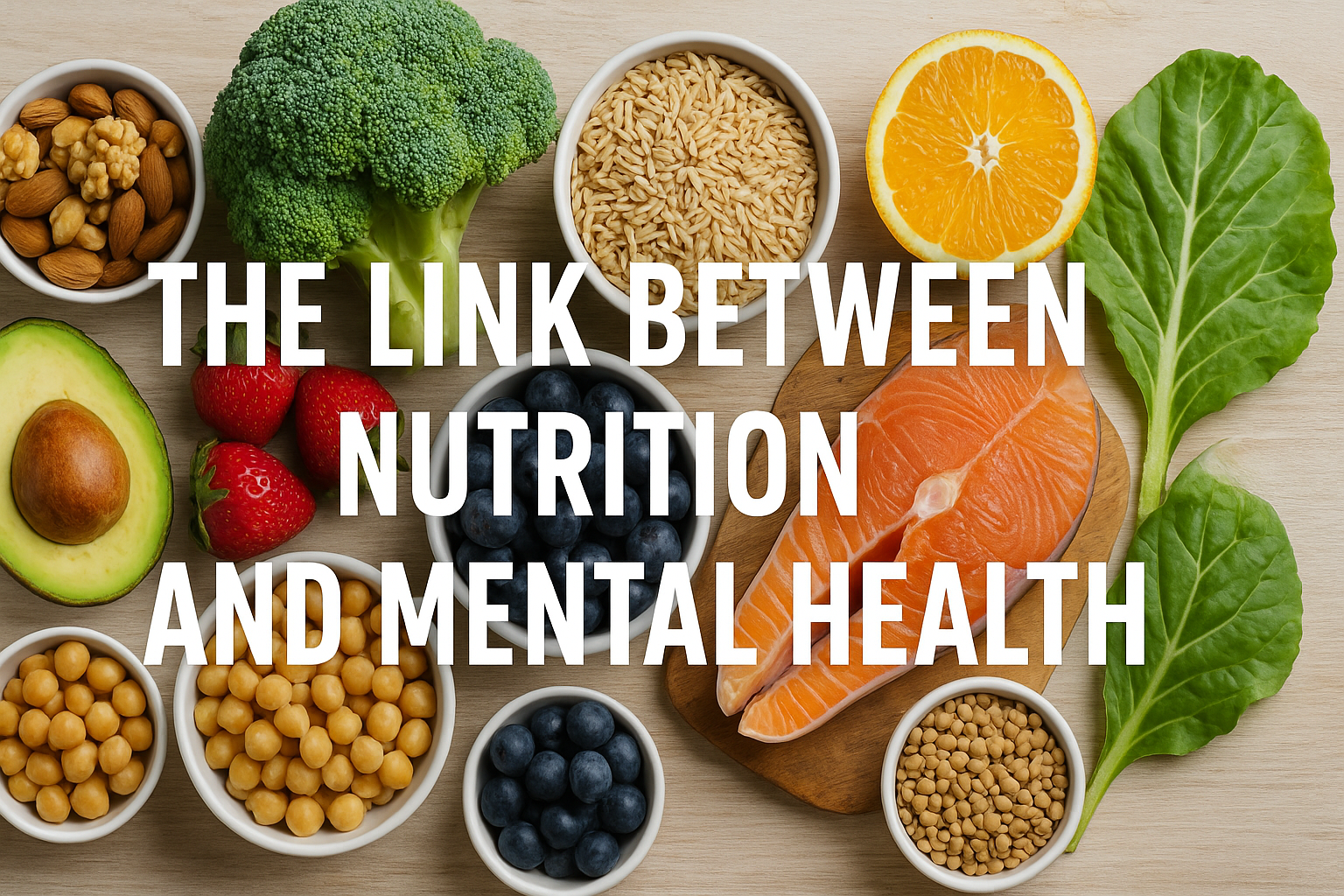
- Base meals on vegetables, fruit, legumes, whole grains, nuts/seeds, moderate fish, poultry, and olive oil; limit processed foods and sugary drinks. Trials-like SMILES suggest structured improvement in this direction can reduce depressive symptoms for some people.
- Include sources of long-chain omega-3s
- Eat fatty fish (salmon, mackerel, sardines) 1–2 times per week or consider an EPA-rich supplement if dietary intake is low and after discussing with a clinician. Evidence supports possible benefits particularly as adjunct therapy for depression in some patients.
- Prioritize micronutrient adequacy
- Ensure sufficient intake of B vitamins (leafy greens, legumes, whole grains), iron (if at risk of deficiency), magnesium (nuts, seeds, whole grains), zinc (legumes, nuts, shellfish), and vitamin D (safe sun exposure, fatty fish, fortified foods; supplement if deficient). Check and correct clinical deficiencies rather than indiscriminate high-dose supplementation.
- Support the gut microbiome
- Eat a variety of fiber-rich plant foods, include fermented foods (yogurt, kefir, tempeh) if tolerated, and avoid unnecessary antibiotics. Dietary diversity and prebiotic fibers support a resilient microbiome linked to better mood regulation in emerging research.
- Limit ultra-processed foods and added sugars
- Reduce intake of packaged snacks, sugary drinks, and highly processed ready meals. Observational and experimental evidence links UPFs to worse mental-health outcomes and metabolic dysregulation.
- Maintain regular meal patterns and stable blood sugar
- Skipping meals or relying on high-sugar snacks can cause glycemic swings that worsen irritability, anxiety, and concentration. Balanced meals with protein, healthy fats, and fiber help stabilize energy and mood.
- Think holistically — sleep, movement, alcohol moderation
- Diet interacts with sleep, physical activity, social connection, and substance use. Attend to these lifestyle domains alongside nutritional changes for the best mental-health outcomes.
Limitations and realistic expectations
Nutrition is an important modifiable factor but not a panacea. Many mental-health conditions arise from complex interactions of genetics, environment, life events, and biology. Dietary changes can produce meaningful improvements for some people (and may reduce symptom severity or improve treatment response), but they are not a guaranteed cure. High-quality randomized trials are growing, but heterogeneity in study design, participant characteristics, nutrient dosages, and outcome measures means effect sizes vary. Always combine nutritional strategies with clinically indicated treatments (therapy, medication) when appropriate, and coordinate with healthcare providers.
Conclusion
A growing body of research supports the idea that diet matters for mental health. Whole-food, nutrient-dense dietary patterns — especially Mediterranean-style diets — better support brain structure, neurotransmitter production, inflammation control, and a healthy gut microbiome, all of which can influence mood and resilience. Reducing ultra-processed foods, ensuring adequate omega-3s and key micronutrients, and adopting consistent, balanced meals are practical steps with real potential to complement mental-health care. As the field of nutritional psychiatry matures, dietary strategies are likely to become an increasingly routine part of comprehensive mental-health plans.
Sources
- Jacka FN et al., A randomised controlled trial of dietary improvement for adults with major depression (SMILES). BMC Medicine / PubMed. BioMed Central+1
- Jacka FN, Nutritional psychiatry: Where to next? (review). PMC. PMC
- Lane MM et al., Ultra-Processed Food Consumption and Mental Health (systematic review & meta-analysis). Nutrients, 2022. MDPI
- Kelaiditis CF et al., Effects of long-chain omega-3 polyunsaturated fatty acids… (systematic review/meta-analysis). 2023. ScienceDirect+1
- Mehta I et al., Gut Microbiota and Mental Health: A Comprehensive Review (2025). PMC. PMC+1
- Bafkar N et al., Efficacy and safety of omega-3 fatty acids supplementation for anxiety and depression (meta-analysis, 2024). PMC. PMC
- Wang R et al., The effect of vitamin D supplementation on primary depressive patients (meta-analyses & reviews). PubMed/Tandfonline (2023–2024). PubMed+1
- Recent evidence and reporting on ultra-processed foods and health (news & trials): The Guardian / Cell Metabolism summaries (2023–2025). The Guardian+1

