
Introduction
In an era where sedentary lifestyles and processed foods dominate daily routines, weight loss has become a common goal for millions worldwide. While diet plays a pivotal role in achieving a calorie deficit—the cornerstone of shedding pounds—exercise and physical activity are indispensable allies in this journey. They not only help burn calories but also enhance metabolic health, preserve muscle mass, and improve overall well-being. This article delves into the multifaceted role of exercise in weight loss, exploring key workout types such as cardio, strength training, and high-intensity interval training (HIIT). We’ll examine their specific effects on fat loss and provide practical guidance on building an effective routine. By understanding these elements, you can craft a sustainable approach that goes beyond mere weight reduction to foster long-term health.
Weight loss fundamentally revolves around energy balance: consuming fewer calories than you expend. Physical activity increases energy expenditure, making it easier to create that deficit without drastically cutting food intake. Beyond calories, exercise influences hormones, appetite regulation, and body composition. For instance, regular movement can reduce visceral fat—the dangerous kind around organs—while boosting mood and energy levels through endorphin release. Studies consistently show that combining exercise with dietary changes yields better results than diet alone, particularly in preventing weight regain. As we explore the types of workouts, keep in mind that consistency, variety, and enjoyment are key to adherence.
The Science Behind Exercise and Weight Loss
To appreciate exercise’s role, it’s essential to grasp how the body responds to physical activity. When you move, your muscles demand energy, primarily from carbohydrates and fats. This process elevates your metabolic rate, the speed at which your body burns calories at rest. A higher metabolism means more efficient fat utilization even during downtime.
Physical activity also impacts insulin sensitivity, helping regulate blood sugar and reducing fat storage. Moreover, it promotes the release of growth hormones and catecholamines, which mobilize fat from stores for energy. However, exercise alone typically leads to modest weight loss—around 5-10% of body weight—unless paired with nutrition. The real magic lies in its ability to shift body composition: losing fat while gaining or preserving muscle. Muscle tissue is metabolically active, burning more calories than fat, so building it amplifies long-term weight management.
Another critical aspect is the “afterburn” effect, or excess post-exercise oxygen consumption (EPOC). After intense sessions, your body continues burning calories to recover, repair tissues, and restore oxygen levels. This can last hours or even a day, depending on intensity. While cardio provides steady calorie burn during the activity, other forms like strength training and HIIT excel in prolonging this effect. Importantly, exercise mitigates the metabolic slowdown that often accompanies dieting, helping maintain weight loss over time.
Individual factors such as age, gender, genetics, and starting fitness level influence outcomes. For example, beginners may see rapid progress due to the “newbie gains” phenomenon, where the body adapts quickly. Women might experience different hormonal responses, but the principles remain universal. Always consult a healthcare provider before starting, especially if you have conditions like joint issues or heart concerns.
Types of Workouts for Weight Loss
Exercise isn’t one-size-fits-all; different types target various aspects of fitness and fat loss. Here, we break down cardio, strength training, and HIIT, highlighting their mechanisms and benefits.
Cardio Exercises
Cardiovascular exercise, or cardio, involves sustained rhythmic activities that elevate heart rate and engage large muscle groups. Common examples include running, cycling, swimming, brisk walking, and using machines like ellipticals or rowers. These activities primarily burn calories through aerobic metabolism, where oxygen helps convert fats and carbs into energy.
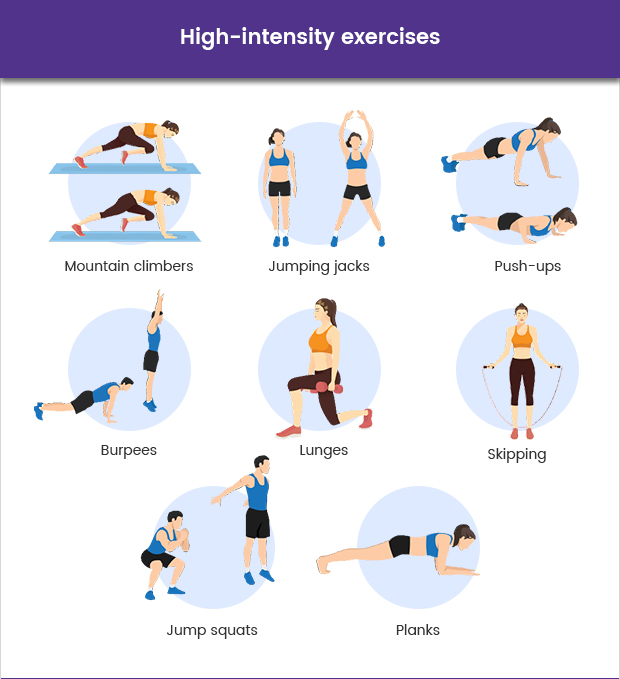
Illustrations of various high-intensity cardio exercises like mountain climbers, jumping jacks, and burpees.
The appeal of cardio lies in its accessibility and direct calorie expenditure. A 30-minute jog can burn 200-400 calories, depending on intensity and body weight. It excels at reducing overall body fat, particularly when performed at moderate intensity for longer durations. Steady-state cardio, like a 45-minute bike ride, taps into fat stores after initial glycogen depletion, making it ideal for endurance building.
However, cardio’s effects on fat loss are nuanced. While it promotes weight reduction, excessive sessions without recovery can lead to muscle loss, slowing metabolism. To optimize, aim for 150-300 minutes of moderate cardio weekly, as recommended by health guidelines. Variations like interval cardio—alternating speeds—can enhance fat burn by incorporating EPOC.

Common cardio exercises including treadmill walking, stationary biking, and rope jumping.
Beyond fat loss, cardio improves cardiovascular health, lowers blood pressure, and boosts lung capacity. It’s particularly effective for beginners, as low-impact options like swimming minimize joint stress. Incorporating cardio into daily life, such as walking to work, amplifies its benefits without structured gym time.
Strength Training
Strength training, also known as resistance or weight training, focuses on building muscle through exercises that challenge muscles against resistance. This can involve free weights, machines, resistance bands, or bodyweight moves like push-ups, squats, lunges, deadlifts, and planks.

Bodyweight strength exercises such as push-ups, lunges, planks, and squats with modifications.
Unlike cardio’s emphasis on endurance, strength training targets anaerobic pathways, leading to muscle hypertrophy and increased strength. Its role in fat loss is indirect but powerful: each pound of muscle burns about 6-10 extra calories daily at rest. Over time, this elevates basal metabolic rate (BMR), facilitating easier weight maintenance.
Research indicates that strength training preserves lean mass during calorie restriction, ensuring weight loss comes primarily from fat. It also induces EPOC, though less than HIIT, and improves bone density, posture, and injury prevention. For fat loss, compound exercises—those working multiple muscles, like squats or rows—are most efficient, burning more calories per session.
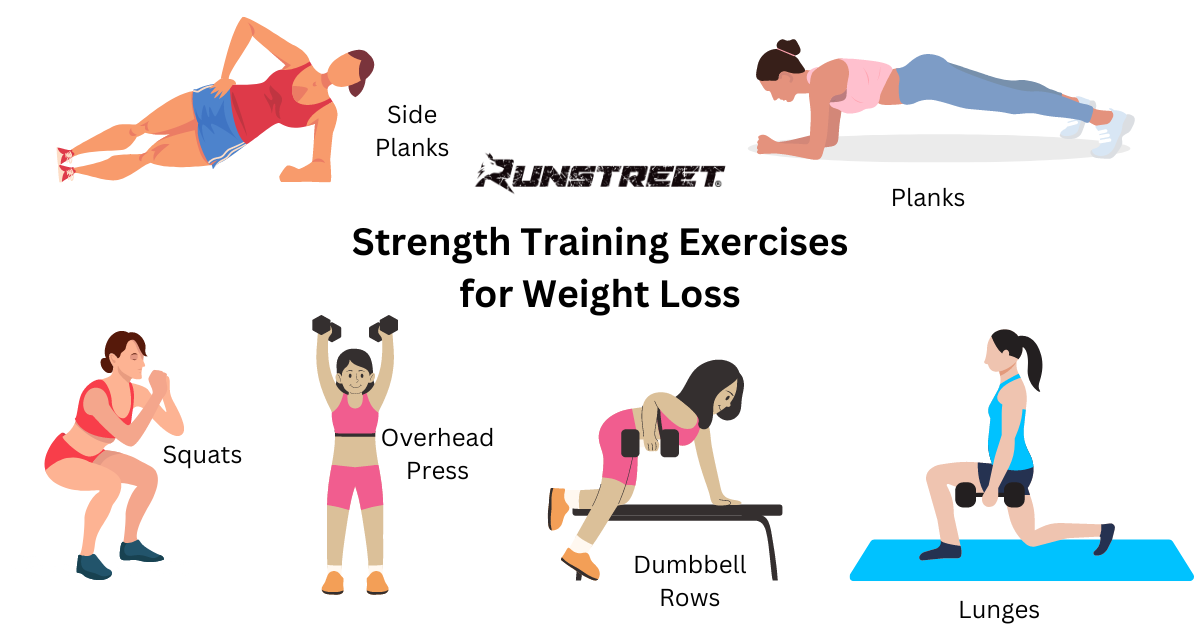
Strength training moves including side planks, squats, overhead presses, dumbbell rows, and lunges.
Begin with 2-3 sessions per week, focusing on full-body routines to maximize efficiency. Progressive overload—increasing weight or reps—ensures continued adaptation. Women often fear bulking up, but without extreme calorie surpluses or hormones, it typically results in a toned physique. Combining strength with cardio yields synergistic effects, as muscle gains enhance cardio performance.
High-Intensity Interval Training (HIIT)
HIIT alternates short bursts of intense effort with recovery periods, maximizing efficiency in shorter sessions. Examples include sprint intervals, circuit training with burpees, mountain climbers, jump squats, and high knees, often lasting 20-30 minutes.
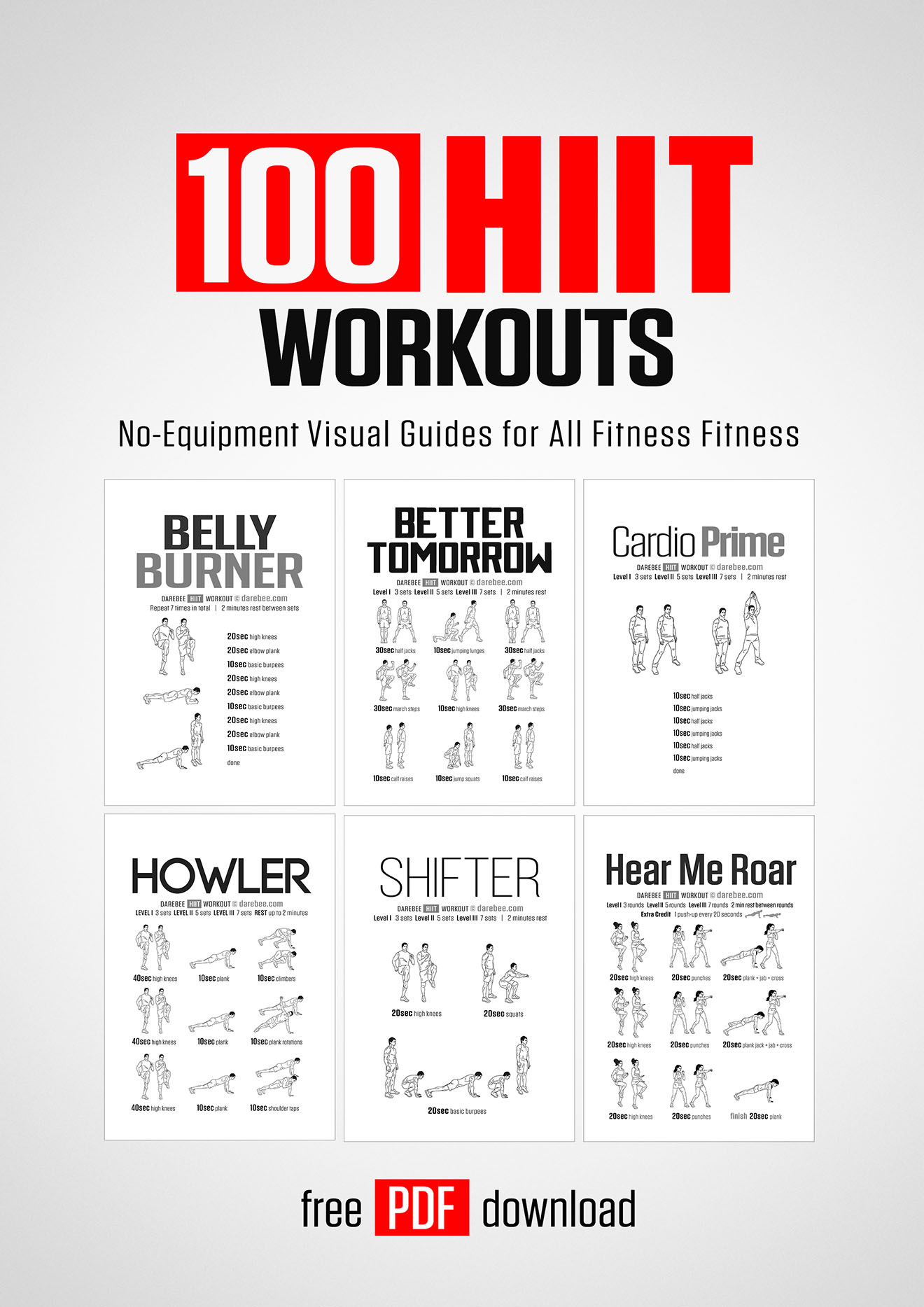
A collection of HIIT workouts with exercises like high knees, burpees, and planks.
HIIT’s superpower is its high EPOC, burning calories long after the workout ends—up to 24 hours. It can torch 25-30% more calories than steady cardio in the same time, making it ideal for busy schedules. By pushing near-max effort, HIIT boosts fat oxidation, especially visceral fat, and improves insulin sensitivity.

Beginner HIIT circuit with jumping jacks, push-ups, knee lifts, planks, and burpees.
Effects on fat loss are superior in some studies, with participants losing more body fat than with moderate exercise. It also builds cardiovascular fitness rapidly and can incorporate strength elements for hybrid benefits. However, HIIT demands recovery; overdoing it risks burnout or injury. Start with 1-2 sessions weekly, gradually increasing.
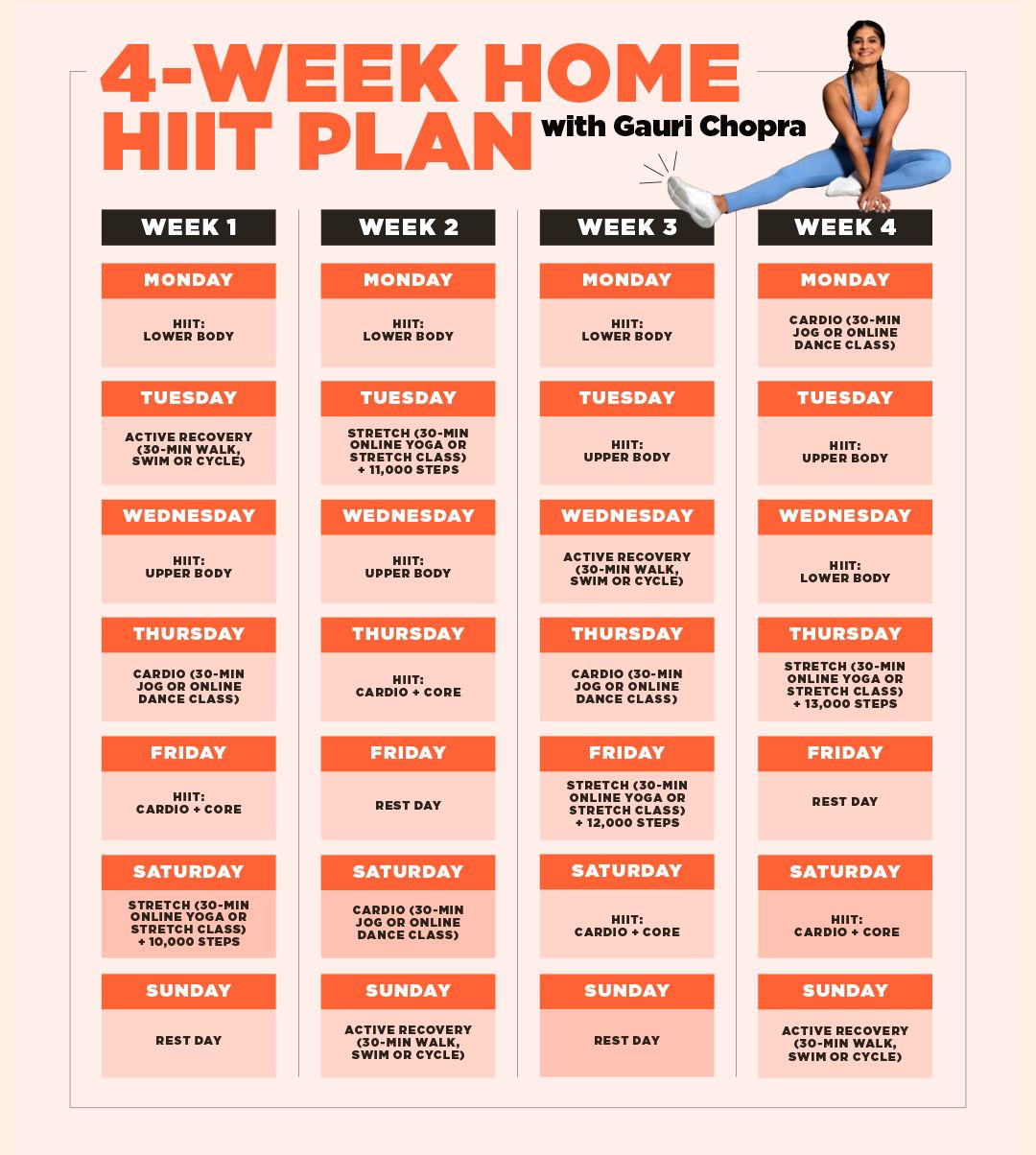
A 4-week HIIT plan incorporating lower body, upper body, cardio, and core days.
Comparative Effects on Fat Loss
Each workout type affects fat loss differently. Cardio excels in immediate calorie burn and is sustainable for longer periods, ideal for steady fat reduction. Strength training shines in long-term metabolic boosts via muscle gain, preventing plateaus. HIIT offers the best time-efficiency and afterburn, accelerating fat loss but requiring more recovery.
Combining them—e.g., cardio for volume, strength for muscle, HIIT for intensity—optimizes results. Evidence suggests this integrated approach leads to greater fat loss than any single type. For instance, HIIT may burn more fat than steady cardio, but strength training ensures the loss isn’t muscle. Factors like duration, intensity, and frequency modulate effects; higher intensity generally yields better fat oxidation.
Building an Effective Routine
Creating a routine starts with assessment: evaluate your fitness level, goals, and schedule. Beginners should aim for 150 minutes of moderate activity weekly, progressing gradually to avoid injury.
Step 1: Set Goals. Define specific, measurable targets, like losing 1-2 pounds weekly or completing three workouts.
Step 2: Choose Activities. Mix types: 2-3 strength days, 2 cardio, 1-2 HIIT. Include rest or active recovery.
Step 3: Structure Sessions. Warm up (5-10 minutes light cardio), main workout, cool down (stretching). For strength, 3 sets of 8-12 reps; cardio 30-60 minutes; HIIT 20-30 seconds work/10-60 rest.
Sample Beginner Routine (4 Weeks):
- Week 1-2: Monday: 30-min brisk walk (cardio). Wednesday: Bodyweight strength (squats, push-ups, planks—3 sets). Friday: 20-min HIIT (jumping jacks, burpees—4 rounds). Rest other days.
- Week 3-4: Add intensity: Tuesday: Strength focus on upper body. Thursday: Longer cardio (45 min). Saturday: HIIT with weights.
Tips for Success: Track progress with apps or journals. Incorporate variety to prevent boredom. Pair with nutrition: aim for a 500-calorie daily deficit. Hydrate, sleep 7-9 hours, and listen to your body—pain signals rest. Common mistakes include skipping warm-ups, neglecting recovery, or ignoring form, leading to injuries. Progress by increasing load or duration every 1-2 weeks.
For advanced users, periodize: alternate focus weeks (e.g., strength-heavy then HIIT). Include flexibility work like yoga to enhance recovery.
Common Challenges and Solutions
Plateaus occur when the body adapts; combat them by varying routines or increasing intensity. Motivation dips? Set rewards or find a buddy. Time constraints? Opt for HIIT or home workouts. Women in menopause may need hormone-adjusted plans, focusing on strength to counter muscle loss.
Injury prevention: Use proper form, start slow, and cross-train. If overweight, begin with low-impact activities.
Conclusion
Exercise is a cornerstone of weight loss, offering benefits far beyond the scale. Cardio builds endurance and burns calories steadily, strength training sculpts muscle for metabolic efficiency, and HIIT delivers quick, potent fat loss. By understanding their effects and building a balanced routine, you can achieve sustainable results. Remember, consistency trumps perfection; integrate movement into life for lasting change. With dedication, exercise transforms not just your body but your health and vitality.
Sources
- https://www.sciencedirect.com/science/article/abs/pii/S1521691804000836
- https://jamanetwork.com/journals/jamanetworkopen/fullarticle/2828487
- https://pubmed.ncbi.nlm.nih.gov/17581621/
- https://www.nature.com/articles/s41366-022-01247-4
- https://www.sciencedirect.com/science/article/pii/S0022316622150200
- https://www.cdc.gov/healthy-weight-growth/physical-activity/index.html
- https://theconversation.com/the-exercise-paradox-why-workouts-arent-great-for-weight-loss-but-useful-for-maintaining-a-healthy-body-weight-266715
- https://www.mayoclinic.org/healthy-lifestyle/weight-loss/in-depth/exercise/art-20050999
- https://bjsm.bmj.com/content/56/13/771
- https://www.webmd.com/fitness-exercise/ss/slideshow-exercises-weightloss
- https://samsungfood.com/blog/exercising-to-burn-body-fat-hiit-vs-strength-vs-cardio/
- https://www.menshealth.com/fitness/a25424850/best-hiit-exercises-workout/
- https://www.youtube.com/watch?v=LPaFN6uYv0c
- https://fitbod.me/blog/cardio-workouts-for-fat-loss/
- https://www.healthline.com/nutrition/benefits-of-hiit
- https://www.health.com/most-effective-workout-for-weight-loss-11750950
- https://www.verywellfit.com/cardio-and-weight-training-and-fat-loss-3498325
- https://health.ucdavis.edu/blog/cultivating-health/high-intensity-workouts-can-help-you-get-fit-fast-but-preparation-is-key/2022/09
- http://www.webmd.com/fitness-exercise/ss/slideshow-exercises-weightloss
- https://www.healthline.com/health/fitness/4-week-workout-plan-for-weight-loss
- https://www.mayoclinic.org/healthy-lifestyle/weight-loss/in-depth/exercise/art-20050999
- https://www.crunch.com/thehub/the-best-gym-routine-for-weight-loss-a-practical-guide-for-all-levels/
- https://www.hackensackmeridianhealth.org/en/healthu/2025/05/01/6-exercises-to-keep-the-weight-off-your-guide-to-maintaining-weight-loss
- https://www.muscleandstrength.com/workouts/beginner-fat-loss-workout
- https://www.planetfitness.com/blog/articles/healthy-weight-loss-exercise
- https://www.mayoclinic.org/healthy-lifestyle/fitness/in-depth/fitness/art-20048269
- https://www.onepeloton.com/blog/build-a-fitness-routine
- https://www.healthexpress.co.uk/cardio-exercises-for-weight-loss
- https://multifit.in/blog/advanced-high-intensity-cardio-exercises-for-fat-loss
- https://www.acko.com/health-insurance/health-guides/cardio-exercises-for-weight-loss/
- https://www.issaonline.com/blog/post/strength-training-for-fitness-and-weight-loss
- https://www.runstreet.com/blog/strength-training-for-weight-loss
- https://www.popsugar.com/fitness/best-exercises-fat-loss-44918874
- https://darebee.com/100-hiit-workouts.html
- https://moveon89.com/hiit-for-beginners-a-comprehensive-guide-on-getting-started/
- https://www.womenshealthmag.com/uk/fitness/workouts/a35035417/hiit-plan/